Garfield Park A Village Going Forward

Planning Focus Area Facilitators














Public officials
Building Shared Purpose: Collaborating for Garfield Park’s Future
Garfield Park is a community deeply rooted in knowing ourselves.
We know our history, what harms us, our brilliance, and our power. We know what has been taken—and what has been preserved through generations of care, creativity, and resistance. Today, Garfield Park is moving forward with strength. We aren’t asking for permission to do well—we are setting the rules for how our community grows and succeeds.
The Quality-of-Life Plan (QLP) is our community’s collective voice made visible. It is not aspirational rhetoric or a one-time planning exercise. It is our promise to each other—written by residents, youth, and elders—that our future will be built on pride, looking out for one another, and taking the lead ourselves.
The urgency of this moment is clear.
For decades, our community has endured systemic disinvestment while remaining rich in assets: a central location on Chicago’s West Side, historic boulevards, legacy institutions, deep social networks, and a vibrant ecosystem of organizers and residents committed to one another. What has been missing is not vision, but alignment—between community priorities and public, private, and philanthropic investment.
The QLP exists to close that gap.
It aligns the lived experiences of residents with concrete strategies for equitable development, public health, safety, housing stability, economic mobility, and cultural preservation. It recognizes that revitalization without our residents is not renewal—it is displacement. As such, this plan centers ownership, legacy protection, and pathways for long-term stability so that growth strengthens the people who already call Garfield Park home.
We aren't just letting change happen to us. We are the ones building our future.
By organizing the QLP around our shared priorities—youth leadership, safety, housing, arts and culture, economic development, and wellness—the plan serves as both a roadmap and a call to action. It connects historical harm to future possibility and invites partners, funders, and policymakers to invest in a vision that is already in motion.
This is Garfield Park asserting its right to shape what comes next.
Garfield Park: A Legacy of Resilience and Renewal
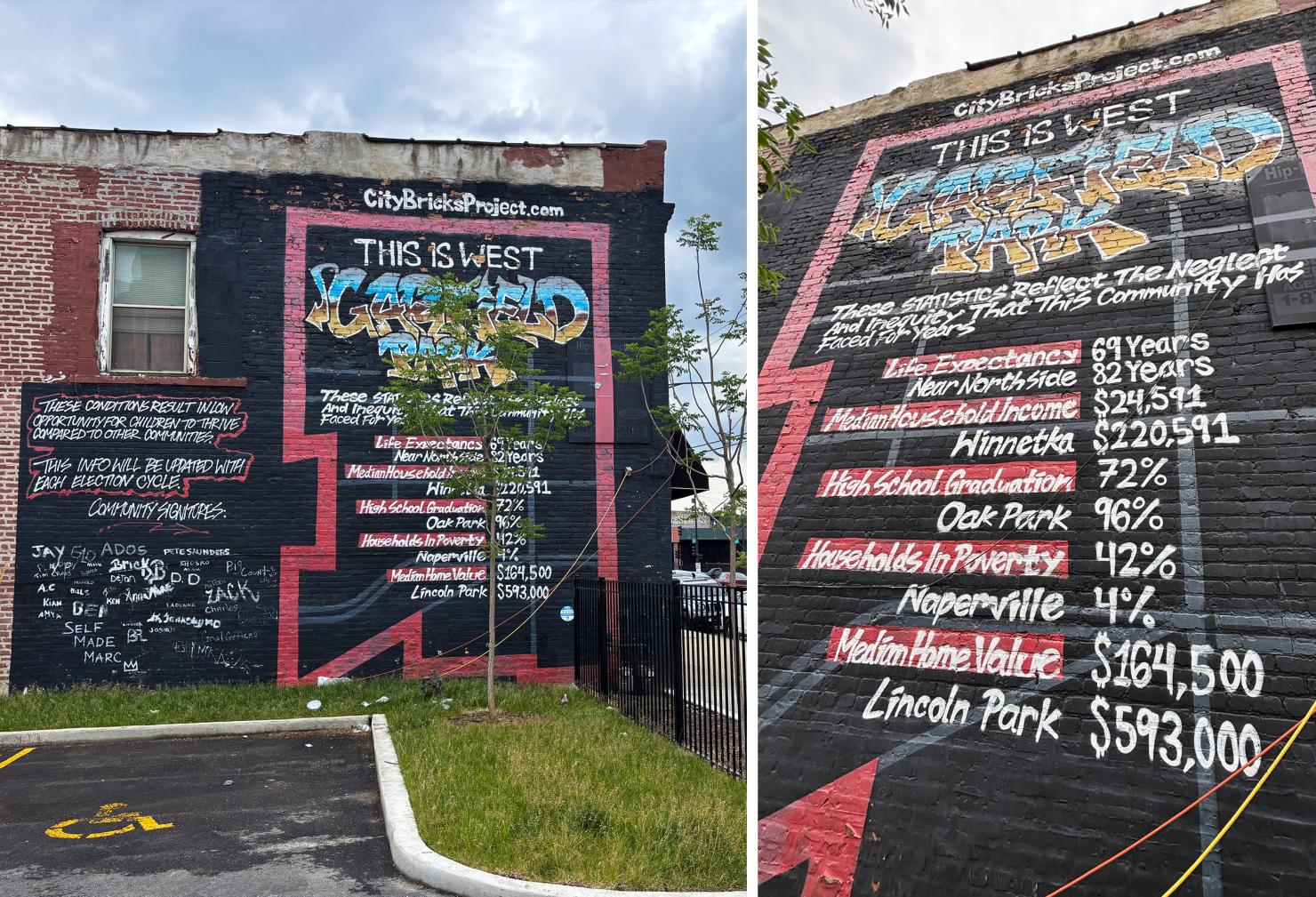
Garfield Park’s story is a huge part of Chicago’s history. It’s a story of surviving hard times and racism, but always finding ways to create beauty and keep going. In 1920, the neighborhood had about 56,000 residents of varied descent, including Irish people, Germans, Russian Jews, and Italians. By 1960, the work of the Great Migration allowed Black residents to eventually make up 62% of the population. Two major events changed Garfield Park and led to the hard times we’ve faced with jobs and local resources. Since the 1930s, East and West Garfield Park have lost about 66% of their total population, having one of the lowest population densities in the city.
At the heart of the neighborhood sits the 184-acre Garfield Park itself, originally designed in the late 19th century as part of Chicago’s West Side park system. Anchoring that space is the Garfield Park Conservatory, one of the largest greenhouse conservatories in the United States and a nationally recognized cultural landmark. For generations, the park and conservatory have served not only as physical assets but as symbols of refuge, creativity, and continuity.
Today, East and West Garfield Park together are home to just over 37,000 residents connected by the park, by shared history, and by transit access that places the neighborhood minutes from downtown, the Illinois Medical District, and the broader region. Yet proximity has never guaranteed prosperity.
Garfield Park’s decline was not accidental.
The construction of the Eisenhower Expressway in the 1950s displaced families and fractured the neighborhood. The uprisings following the assassination of Dr. Martin Luther King Jr. in 1968 devastated Madison Street’s commercial corridor. Redlining, disinvestment, industrial flight, and policy neglect followed—stripping wealth, shrinking population, and leaving vacant land in the place of opportunity.
But that is not the whole story.
Even when businesses closed and the population shifted, we stayed. Our churches and schools adapted, new leaders rose from our blocks, and our commitment to one another only grew deeper.
Today, Garfield Park stands in a moment of renewed attention and rising pressure. Property values are increasing. Major investments are underway. New residents are arriving. Without intentional action, these shifts could repeat old patterns of exclusion. With community leadership, they become opportunities to repair harm and build stability.
Organizations across East and West Garfield Park are already doing this work: coordinating health initiatives, supporting affordable housing, reducing violence through public health approaches, activating block clubs, and anchoring investment through projects such as the Sankofa Wellness Village. These efforts are not isolated; they are interconnected strands of a broader movement toward self-determination.
The question is no longer whether Garfield Park will change.
The question is whether that change will be led by the people who have carried this community through every chapter of its history.
The Quality-of-Life Plan clearly answers that question.
Renewal in Motion: Charting Garfield Park’s Future
Garfield Park’s renewal is not theoretical—it is already underway.
Across East and West Garfield Park, our residents, organizations, and institutions are actively shaping a future grounded in health, equity, and opportunity. What distinguishes this moment is not simply the scale of investment, but the growing alignment between community vision and collective action.
Since 2005, the Garfield Park Conservatory Alliance has helped lead a sustained Quality-of-Life planning effort in East Garfield Park in partnership with Local Initiatives Support Corporation (LISC) Chicago. That work has resulted in more than 60 locally driven projects, supported by over 50 partner organizations and more than $50 million in coordinated community investment. These efforts laid critical groundwork for what is now emerging across the broader Garfield Park community.
In West Garfield Park, partners have mobilized around urgent disparities—particularly the life expectancy gap—recognizing that health, safety, and economic stability are inseparable. Since 2019, this shared focus has accelerated coordination, reduced silos, and strengthened collective capacity. Philanthropic partners, including the Pritzker-Pucker Foundation, have invested in infrastructure designed for long-term impact rather than short-term intervention.
In 2022, the Garfield Park Rite to Wellness Collaborative (GPRWC) was selected by United Way’s Neighborhood Network to serve as the community’s “quarterback,” supporting coordination, accountability, and shared leadership across initiatives. This role reflects a clear commitment to resident-centered planning and sustained collaboration.
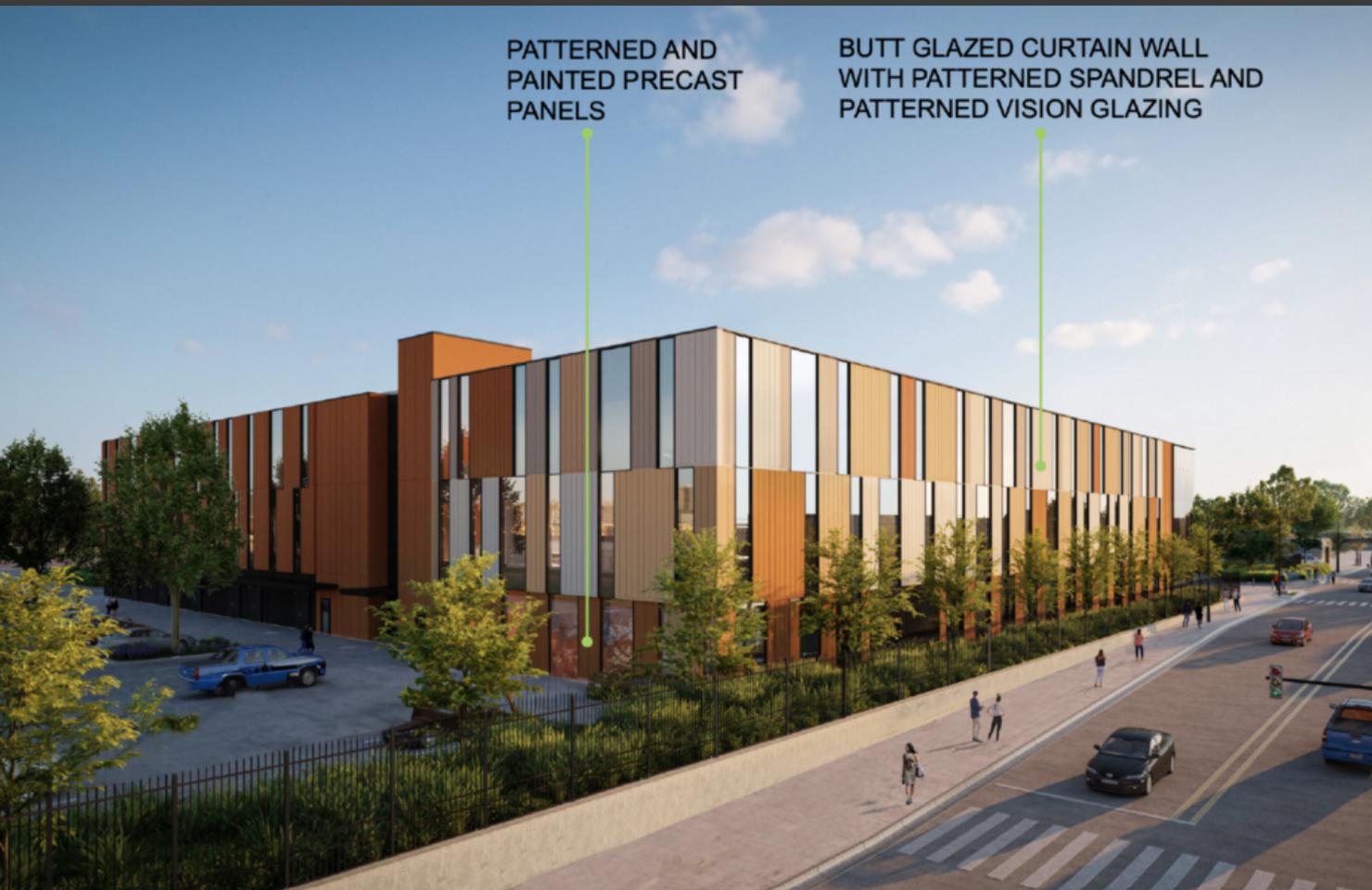
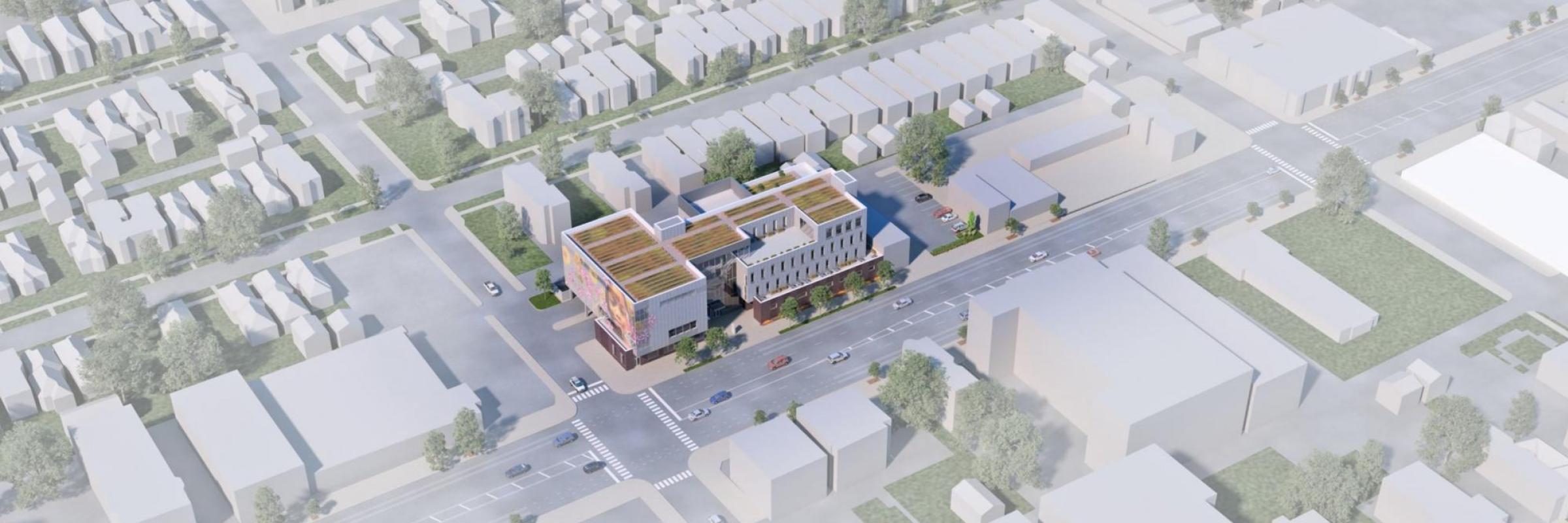
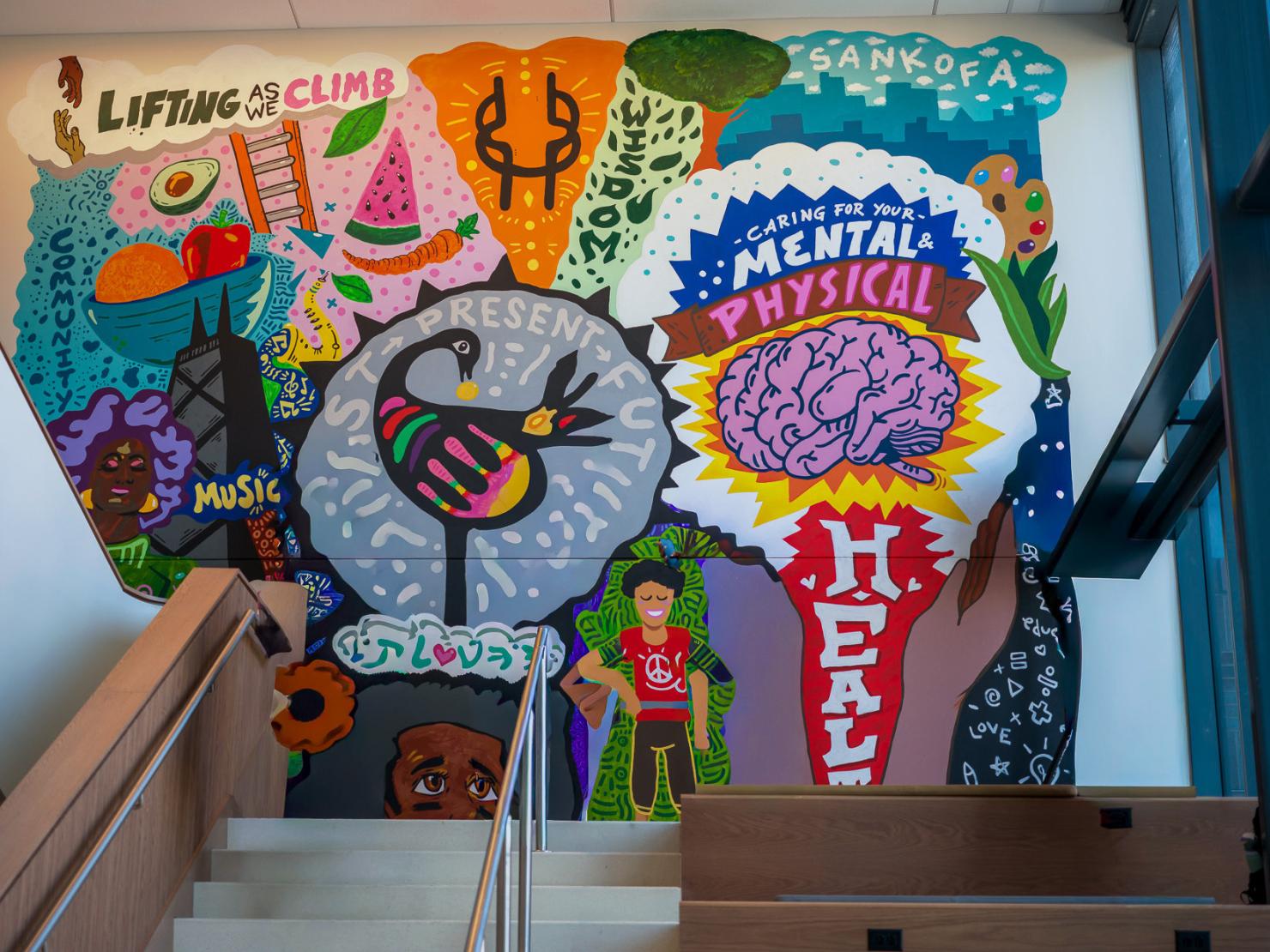
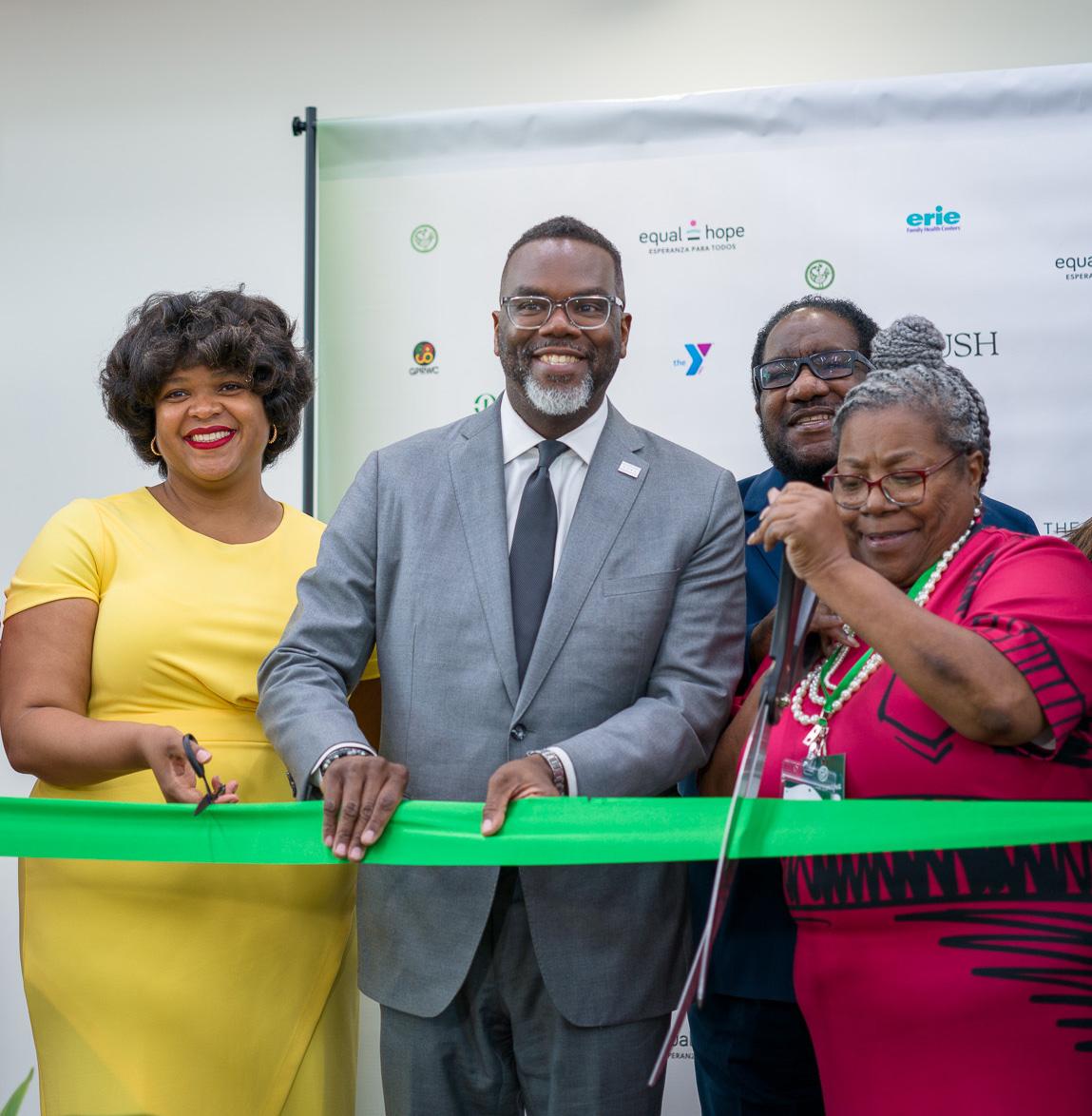
One of the most transformative investments underway is the Sankofa Wellness Village. Breaking ground in September 2024, the development includes a 60,000-square-foot Wellness Center scheduled for completion in 2026. This $50 million project—supported by the Chicago Prize from the Pritzker Traubert Foundation—will integrate healthcare, wellness programming, and childcare in a single, accessible hub. Anchor partners include Erie Family Health Centers, Rush University System for Health, the YMCA of Metropolitan Chicago, and West Side United. Together, they represent a new model of place-based investment that brings essential services closer to home.
Housing and commercial revitalization efforts further reflect this momentum. The C40 Garfield Green Development, led by Preservation of Affordable Housing (POAH), is transforming City-owned land at 5th & Kedzie into 80 mixed-income rental units prioritizing legacy residents, alongside neighborhood-serving retail space. The Building a Better Kedzie initiative is activating the Kedzie Avenue corridor through business development, safety improvements, and public realm enhancements.
Public safety efforts are similarly evolving through comprehensive, community-driven approaches. Organizations across Garfield Park address violence as a public health issue—focusing on prevention, behavioral health, housing stability, and economic opportunity. Through street outreach, conflict mediation, victim advocacy, and trauma-informed case management, these initiatives are producing measurable reductions in violence while strengthening trust and resilience.
Grassroots leadership remains central to this transformation. Block clubs and neighborhood associations are reactivating local stewardship, fostering stronger connections among neighbors, and reinforcing a culture of collective responsibility.
This work is reinforced by growing alignment with civic leadership. Police District Council 011, along with aldermanic offices across the 24th, 26th, 27th, 28th, 29th, and 37th Wards, have demonstrated support for community-led initiatives through participation in peace efforts, support for affordable housing, and advocacy for neighborhood investment. When institutional leadership aligns with grassroots vision, the result is not symbolic partnership—it is meaningful progress.
Garfield Park’s renewal is not being imposed from the outside. It is being built from within.
Ages of Garfield Park Residents
| Age Cohort | West Garfield Park % | East Garfield Park % | Combined Average % |
|---|---|---|---|
| Under 5 | 4.7% | 6.6% | 5.7% |
| 5 to 19 | 23.4% | 23.0% | 23.2% |
| 20 to 34 | 20.8% | 22.6% | 21.7% |
| 35 to 49 | 17.3% | 21.3% | 19.3% |
| 50 to 64 | 19.4% | 15.9% | 17.7% |
| 65 to 74 | 8.2% | 6.7% | 7.5% |
| 75 to 84 | 4.8% | 3.0% | 3.9% |
| 85+ | 1.4% | 1.0% | 1.2% |
| Median Age | 36.0 | 33.2 | 34.6 |
CMAP East & West Garfield Park Community Data Snapshot Chicago Community Area Series July 2025 Release
Our Community Vision & Goals
Garfield Park envisions a unified, self-sustaining community rooted in shared values, resident excellence, and collective purpose—where every voice matters, resources are shared equitably, gatekeepers are accountable, and development honors legacy while building opportunity for future generations.
This vision reflects a community that is organized, informed, and aligned across East and West Garfield Park. It is a commitment to protecting existing residents while creating pathways for growth, stability, and prosperity that are led by those who live here.
Our goals are grounded in action:
- Activate block clubs, expand safe spaces, protect existing residents, and address open-air drug markets.
- Empower residents through education, innovation, and career pathways anchored in community partnerships.
- Support families with holistic resources and walkable access to essential neighborhood services.
- Promote homeownership, preserve Garfield Park legacy, and revitalize historic structures and green spaces.
- Build a self-sustaining village with gardens, wellness hubs, and accessible neighborhood amenities.
- Strengthen resident owned businesses and create diverse, community-serving economic opportunities.
- Create vibrant spaces for arts, music, sports, and cultural celebration across generations.
- Expand employment opportunities, improve parks and transit access, and ensure safe environments for youth.
- Use technology and art to connect, inspire, and amplify Garfield Park’s creative identity.
Garfield Park is a community that knows its worth—and is acting accordingly.
East and West Garfield Park are aligned not only in vision, but in practice. Information is shared across platforms. Resources are coordinated intentionally. Leadership is accountable to the people it serves. This is not informal collaboration—it is deliberate commitment.
Participation in Garfield Park’s growth is rooted in respect, transparency, and shared responsibility. Development must come through the community, not around it. Community benefits agreements (CBA), shared decision-making, and resident-led oversight ensure that investment uplifts rather than uproots.
We are investing in ourselves—through education, wellness, housing, and economic opportunity. Block clubs are active. Gardens are growing. Youth are leading. Elders are guiding. Families are reclaiming safety and pride.
Garfield Park is not waiting to be saved.
We are building what comes next—together.
Strategic Corridors Driving Garfield Park’s Growth
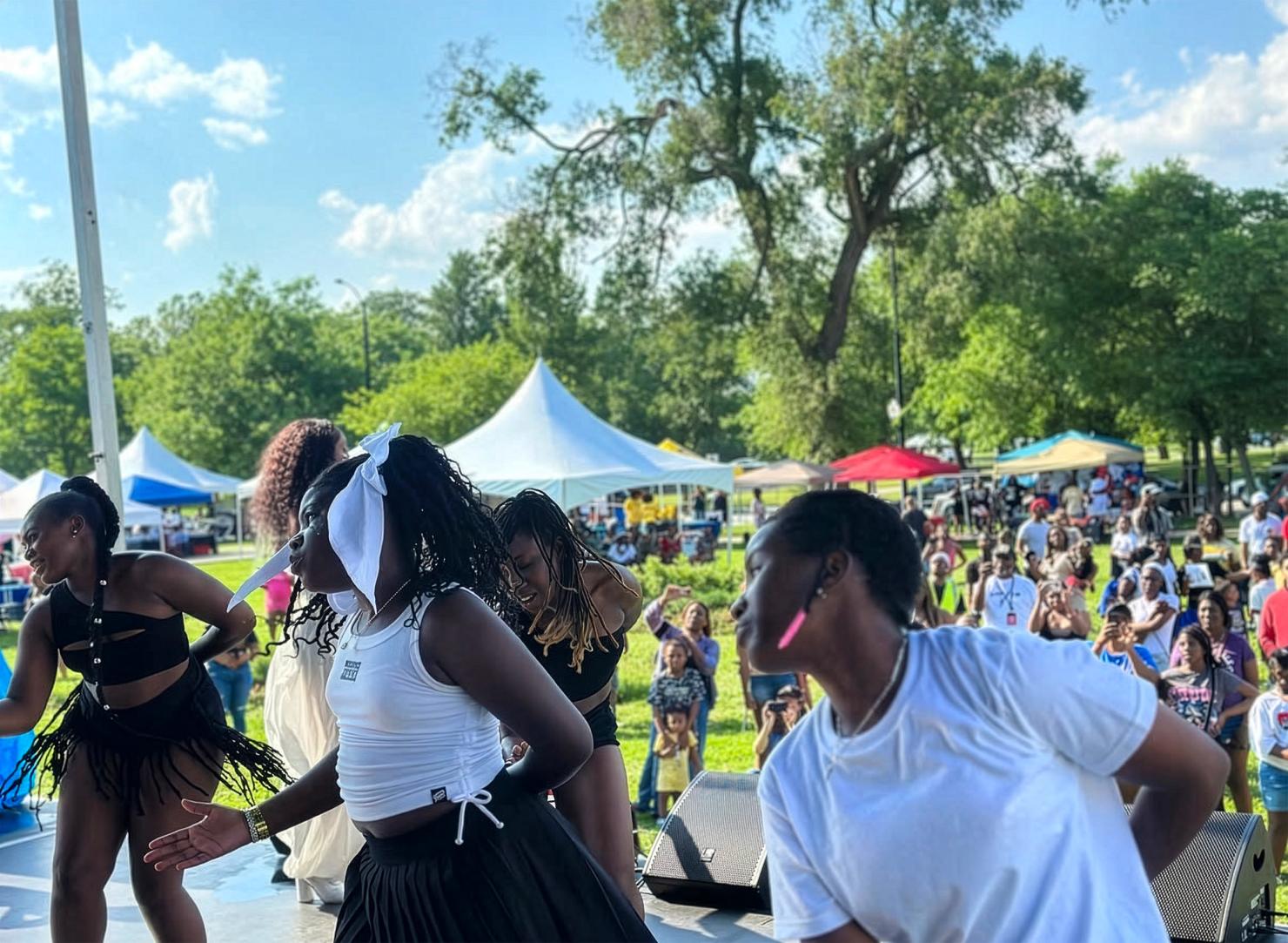
Garfield Park’s corridors—Madison, Pulaski, Lake, Washington, and Jackson—are more than transportation routes. They are cultural lifelines shaped by West Side history, community resilience, and long-standing economic potential. These streets have carried the daily rhythms of life, commerce, and creativity, serving as connectors between people, institutions, and opportunity.
Madison Street once stood as a thriving commercial and entertainment corridor, home to jazz clubs, theaters, and resident-owned businesses that anchored neighborhood pride and prosperity. Pulaski Road continues to link residents to vital civic and cultural assets, including the Legler Regional Library and the emerging Sankofa Wellness Village—both symbols of renewal, care, and community investment.
These corridors also reflect the weight of systemic disinvestment. The 1965 uprising following the death of Dessie Mae Williams and the unrest after the assassination of Dr. Martin Luther King Jr. in 1968 marked turning points that devastated commercial activity along key corridors. Many businesses never returned. Today, vacant lots and shuttered storefronts—particularly near transit stations—stand as visible reminders of neglect and missed opportunity.
Garfield Park remains one of Chicago’s most transit-connected communities. The neighborhood is served by the CTA Green and Blue Lines, multiple bus routes, including the 20 and 82, and nearby Metra access. Residents rely heavily on public transit to reach jobs, schools, healthcare, and services across the city. Yet despite this connectivity, Garfield Park has some of the highest concentrations of vacant land near transit in Chicago, especially within a half-mile of stations such as Kedzie–Green and Pulaski–Lake. These underutilized spaces currently limit walkability, safety, and access to amenities—but they also represent one of the neighborhood’s greatest opportunities.
Through Chicago’s Equitable Transit-Oriented Development (ETOD) framework and the Connected Communities Ordinance, Garfield Park is positioned to transform these areas into vibrant, inclusive hubs. ETOD strategies prioritize affordable housing, mixed-use development, and pedestrian-centered design near transit, ensuring residents benefit from investment without displacement. These policies also support small business growth, public art, improved safety, and active streetscapes.
Revitalizing Garfield Park’s corridors means reclaiming the narrative. With intentional ETOD implementation, youth-led cultural programming, and investment in locally owned enterprises, these streets can once again become places of gathering, commerce, and storytelling. We see Madison returning to its roots as a vibrant cultural walk, Pulaski becoming our center for health and learning, and Lake Street serving as a gateway to new opportunities for us all.
Together, these boulevards can symbolize a united Garfield Park—where history is honored, culture is celebrated, and community thrives. By centering resident voices, leadership, and collective vision, Garfield Park can transform its corridors from relics of neglect into monuments of dignity, legacy, and joy. This is not simply revitalization; it is restoration.
Friends of Garfield Park
Garfield Park Advisory Council
Westside Block Club Association
Westside Cultural Alliance
Westside Culture Arts Council
Lagoon
Sandifers Chicago West Community Music Center
13.1 half Marathon
Chicago West Community Music Center
Earth Day
Kwanzaa Celebration
Legler Regional Library
Providence St. Mel School
Bethel Lutheran Church
Allies for Community Business
Garfield Park Neighborhood Market
The Hatchery
Neighborhood Markets pop up
Breakthrough Violence Prevention Center
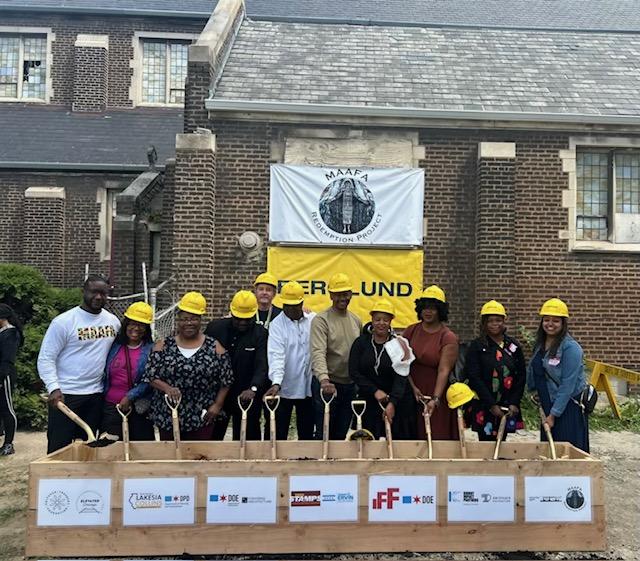
MAAFA Redemption Project
4400 Maypole Block Club Garden
George W. Tilton Elementary
The C.A.R.E Center
Divine Purpose Youth Performing Arts Center
Guyon Hotel
Off the Street Club (Boys & Girls Club)
NO SMALL PLANS
JLM Abundant Life Center
Firebird Community Arts Center
The Heart & Craft Corridor (Marine Tempels Black, Firebird Community Arts)
The Anchorage
Taproots, Inc.
Fred Hampton Mural
Heritage Woods of Chicago
St Joseph Baptist Church
Kuumba Tre-ahm Community Garden
Bobby E. Wright Drop‑in Center
Above and Beyond
Dr. MLK Jr. Boys & Girls Club
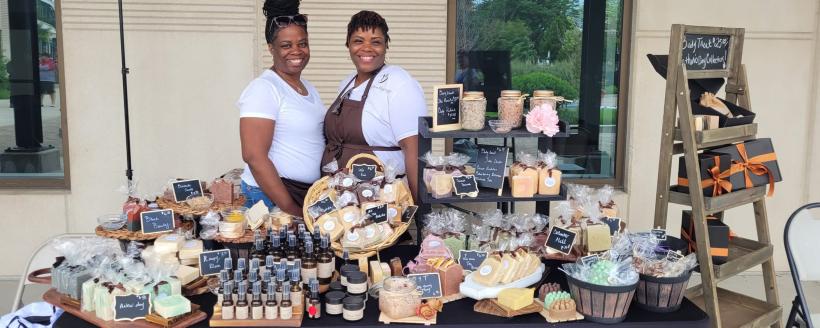
Earth’s Remedies
Garfield Park Conservatory
5th Avenue Orchard
Thresholds Karlov House
The Encompassing Center
LEARN Herro Family Campus
Tilton Park Playlot
New Greater St. John CMB Church
Dollar Tree
Jacob Beidler Elementary
Fifth City Commons Mural
Marshall YMCA
Breakthrough FamilyPlex
Youth Guidance
Marshall High School Student Outreach and Re-Engagement (SOAR) Centers
Michael Faraday Elementary
Old West Side Women’s Shelter
Breakthrough Women's Center
Breakthrough Fresh Market Pantry
St Louis Park
Revolution Workshop
345 Art Gallery
Inspiration Kitchens
Roscoe Company Uniform Services
Al Raby School for Community & Environment
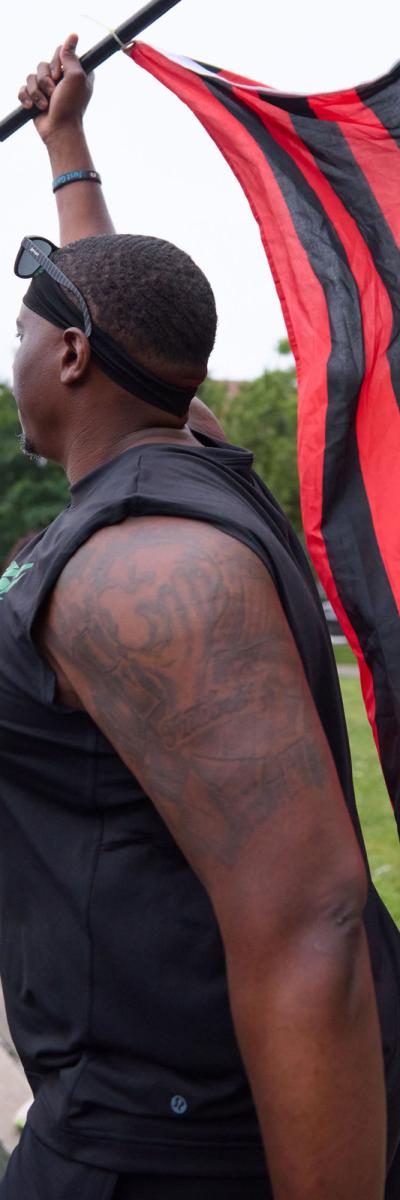
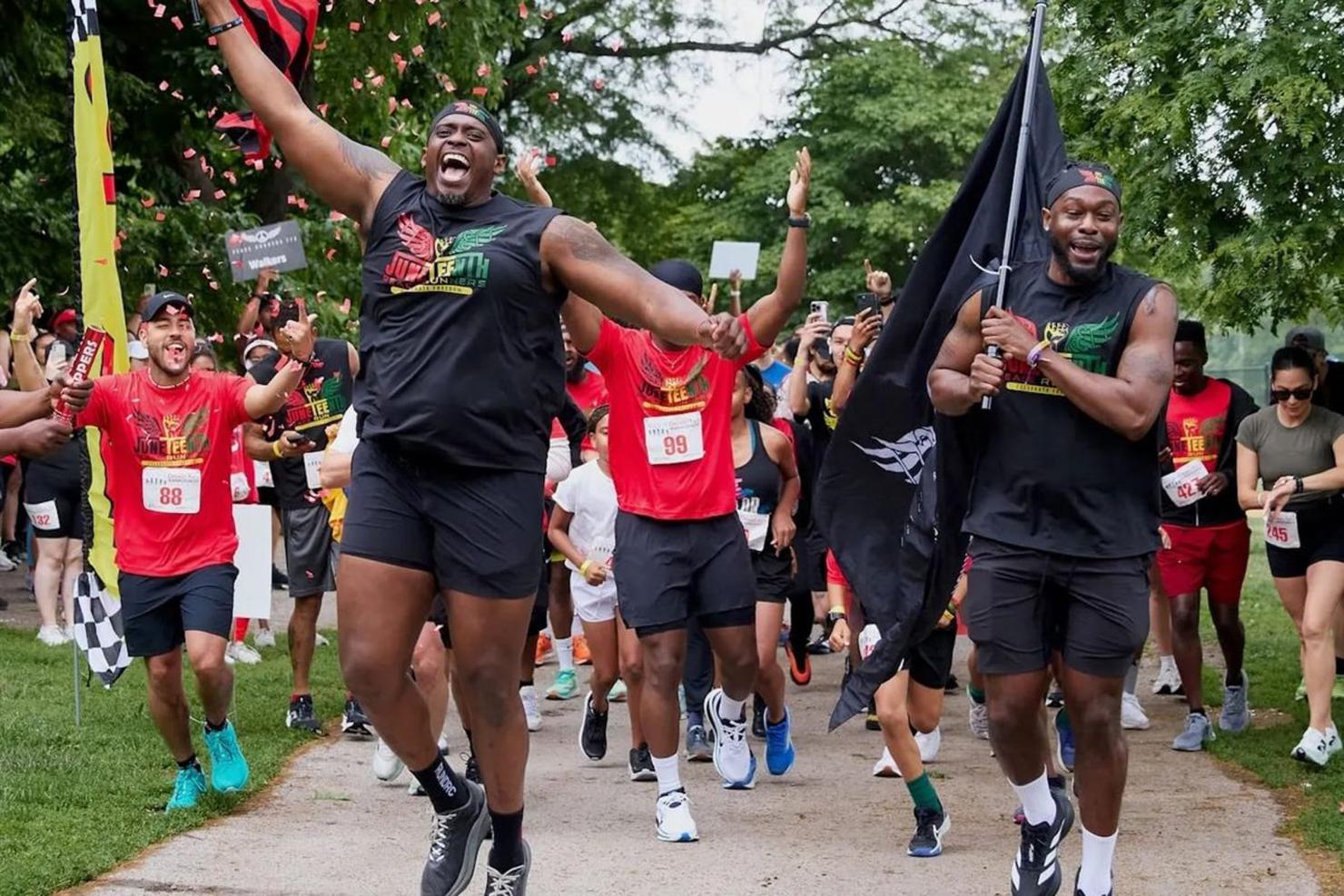
Peace Runners
People's Church of the Harvest
Leif Ericson Scholastic Academy
UCAN Garfield Park
Irene McCoy Gaines Apartments
Walgreens
Greencastle of Garfield
3800 Fillmore Block Club Garden of Hope
Wiley’s Chicken & Ribs
Springfield Food Mart
Nail Zone
DTLR
Fannie Emanuel Apartments
Harris Ice House Sculptures
Genevieve Melody STEM Elementary
Tops & Bottoms
Guyon Hotel
Jerk Taco Man
Madison & Pulaski Skate Park
Chicago Tool Library
Breakthrough Men's Center
Levelz Style Lounge
Webster Elementary School
West Side Forward
41K(K-Town) Block Club
St. Michael Missionary Baptist Church
Tastebuds
Family Dollar
Bobby E. Wright Triage & Wellness Center
Habilitative Systems Inc
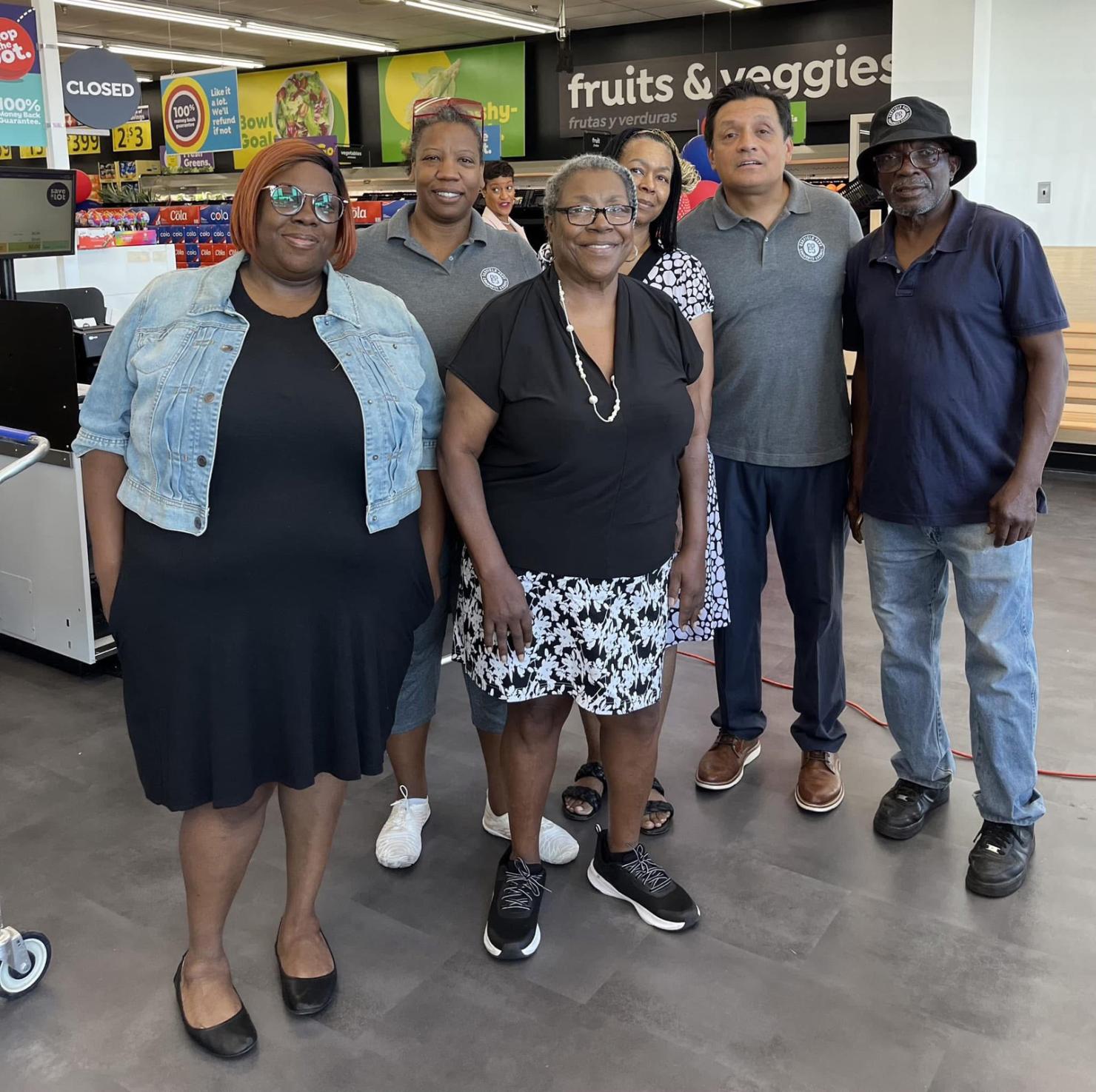
Save A Lot
Boxing Off the Block
Street Priest
Garfield Park Chamber of Commerce
Urban Beautique
Jardin Esperanza de La Villita
Brooks Brothers Furniture & Appliances
New Macedonia Missionary Baptist Church
Legal Prep
Purcell Hall
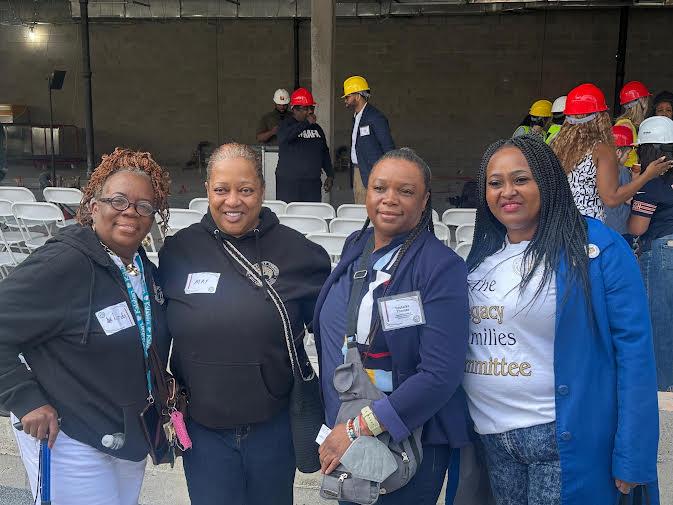
Legacy Families
New Mount Pilgrim Missionary Baptist Church
Sankofa Village Wellness Center
Garfield Park Rite to Wellness Collaborative
Legal Prep Charter Academy
Santa Room
Charles Sumner Math & Science Community Academy
Bethel Pace Center Apartments
Sumner Park
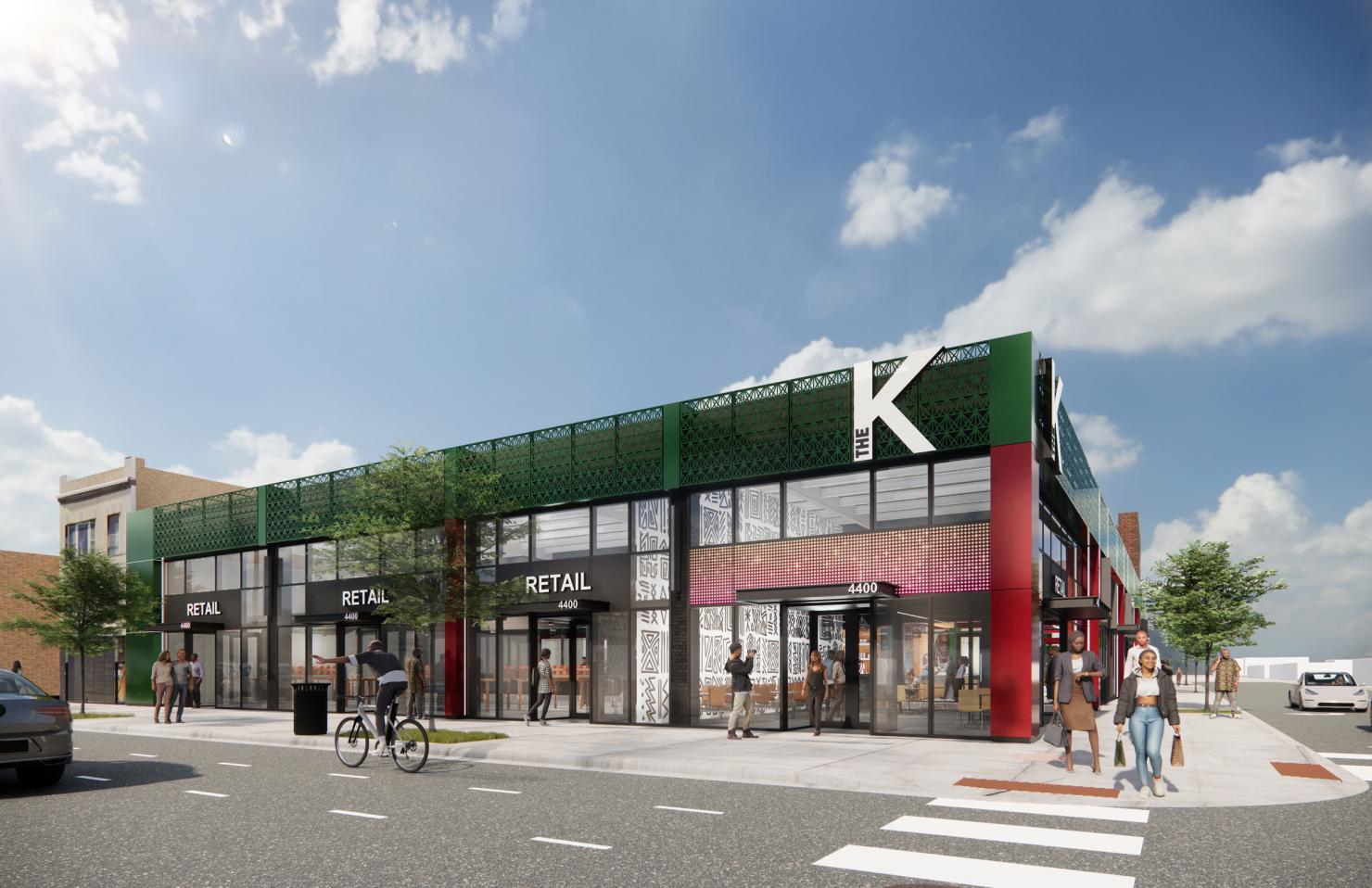
The K Entrepreneurship Development Hub
Institute for Nonviolence
Out of The Past Records
Fulton Flower and Vegetable Garden
Greencorps Chicago
POP Grove
Good Neighbor Campaign
Fathers Who Care
United for Better Living
West Side Learning Center – Malcolm X
Chicago Recovering Communities Coalition
St. Joseph (St. Joseph the Betrothed Catholic Church)
Greater West Town Project
Westside Rising
Unity Garden
Garfield Park Hospital
Boxing Out Negativity
Graphic Packaging International
Chicago Area Project
Garfield Community Service Center
Erie Family Health Center (SVWC)
YMCA (SVWC)
New Landmark Missionary Baptist
A & J Food Mart
Safer Foundation
Garfield Park Conservatory Alliance
Juneteeth Parade
1865 Fest
Garfield Park Community Council
Rush Center for Community Wellbeing (SVWC)
Arts, Media & Technology
Arts, Media & Technology Goal:
The residents of Garfield Park agree that our neighborhood is alive with creativity and culture. We will use technology to strengthen our connections and share resources more effectively. At the same time, we will continue to use the arts to heal and inspire, celebrating the families who have built and continue to shape Garfield Park. We are embracing modern tools to better tell our stories and keep our community connected, using technology to uplift and inspire every generation in our neighborhood.
Planned Measures of Success:
- Increase attendance at community cultural events
- Increase digital participation rates across platforms and campaigns
- Increase representation of diverse voices in community storytelling
- Increase number of intergenerational art and tech programs offered
- Increase partnerships with schools, churches, and businesses to amplify the West Side’s narrative
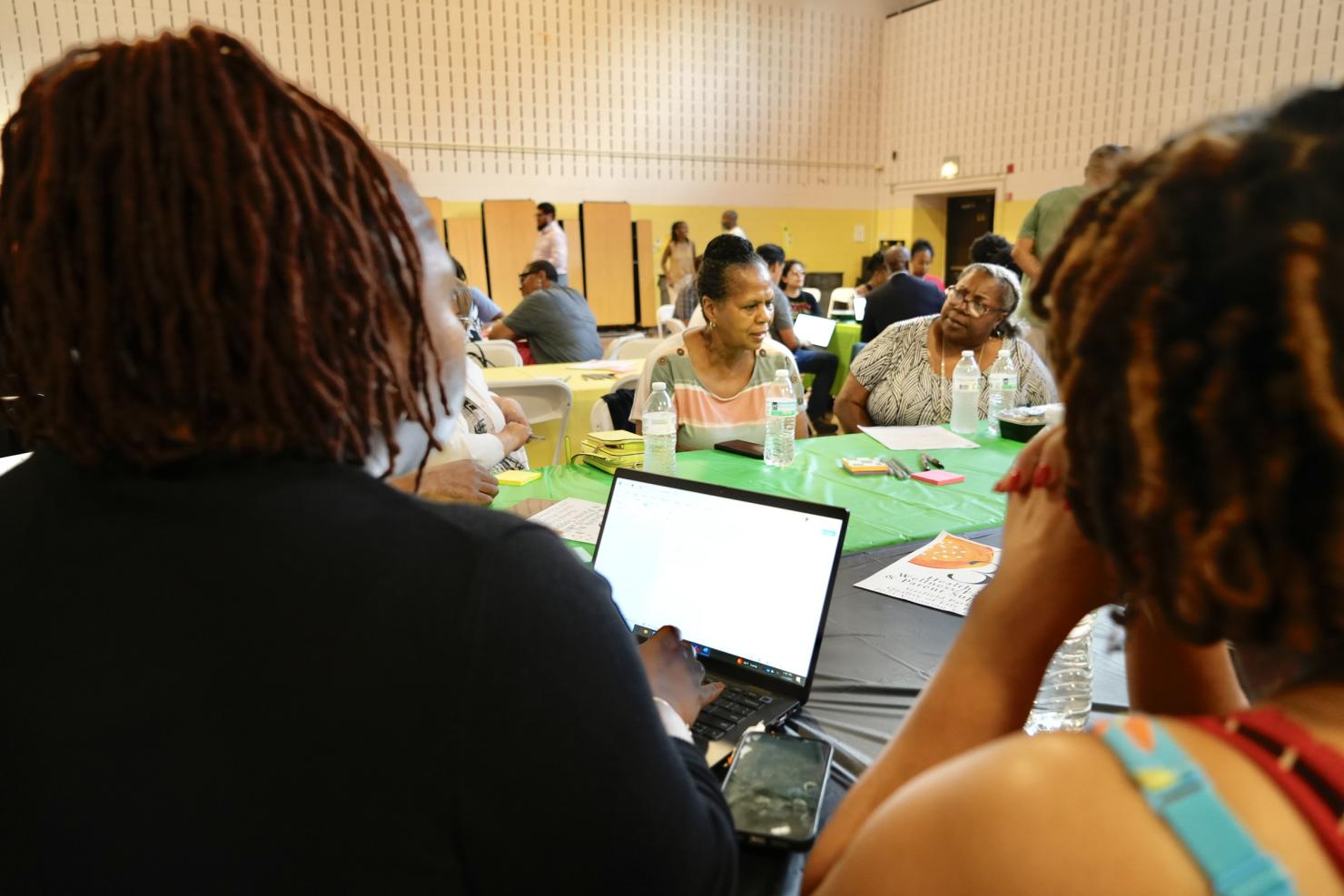
Almost 1/3
of homes in Garfield Park have no internet Connectivity making it one of the least connected neighborhoods in Chicago
Nearly 18% rely only on smartphones for internet access in comparison to 10% in Chicago
The Garfield Park Conservatory is a major cultural asset, welcoming over 323,260 visitors in 2024
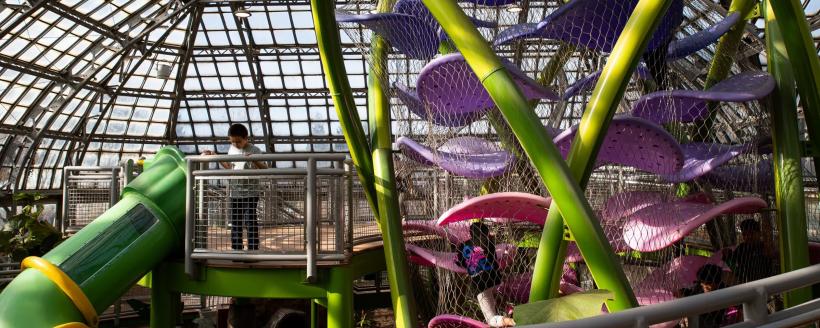
13.9% of adults in West Garfield Park do not have access to internet
in comparison to 6.9% in Chicago
Key Local Factors
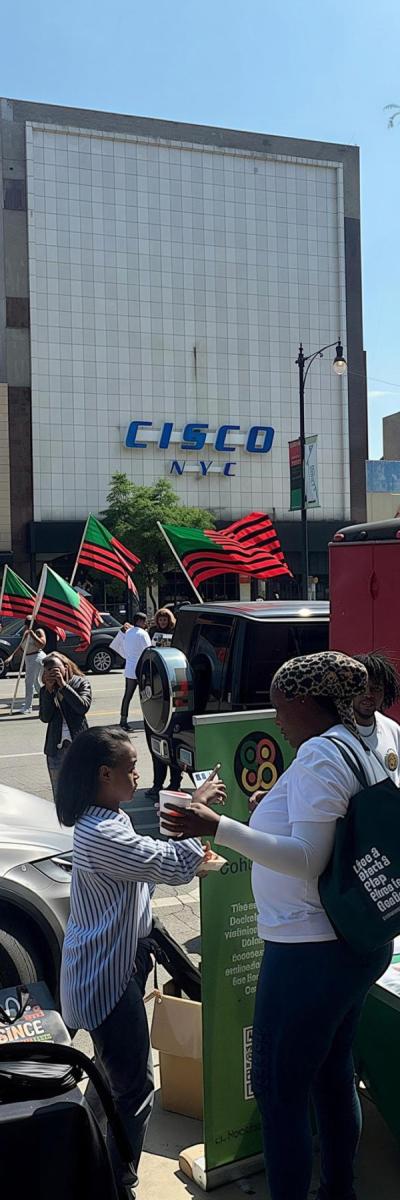
In Garfield Park, arts, media, and technology make the rhythm of the streets, the pulse of community gatherings, and the resilience of creative expression. Our neighborhood is where people come together—just to see what’s going on—whether it’s music at the Golden Dome, a skate night, or a pop-up art show at the Conservatory.
World-renowned artists like Theaster Gates are born here. Our cultural anchors like 345 Art Gallery, Firebird Arts Center, and SkyArt offer platforms for our local artists, youth, and families to create, heal, and be seen. The Conservatory hosts seasonal art exhibitions. We have the Legler Regional Library, which opened in 1920 in the West Garfield Park neighborhood, the city’s first regional library. Marshall High School remains a cultural touchstone, and the neighborhood is home to one of the West Side’s few gifted elementary schools, Morton School of Excellence. Programs offered through Breakthrough and Black Girls Run create space for movement, storytelling, and pride. Organizations like the Fresh Supply program blend wellness, culture, and education in ways that are deeply rooted in joy and survival.
Our assets reflect a journey that has come with a cost.
The arrival of the Conservatory Green Line station in 2001 marked a shift: increased access, yes, but also rising costs and a sense of being pushed out. As new developments rise, long-time residents ask: Who is this for? The arts are present, but access is uneven. Technology is available, but not always affordable. Despite reports from Internet Service Providers, some neighborhoods—including West Garfield Park—continue to have lower rates of household internet connectivity compared to other areas of Chicago. In 2025, only 82% of our community was reported to have internet access. Creativity is abundant but often underfunded. Community-powered initiatives like Earth’s Remedies and Above & Beyond Family Recovery Center demonstrate how Garfield Park leverages media and technology to keep residents informed and connected. From Earth’s Remedies’ digital resource database to library classes in 3D printing and computer literacy, neighbors are building their own networks of knowledge and care, ensuring that technology serves as a bridge rather than a barrier.
Yet the spirit remains: moving generational knowledge forward, keeping people informed, and creating space for us to show up as we are. With upgraded libraries like Legler, green space on Jackson, and a growing network of cultural organizers, our community is poised to transform its creative infrastructure into a force for equity, healing, and collective power.
STRATEGY 1
Gather community input on using technology to engage all ages, measure success, and connect Garfield Park residents
To strengthen Garfield Park’s digital future, we’ll gather community input on how technology can engage all ages, set clear goals, and connect residents to resources. First, we’ll identify barriers—like device access, digital literacy, or affordability. Then, we’ll launch a campaign with strategic leaders to reach as many residents as possible. Inclusive participation will be promoted through accessible, multilingual outreach and intergenerational programming. Finally, we’ll involve elected officials, businesses, schools, and churches to amplify the message and expand access. Together, we’ll transform technology into a tool for creativity, connection, and community power.
STRATEGY 2
Empower residents with disabilities, sensory differences & autism to access & engage in Garfield Park’s programs
To ensure Garfield Park’s cultural and creative spaces are truly inclusive, we will empower residents with disabilities, sensory differences, and autism to access and engage fully. This begins with increased investment in organizations already serving these communities—amplifying their reach and capacity. We’ll also educate residents on available resources through accessible outreach and peer-led workshops. To foster belonging at every gathering, we will include American Sign Language (ASL) interpretation at all public events. By removing barriers and centering access, Garfield Park can become a model for equity, creativity, and connection across all abilities.
STRATEGY 3
Strengthen Garfield Park’s community bonds by creating meaningful connections
To strengthen Garfield Park’s community bonds, we will foster meaningful connections rooted in trust, transparency, and shared purpose. We’ll begin by collaborating across neighborhoods and organizations to build trust and open dialogue in a regional approach. By committing to collect and share information consistently, we’ll keep residents informed and engaged. Plans will be executed with clear, actionable outcomes and open communication. A centralized communication hub will connect residents to events, resources, and opportunities. Finally, we’ll expand access to art education programs—using creativity as a tool to unite generations, celebrate culture, and deepen relationships across Garfield Park.
STRATEGY 4
Inspire West Side community pride to create our own community narrative
To inspire pride and deepen connection in Garfield Park, we will center cultural events, art, and storytelling as tools for visibility, healing, and collective power, creating a community narrative rooted in our own brilliance. By increasing community presence at meetings and making them more welcoming, creative, and reflective of our culture, we strengthen the spaces where our voices shape decisions. We will petition elected officials to ensure public areas are safe, well‑lit, and equipped with working cameras and lights that honor our right to gather, celebrate, and feel secure. Through performances, art shows, music events, and youth‑centered spaces, we uplift local talent across generations while small group chats and neighborhood storytelling build understanding and connection. Public recognition will make our collective accomplishments visible and proudly owned by the people who live, lead, and love Garfield Park and the West Side every day.
| Project | Lead | Partners and Potential Resources |
|---|---|
| Mercedes Pickett, Earth’s Remedies | |
| 1.1 Identify barriers residents are having with technology | Earth’s Remedies, ER Data Solutions, “YOU MATTER”, Garfield Park Advisory Council, Westside Collective Archive, Garfield Park Conservatory Alliance, Legler Library |
| 1.2 Campaign with strategic leaders to engage as many residents as possible | Legler Library, Peace Runners, “YOU MATTER”, Westside Cultural Alliance, Garfield Park Advisory Council, Garfield Park Conservatory Alliance, West Side Rising |
| 1.3 Promote inclusive participation | MAAFA Redemption Project, Garfield Park Rite to Wellness Collaborative, Garfield Park Advisory Council, Garfield Park Conservatory Alliance, West Side Rising |
| 1.4 Involve elected officials, businesses, schools and churches to spread the word | West Humboldt Park Garfield Park CAC, Garfield Park Advisory Council, Earth’s Remedies, Garfield Park Conservatory Alliance |
| Project | Lead | Partners and Potential Resources |
|---|---|
| 2.1 Add more investments in existing organizations serving populations often left out | “YOU MATTER”, For Limes Smiles For Miles; Garfield Park Conservatory Alliance |
| 2.2 Educate community on resources available | “YOU MATTER”, West Humboldt Park Garfield Park CAC, Legler Library, For Limes Smiles For Miles; Garfield Park Conservatory Alliance, Garfield Park Community Council |
| 2.3 Include American Sign Language (ASL) for all events | MAAFA Redemption Project, Garfield Park Conservatory Alliance |
| Project | Lead | Partners and Potential Resources |
|---|---|
| Mercedes Pickett, Earth’s Remedies | |
| 3.1 Collaborate to create more trust and transparency | MAAFA Redemption Project, “YOU MATTER”, Garfield Park CDC, Westside Cultural Alliance, Garfield Park Conservatory Alliance, Rush |
| 3. 2 Commit to collecting shared information to constantly share out | "YOU MATTER”, Garfield Park Conservatory Alliance, Earth’s Remedies |
| 3.3 Execute plans with actionable outcomes with open communication | GPRWC, Garfield Park Conservatory Alliance, Fawohodie Foundation |
| 3.4 Create a communication hub | Oak St. Health, Breakthrough, Garfield Park Rite to Wellness Collaborative, Earth’s Remedies, Garfield Park Conservatory Alliance, Fawohodie Foundation, Leaders Network, ER Data Solutions |
| 3.5 Provide more art education programs | West Side Cultural Arts Council, MAAFA Redemption Project, Garfield Park Conservatory Alliance |
| Project | Lead | Partners and Potential Resources |
|---|---|
| MAAFA Redemption Project | |
| 4.1 Host community performances, art shows, and music events that celebrate local culture | MAAFA Redemption Project, Westside Cultural Alliance, West Side Cultural Arts Council, Bethel New Life, Breakthrough Community Relations, Earth’s Remedies, Garfield Park Conservatory Alliance, ALT Space |
| 4.2 Gather small group chats where neighbors share their stories, traditions, and successes to find common ground and build understanding | Earth’s Remedies, ER Data Solutions, MAAFA Redemption Project, “YOU MATTER”, West Side Cultural Arts Council, Westside Cultural Alliance, Breakthrough Community Relations, Bethel New Life, Greater West Town Community Development Project, Garfield Park Conservatory Alliance, Fawohodie Foundation, Rush |
| 4.3 Recognize collective accomplishments publicly—through block parties, newsletters, or social media | Chicago News Outlets, Westside Cultural Alliance, West Side Cultural Arts Council, Breakthrough Community Relations, Garfield Park Conservatory Alliance |
| 4.4 Gather more community presence at community meetings | West Side Cultural Arts Council, MAAFA Redemption Project, “YOU MATTER”, Westside Cultural Alliance, Greater West Town Community Development Project, Earth’s Remedies, Westside Collective Archive |
| 4.5 Petition elected officials to have proper upkeep of cameras and lights at community spaces | Garfield Park Advisory Council, Fawohodie Foundation |
| 4.6 Develop campaigns to demand community need | MAAFA Redemption Project, Earth’s Remedies, Fawohodie Foundation |
Business & Economic Development
Business & Economic Development Goal:
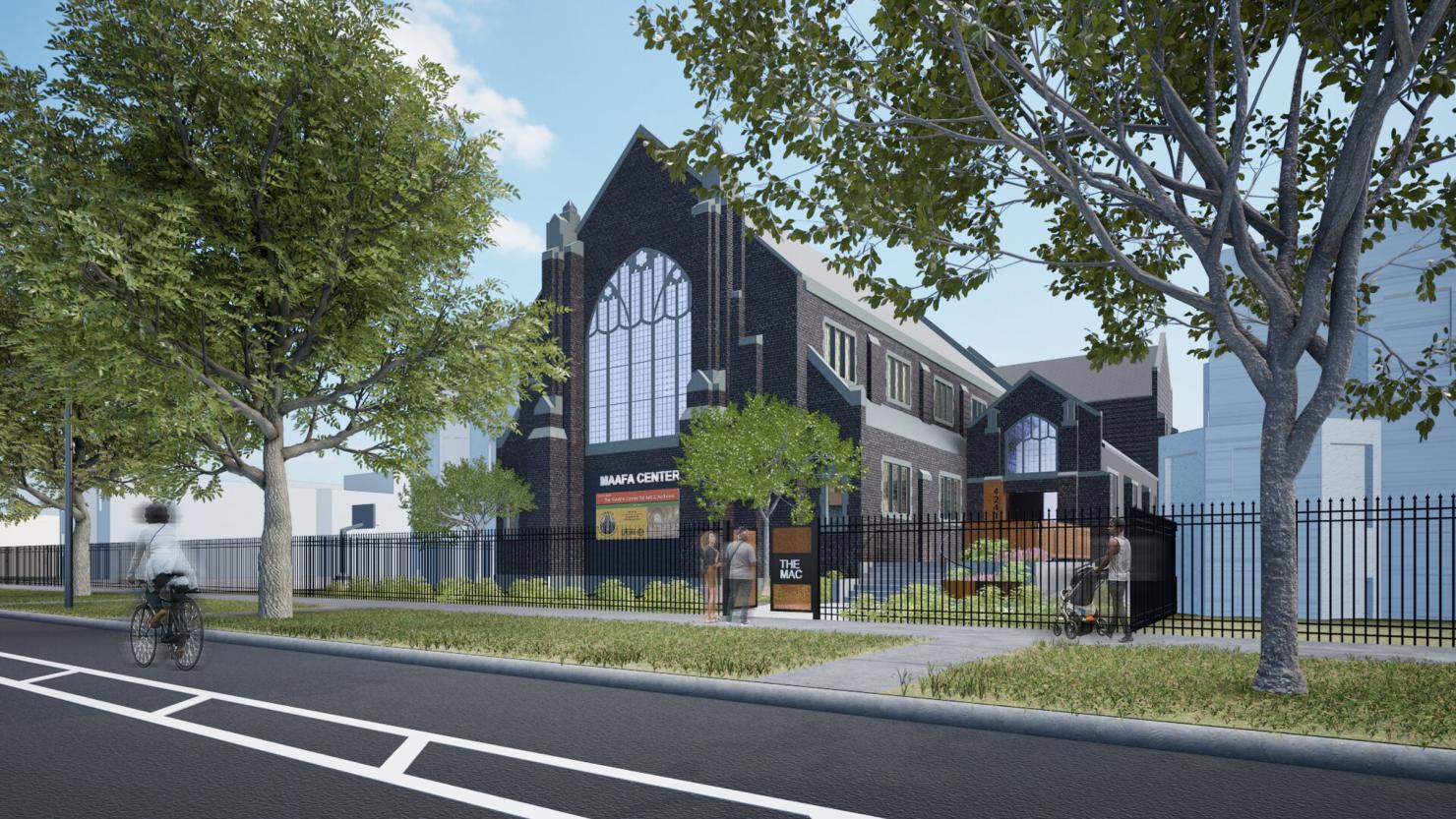
Our vision is to develop an arts- and culture-focused, enriched district that reflects a connection to the Black U.S. South and supports principles of self-determination, cultural place-making, and place-keeping.
We are building a local economy that supports our well-being and self-determination. Our focus is on creating family-friendly spaces that embody safety for mom, dad and children along the Madison and Pulaski corridors.
This vision should be adopted by future businesses, neighbors and property owners, as well as accompany municipal development framework. That vision should match business and economic vision from the community with the built environment and guide public and private investments for the West Garfield Park area. The area of focus should specifically encompass the Madison and Pulaski corridors; from 2000 West Madison to 5400 West Madison and 300 North to 600 South Pulaski Road.
Garfield Park’s vision for business and economic development centers on vibrant resident ownership, diverse local businesses, and safe, welcoming commercial corridors that meet the full needs of residents. Our community envisions quality retail, dine-in restaurants, and entertainment zones that attract visitors for culture, not crime. Priorities include youth engagement, workforce training (especially in beauty and entrepreneurship), and support for homeowners and small-scale manufacturers. Residents call for land trusts, financial assistance, more banks, and full-service health care. With transit-oriented development, 3rd-space gathering spots, and activation zones, Garfield Park aims to keep money circulating locally and build a thriving neighborhood economy.
Planned Measures of Success:
- Decrease number of long‑term vacant or unsafe commercial properties
- Increase number of local businesses rehabilitating existing commercial stock
- Increase number of shared ownership models (co‑ops, land trusts investment vehicles) established
- Increase number of Garfield Park residents participating in zoning and land‑use decisions
- Increase number of resident‑owned enterprises and businesses contributing to community wealth
Vacancy rate:
Commercial vacancy remains high, with many city‑owned parcels in East Garfield Park
Median household income: $26,000
City investment: $2M+ in shared‑ownership business grants announced in 2025
Key Local Factors
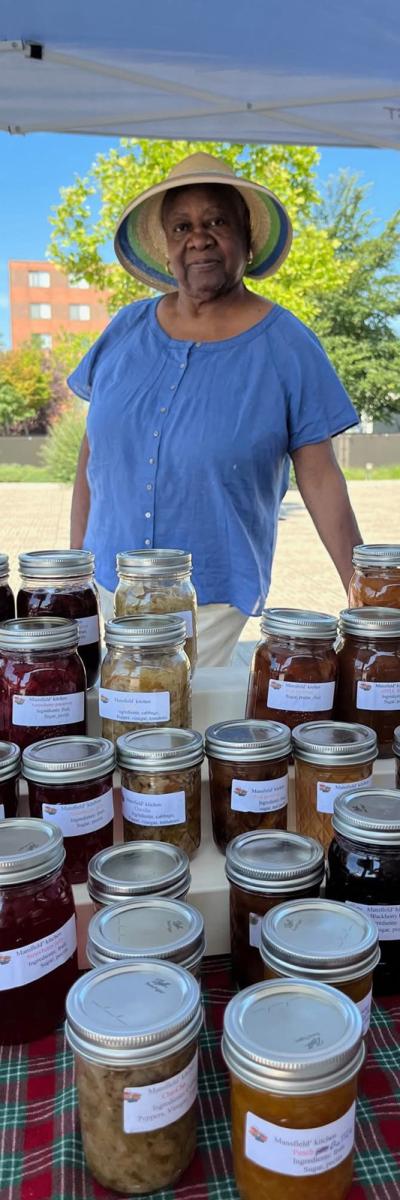
Garfield Park’s business landscape is a mix of legacy, hustle, and hope—where local gems like Taste Buds, Out of the Past Records, and King's Hardware thrive through their deep roots with community. The Garfield Park Farmers Market and Save A Lot provide fresh options, while Pete’s Fresh Market anchors the corridor with broader access.
Yet many of our residents still go outside the neighborhood for entertainment, shopping, and services, pointing to a need for more diverse, community-rooted businesses. Vacant buildings and abandoned lots dot the landscape as reminders of disinvestment and opportunity lost. New developments bring tension—displacement and gentrification threaten long-time residents and small businesses.
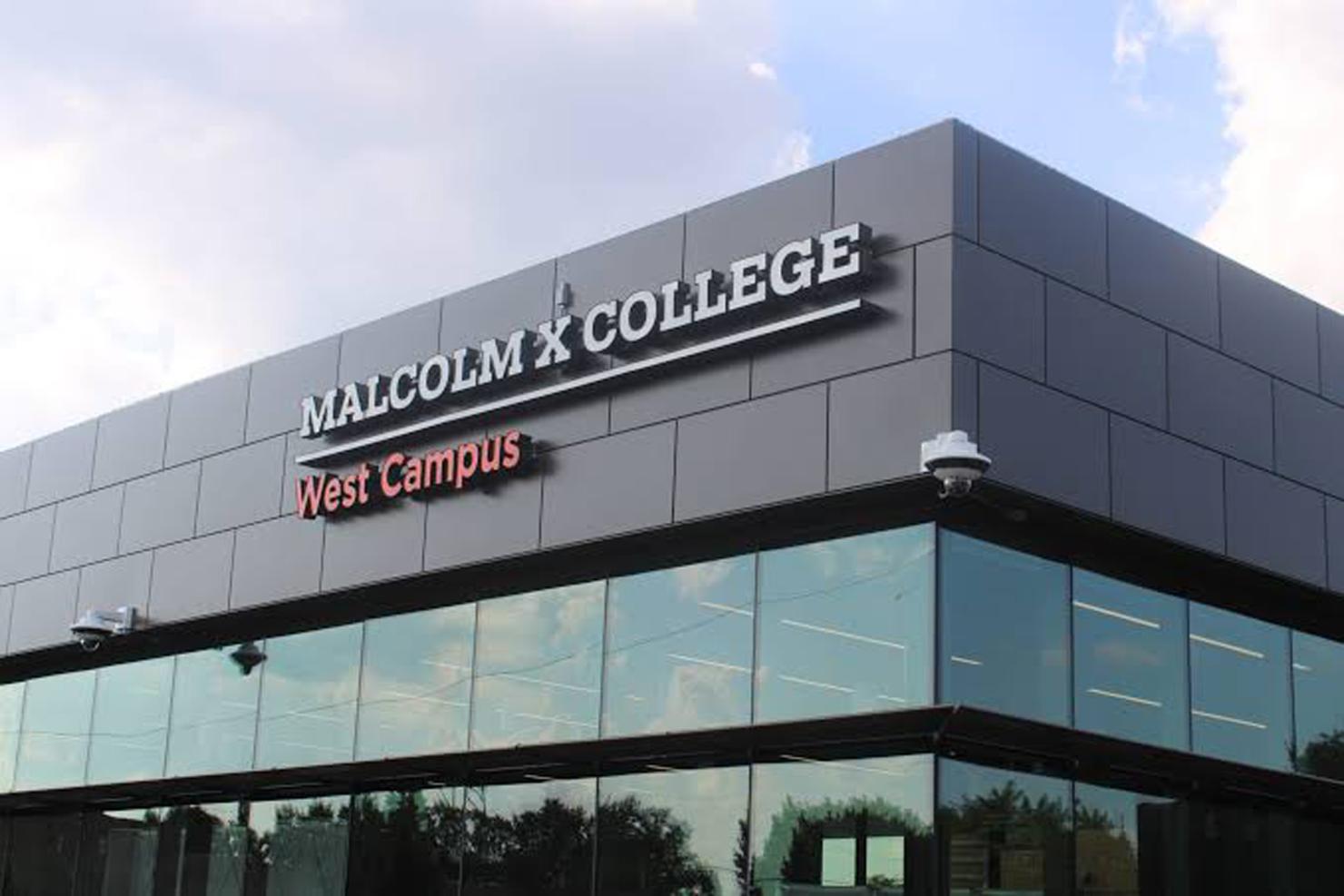
All the while, Garfield Park is still being built. The name Sankofa Wellness Village signals a bold vision for health and economic equity. The new extension to the Malcolm X West Side Campus, and Firebird Community Arts Center reflect growing infrastructure for wellness, youth, and creativity. Out of the Past, Joe Willies, Po’ Fred's, and Wiley’s carry the legacy of resident entrepreneurship and food.
Cinespace looms nearby, and we would love to see how we strengthen community benefits to our city’s assets. Our residents continue to ask: Where are the jobs? Where’s the investment in us? The call is clear—Garfield Park needs pathways for ownership, training, and business development that reflect our community’s culture, talent, and vision.
STRATEGY 1
Create safe pathways linking education, training, and inclusive jobs to sustainable economic opportunities in Garfield Park
To build a thriving Garfield Park, we will create safe spaces and pathways that connect education, training, and inclusive jobs to sustainable economic opportunity. This starts by acknowledging the shadow economy and offering real pathways into legitimate markets. We’ll establish safe, family-friendly zones along commercial corridors and invest in future-focused education that prepares youth for careers beyond the 8am-4pm model. We’ll advocate for flexible hiring practices that welcome those with records or trauma, and strengthen pipelines between workforce organizations, schools, and businesses. Legal opportunities tied to existing skills and trauma-informed job supports will ensure every resident can build a dignified future.
STRATEGY 2
Provide residents with resources, funding, and support to repair and maintain safe, healthy buildings in Garfield Park
To ensure Garfield Park’s buildings reflect the strength and safety of its people, we will provide residents with the resources, funding, and support needed to repair and maintain healthy spaces. We’ll advocate to reform grant and financing structures—so small and local businesses can access front-loaded or bridge funding without delay. Property owners will be held accountable for upkeep, and we’ll push to reduce tax incentives that reward vacancy. For long-term abandoned or dangerous sites, we’ll explore eminent domain. Finally, we’ll incentivize the rehabilitation of existing commercial buildings to support local business growth and community-serving development.
STRATEGY 3
Empower Garfield Park residents to guide development
To make sure development in Garfield Park reflects the vision and values of its residents, we will empower community members to guide the process directly. We’ll promote the existing land use advisory committee with real influence over decisions that shape the neighborhood. Knowledge-sharing workshops will equip residents with tools to understand and engage in development processes. We’ll advocate for policies that prioritize local ownership and meaningful participation in development deals. Finally, we’ll push for Special Service Area (SSA) funds or similar mechanisms to support corridor improvements—so Garfield Park’s growth is driven by community voice, not outside interests.
STRATEGY 4
Grow transparent planning to build lasting wealth and shared prosperity in Garfield Park
To build lasting wealth and shared prosperity in Garfield Park, we will grow transparent planning rooted in community voice and collaboration. We’ll promote cooperative economics and shared ownership models—like co-ops, land trusts, and community investment vehicles—that keep assets in community hands. Strengthening networks of resident-owned businesses and incubators will support local talent and entrepreneurship. We’ll encourage long-term, flexible capital strategies that build generational wealth. By deepening connections between community-based organizations, we’ll align efforts and amplify impact. We will also engage trusted safety leaders to connect with the shadow workforce, offering pathways toward stability, dignity, and economic participation.
| Project | Lead | Partners and Potential Resources |
|---|---|
| Fawohodie Foundation, Madison Business Association | |
| 1.1 Acknowledge and engage with the shadow economy and create pathways for transition into legitimate markets | Fawohodie Foundation, Greater West Town Community Development Project, Garfield PAC, Bethel New Life |
| 1.2 Create safe and family zones along commercial corridor | “YOU MATTER”, Garfield Park CDC, The K, Fawohodie Foundation, Saving Our Sons, Bethel New Life |
| 1.3 Invest in education and training that prepare youth for 2035+ careers (beyond traditional working hours)) | Garfield Park CDC, The Builders School, Greater West Town Community Development Project, Garfield Park Advisory Council, The K, Fawohodie Foundation, Garfield Park Conservatory Alliance, Bethel New Life, West Side United |
| 1.4 Advocate for flexible business hiring practices for those with records or trauma | The Builders School, Saving Our Sons |
| 1.5 Build better pipelines between workforce organizations, schools, and businesses | Greater West Town Community Development Project, Garfield Park Advisory Council, Fawohodie Foundation, The Builders School, Madison Business Association, Revolution Workshop, West Side United |
| 1.6 Provide legal opportunities related to existing skills (e.g., pharmacy, dispensary jobs, entrepreneurship) | Garfield Park Advisory Council, Westside Justice Center, Fawohodie Foundation, The Builders School, Leaders Network |
| 1.7 Offer trauma-informed supports alongside job training | Habilitative Systems, Inc., Garfield Park Conservatory Alliance, The Builders School |
| Project | Lead | Partners and Potential Resources |
|---|---|
| 2.1 Campaign for reform of grant and financing structures to allow front-loaded funding or bridge financing for small/local businesses | Keith Muhummad, Fawohodie Foundation, Allies for Community Business, CCLF, AAECDFI, Small Business Advocacy Council |
| 2.2 Hold property owners accountable for upkeep and reduce tax write-off incentives for vacancies | Keith Muhummad, Fawohodie Foundation, Special Service Area #77, Madison Business Association |
| 2.3 Explore eminent domain for long-term vacant/dangerous properties | Keith Muhummad, Garfield Park CDC, Fawohodie Foundation, Cook County Land Bank |
| 2.4 Incentivize rehabilitation of existing commercial stock for local business use | Garfield Park CDC, Madison Business Association |
| Project | Lead | Partners and Potential Resources |
|---|---|
| Garfield Park CDC | |
| 3.1 Create a Garfield Park zoning and land use advisory committee with real influence | Garfield Park CDC, Garfield Park Advisory Council, Garfield Park Conservatory Alliance, Garfield Park Community Council |
| 3.2 Offer knowledge-sharing workshops on zoning and development processes for residents | Garfield Park CDC, Fawohodie Foundation, The K, West Side United |
| 3.3 Advocate for policies that prioritize local ownership and participation in development deals | Keith Muhummad, Fawohodie Foundation |
| 3.4 Influence for SSA (Special Service Area) funds or similar tools to directly support corridor improvements | Keith Muhummad, Westside Health Authority, SSA #77 |
| Project | Lead | Partners and Potential Resources |
|---|---|
| 4.1 Promote cooperative economics and shared ownership models (community investment vehicles, co-ops, land trusts) | Garfield Park CDC, Keith Muhummad, Gina Jamison, The K, Fawohodie Foundation, West Gate |
| 4.2 Strengthen networks of resident-owned businesses and incubators | Garfield Park Rite to Wellness Collaborative, Garfield Park Conservatory Alliance |
| 4.3 Encourage long-term flexible capital and community wealth-building strategies | Keith Muhummad, Fawohodie Foundation, The K, West Gate |
| 4.4 Develop stronger connections between community-based organizations to align efforts | “YOU MATTER”, Greater West Town Community Development Corporation, Garfield Park Conservatory Alliance, GPRWC, West Side United |
| 4.5 Engage with safety leaders and trusted relationships to properly engage with the shadow workforce | Fawohodie Foundation, Institute for Nonviolence, Saving Our Sons |
Education & Workforce Development
Education & Workforce Development Goal:
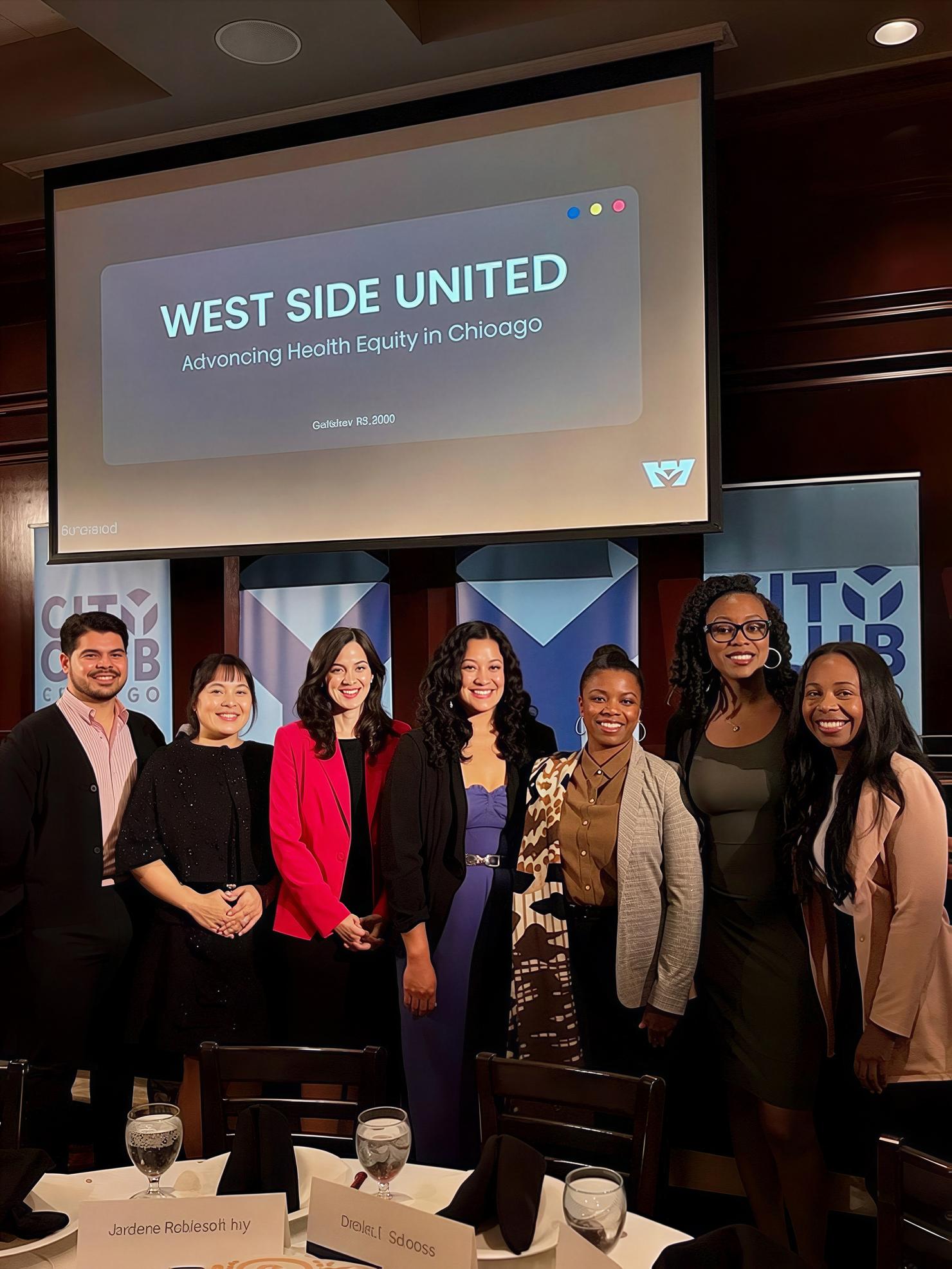
Garfield Park will be a thriving hub of intergenerational learning, economic empowerment, and cultural pride—where youth lead with creativity, families build generational wealth, and education is rooted in relevance and self-determination. By partnering with faith-based institutions, local businesses, and nonprofits, we are opening doors to the careers of the future—from clean energy and AI innovation to vocational training, trades, industrial and educational internships, and Black-owned educational spaces. By integrating eco-friendly infrastructure and sustainable energy solutions to meet the demands of emerging technologies, Garfield Park will ensure every resident is equipped to shape their future with purpose, power, and environmental responsibility. Garfield Park is a community where all residents, businesses, and civic institutions are stable, healthy, and able to access opportunity.
Planned Measures of Success:
- Increase number of youth accessing internships and apprenticeships
- Increase number of mentorship programs connecting elders and professionals with youth
- Establish the use of a Garfield Park’s Education & Workforce Portal
- Decrease school dropout rates and barriers to higher education and post secondary options
- Increase number of residents earning certifications, scholarships, or trade credentials
- Increase in math and reading scores in all of our schools
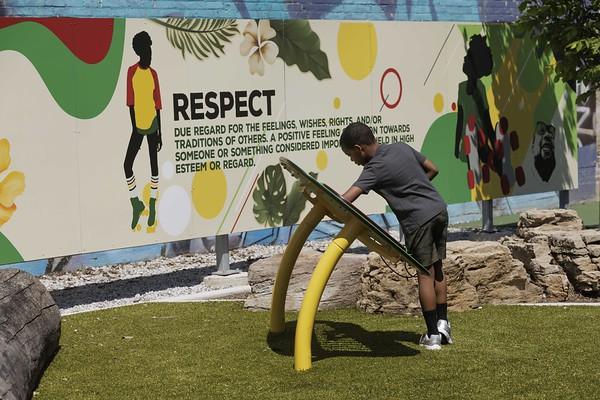
Youth population:
23.4% aged 5–19
Average age in the Community: 36 years
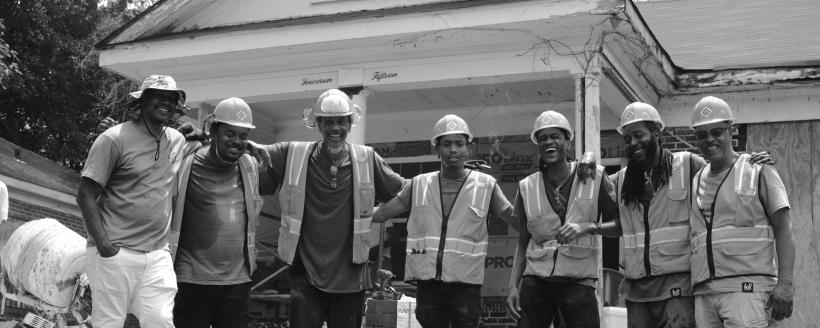
Labor force participation:
47%
Key Local Factors
Garfield Park’s education and workforce development landscape is shaped by a network of community institutions, anchor organizations, City investments, and local leaders that together reveal both opportunity and ongoing challenges. East and West Garfield Park continue to experience the effects of decades of disinvestment, which have influenced school performance, job access, and community stability. The unemployment rates in East Garfield Park (approx. 19%) and West Garfield Park (approx. 23.8%) are higher when compared to the U.S. national average of 4.3%. Our community faces significant economic challenges including high poverty, elevated levels of violent crime relative to surrounding areas and stubbornly high unemployment rates.
Chicago Public Schools (CPS) data on both sides of the Park highlight the urgency of strengthening local education-to-career pathways. Our community’s postsecondary milestones fall below district averages in immediate college enrollment, persistence, and credential completion. CPS West Side regional reporting situated both East and West Garfield Park in a broader context of concentrated poverty, housing mobility, and under-resourced schools. These data highlight the importance of wraparound supports—such as mentorship, and career exposure—to help young people transition successfully from education to employment.
Local health and workforce institutions are beginning to build promising bridges between education and employment. With more classrooms, meeting spaces, and programs in health care and other good-paying fields, residents in Garfield Park can finally access real opportunities close to home. We’re seeing more Black and Brown students enrolling and succeeding, which shows how much our community is ready for these resources. This expansion is an investment in our future, helping families balance school, work, and childcare while creating a stronger workforce for our neighborhood.
Erie Family Health Centers, a trusted community health provider, is serving as an anchor partner in the planned Sankofa Wellness Center in West Garfield Park—a major neighborhood investment that will include workforce development, youth programming, childcare, and employment pathways. This model of combining healthcare, training, and family supports in one hub creates new opportunities for residents to access health-related and administrative careers close to home.
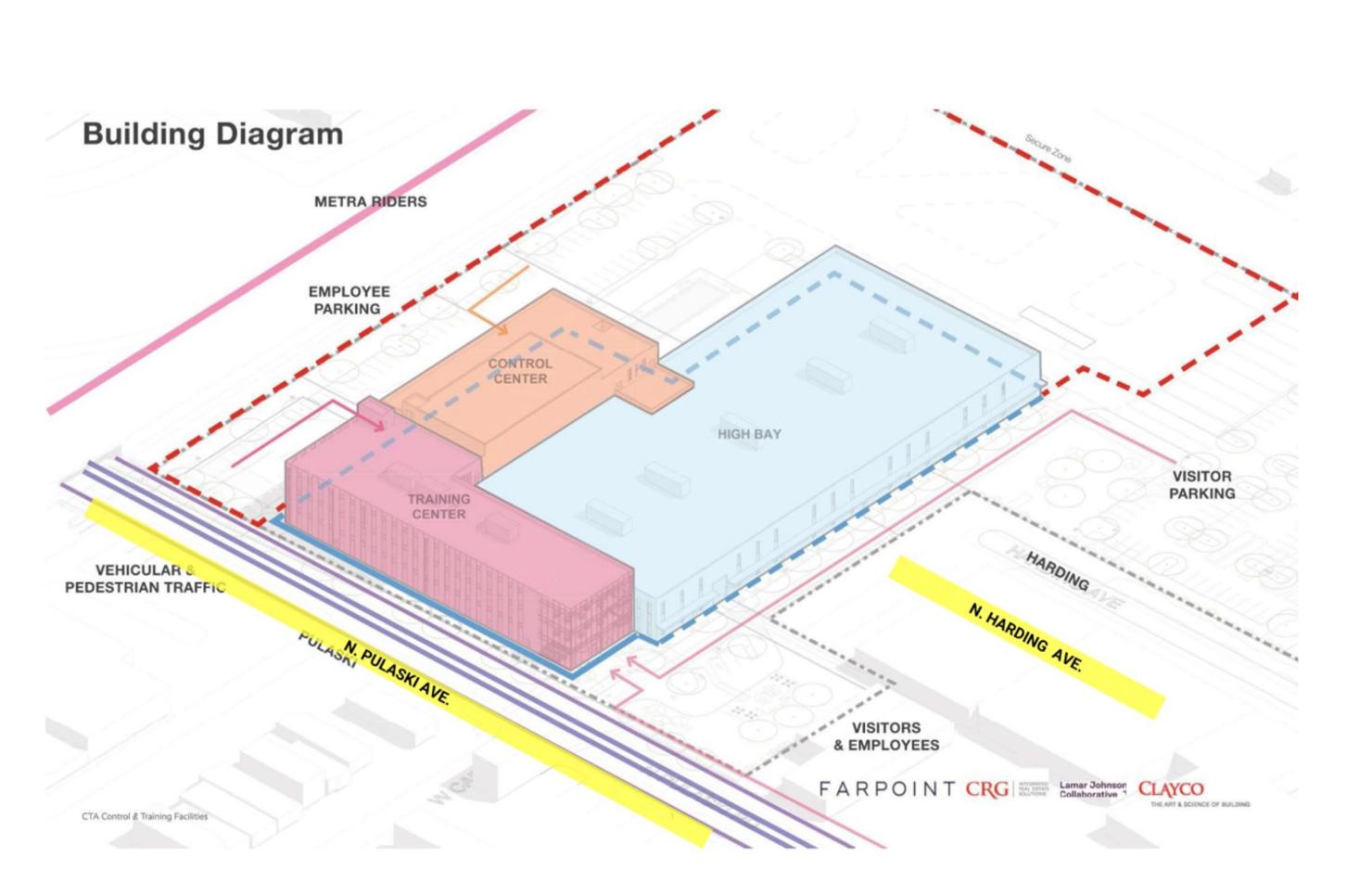
Similarly, the Chicago Transit Authority’s (CTA) forthcoming Training and Control Center in West Garfield Park presents another anchor for workforce development. The CTA’s training programs already prepare participants for union apprenticeships and transit operations, and if connected intentionally to Garfield Park residents through community outreach and supportive services, this initiative could create long-term, stable employment opportunities in construction, maintenance, and transit operations.
Faith-based institutions and community organizations remain vital to building trust and engagement. New Mt. Pilgrim Baptist Church, United for Better Living and other congregations have long been spaces where neighbors come together to learn, organize, and access support. These institutions can expand their roles by hosting workforce readiness classes, digital literacy training, and short-term certificate programs. Nonprofit after-school providers and small businesses can complement this work by offering mentorship and experiential learning. Partnerships between Erie, Rush University System for Health, YMCA, and neighborhood organizations—especially within the Sankofa Wellness Center—show the power of collaboration when institutions align their efforts around community employment and education goals.
However, many of our residents and local leaders acknowledge that progress has been slowed by a lack of cooperation and communication. People often express that “the only way to accomplish things is to come together,” but building that collective action has been difficult. Residents note that “everyone wants to do their own thing” and that “all of the organizations are working on something in the vision, but it is not cohesive.” This sense of working in silos limits impact and weakens opportunities for shared learning. Community voices point to the need for more consistent dialogue, shared planning tables, and efforts that “bring everyone around the table together,” where each partner can contribute their expertise and align around common goals.
Some of our residents describe a strong sense of individuality and pride that can make cooperation difficult. Others highlight the need to “encourage each other” and build stronger intergenerational relationships, where “the younger generation can see what they have the possibility to be.” There is also a recognized disconnect between community members and civic processes. Several residents express that “people don’t understand the why”—that without a shared understanding of the purpose or vision, engagement can be limited. Years of disinvestment and community trauma have left many people feeling discouraged or distrustful, creating a sense of isolation and fatigue. Also noting the absence of civic education and consistent voter engagement, saying, “we aren’t aware of civics and the laws” and “we don’t have ways to educate ourselves on implementing these ideas.” This lack of awareness and participation leads to a disconnect between local decision-making and resident voice.
Other barriers include limited door-to-door outreach, weak information networks, and a lack of communication infrastructure to keep residents informed about opportunities. “No ability to know what is going on in the community” was a common sentiment shared by residents, emphasizing the need for improved neighborhood communication and engagement systems. Addressing these barriers means investing not only in programs, but also in the relationships and trust that sustain them.
Garfield Park’s pathway forward lies in reconnecting the dots—between schools and employers, between organizations and residents, and between generations. Strengthening civic education, neighborhood communication, and shared leadership structures will be just as important as expanding workforce training programs. A coordinated, community-led strategy that uses CPS data to target youth interventions, aligns with institutional investments from Erie, Rush, and CTA, and centers faith-based and resident organizations as co-designers of solutions can bridge the divide between potential and progress. By lifting up collaboration, transparency, and mutual support, our community can build an education and workforce ecosystem that turns local vision into sustainable opportunity, allowing residents of all ages to thrive together.
| Employment of Garfield Park Residents | Percentage Employed |
|---|---|
| Health Care | 18.9% |
| Administration | 12% |
| Retail Trade | 11% |
| Food Service | 9.7% (West Garfield Park) |
| Education | 8.8% (East Garfield Park) |
| Transportation | 8.6% |
| Manufacturing | 6.5% |
| Professional | 3.9% |
| Construction | 3.5% |
| Location of Employment | Percentage Employed |
|---|---|
| Outside of Chicago | 40.1% |
| The Loop | 15.7% |
| Near North Side | 7.9% |
| Near West Side | 6.5% |
| West Town | 2.9% |
Based on the CMAP Community Data Snapshots for West Garfield Park (2025) and East Garfield Park (2024)
STRATEGY 1
Our community will strengthen its future by fostering collaboration among residents, organizations, and institutions. This strategy encourages neighbors, nonprofits, schools, and faith-based partners to move beyond working in silos and come together around shared goals. By creating spaces for open dialogue, joint planning, and resource sharing, the community can build trust and align efforts that support education, workforce development, and neighborhood well-being. Anchors such as Erie Family Health Centers, Rush, and the CTA Workforce Training Center can help model collaboration and expand opportunities for residents. Promoting civic awareness, intergenerational leadership, and mutual encouragement will ensure that everyone has a role in shaping Garfield Park’s vision. Unity and cooperation will transform individual efforts into collective impact, making progress a shared achievement.
STRATEGY 2
Establish learning hubs and mentorship programs connecting elders, educators, professionals, youth, and families
We will build neighborhood-based learning hubs that connect elders, educators, and professionals with youth and families to share knowledge, skills, and support. These hubs will serve as safe, welcoming spaces where residents can access tutoring, career guidance, digital literacy, and creative learning opportunities close to home. Intergenerational mentorship will bridge experience and innovation—allowing elders to pass on wisdom while youth bring new perspectives and energy. Partnerships with local schools, churches, industry focused hands on opportunities will provide resources and mentorship pathways leading to education and employment. By nurturing relationships across generations, Garfield Park will cultivate a culture of lifelong learning, mutual respect, and community pride—ensuring every resident has the chance to learn, teach, and lead.
STRATEGY 3
Expand visible pathways and inspirational opportunities for Garfield Park’s 18–24-year-olds
Our young adults deserve to see, access, and believe in their future. We’re building a network of internships and apprenticeships that put our youth directly into growing fields—clean energy, artificial intelligence, healthcare, and skilled trades. These aren’t distant dreams; they’re hands‑on opportunities right here, shaped by partnerships with colleges, unions, and local businesses. Step by step, clear pathways will connect school to certifications, trades, and higher education. And to make sure opportunities are easy to find, we’ll share them through community spaces and online platforms like MyChiMyFuture, so no one is left out.
This is about connecting ambition with real opportunity. Garfield Park’s 18–24‑year‑olds will be inspired to pursue meaningful careers, lead the next generation of growth, and strengthen our community across education, transportation, manufacturing, professional services, and construction. When our young people thrive, Garfield Park thrives.
STRATEGY 4
Restore hands-on career programs, expand mentorship, and build skills, focus, and accountability to help residents achieve goals
This strategy empowers our residents to achieve their goals by combining practical skills training with mentorship, support, and accountability. Community progress circles will allow residents to share challenges and successes, celebrate milestones, and build a culture of mutual encouragement. Micro-grants and scholarships will provide access to certifications, trade schools, and small business startup support, removing financial barriers to advancement. After-school and weekend academies led by local professionals will teach trades, entrepreneurship, and essential life skills such as financial literacy, cooking, and home maintenance. Dedicated programs will also support our returning citizens and youth reentering school, ensuring they have pathways to education, employment, and being a community stakeholder . By connecting skill-building, mentorship, and structured support, Garfield Park can cultivate motivated, capable residents ready to pursue meaningful careers and strengthen the neighborhood’s future.
| Project | Lead | Partners and Potential Resources |
|---|---|
| West Humboldt Park Garfield Park Community Action Council | |
| 1.1 Encourage a youth movement to speak on their needs in educational settings | Fresh Supply, Garfield Park/West Humboldt Park Community Action Council, Earth's Remedies, Westside Community Empowerment Center |
| 1.2 Redesign outdated processes to support youth in school and outside of school | Fresh Supply, Garfield Park/West Humboldt Park Community Action Council, Earth's Remedies, Westside Community Empowerment Center |
| 1.3 Maximize community engagements, parties, social events, movies in the park, kick backs and Fee Fees in the Circle to create unifiying messaging and programming for workforce development | Earth's Remedies, ER Data Solutions, Fresh Supply, Garfield Park/West Humboldt Park Community Action Council, Bethel New Life, NO SMALL PLANS, Westside Community Empowerment Center, Fawohodie Foundation |
| Project | Lead | Partners and Potential Resources |
|---|---|
| Keith Muhummad, Greater West Town Community Development Project | |
| 2.1 Utilize trusted messengers—block clubs, barbershops, beauty salons, and churches—to distribute information in accessible formats | Earth's Remedies, ER Data Solutions, Fresh Supply, “YOU MATTER”, Greater West Town Community Development Project, West Humboldt Park Garfield Park Community Action Council, Bethel New Life, Westside Community Empowerment Center |
| 2.2 Launch a centralized Garfield Park Education & Workforce Portal (both online and through kiosks in schools, libraries, and churches) to share information on jobs, internships, scholarships, and training | Earth's Remedies, ER Data Solutions, Fresh Supply, Westside Community Empowerment Center |
| 2.3 Develop civic education workshops that highlight how local governance, policy, and community organizing connect to education, job creation, and wealth-building opportunities | Fresh Supply, Greater West Town Community Development Project, Fawohodie Foundation |
| 2.4 Integrate trauma-informed practices into schools, training programs, and workforce centers to support holistic well-being and resilience | Earth's Remedies, Fresh Supply, The Builders School |
| Project | Lead | Partners and Potential Resources |
|---|---|
| Tony Raggs, Resident; Greater West Town Community Development Project | |
| 3.1 Develop a community internship and apprenticeship network that guarantees youth hands-on access to industries like clean energy, AI, healthcare, and skilled trades | Earth's Remedies, ER Data Solutions, Fresh Supply, Greater West Town Community Development Project, Bethel New Life, The Gray Matter Experience, Garfield Park Conservatory Alliance, Westside Community Empowerment Center |
| 3.2 Enhance partnerships with colleges, unions, and businesses to map clear, step-by-step pathways from school to certifications, trades, and higher education | Earth's Remedies, ER Data Solutions, Fresh Supply, Greater West Town Community Development Project, Bethel New Life, Garfield Park Conservatory Alliance, Malcolm X West Campus |
| 3.3 Create a multi-platform system to house and distribute education, workforce, and opportunity information in accessible, community-centered ways | Earth's Remedies, ER Data Solutions, Fresh Supply, Greater West Town Community Development Project, Bethel New Life, Garfield Park Conservatory Alliance |
| Project | Lead | Partners and Potential Resources |
|---|---|
| Keith Muhummad, Greater West Town Community Development Project | |
| 4.1 Conduct community progress circles where residents share challenges and successes, building accountability and celebrating milestones | Earth's Remedies, ER Data Solutions, Fresh Supply, Greater West Town Community Development Project, Bethel New Life, Garfield Park Conservatory Alliance, Chicago Public Schools |
| 4.2 Provide micro-grants and scholarships for residents to access certifications, trade schools, and small business startup support | Earth's Remedies, ER Data Solutions, Fresh Supply, Greater West Town Community Development Project, Bethel New Life |
| 4.3 Develop after-school and weekend academies for trades, entrepreneurship, and practical life skills (financial literacy, cooking, home maintenance) led by community professionals | Earth's Remedies, Fresh Supply, Greater West Town Community Development Project, Chicago West Community Music Center, The Gray Matter Experience, Garfield Park Conservatory Alliance, The Builders School, Westside Community Empowerment Center |
| 4.4 Create intentional programs to support returning citizens and juveniles returning back into school not just the community | Fresh Supply, Greater West Town Community Development Project, Earth's Remedies, The Builders School |
Health & Wellness
Health & Wellness Goal:
Garfield Park will be a safe, self-sustained village where neighbors walk, talk, exercise and gather in gardens, block clubs, and welcoming community spaces. Seniors will feel secure, youth will thrive through sports, safe spaces, and job training, and residents of all ages will build unity through health, wellness, and intergenerational programs. The village will offer essentials like grocers, laundromats, eateries, and entertainment while also supporting behavioral health, reducing stigma, and creating spaces for people with special needs. Clear communication, active precinct leaders, and community watch efforts will ensure everyone stays connected, informed, and engaged. Together, Garfield Park will flourish with beauty, joy, and belonging while closing the life expectancy gap.
Planned Measures of Success:
- Increase participation in block‑level wellness activities and surveys
- Increase number of residents accessing culturally sensitive health services
- Increase number of intergenerational wellness programs offered
- Decrease preventable health issues reported in Garfield Park
- Increase funding secured for health facilities and programs
Life expectancy gap:
THE Loop: 87.3 years
Garfield Park: 66.6 years
Gap: ~20 years
Obesity: 40% of adults obese vs. ~29% citywide
Psychological distress
Over 55% of adults experienced moderate or serious distress (2023–2024)
Key Local Factors
Health in Garfield Park is not just about hospitals or clinics—it is about whether our residents feel safe enough to walk outside, whether youth have sports teams to join, whether elders can connect without fear, and whether families can access fresh food without leaving the neighborhood. The statistics reveal a crisis: life expectancy in West Garfield Park is only 66.6 years, compared to 87.3 years in the Loop—a gap of more than 20 years. Chicago’s average is 78.7, meaning our residents live more than a decade less than the city norm. This disparity is one of the starkest health inequities in the nation.
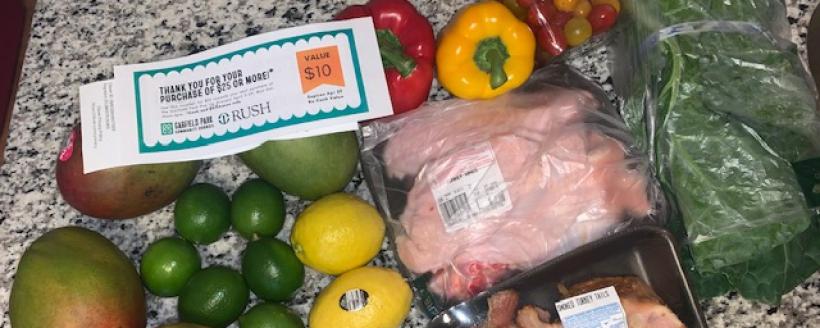
The Hardship Index score of 93 out of 100 underscores the depth of challenges. Health outcomes are directly tied to this hardship: more than 55% of adults reported moderate or serious psychological distress in 2023–2024, and chronic conditions such as asthma, diabetes, and hypertension are more prevalent here than citywide. Nearly 27% of our residents experience food insecurity, with concerns about both access and the quality of food available. Residents recall when laundromats, bakeries, and quality stores lined the blocks, but today many travel to Oak Brook for goods that once lived right here. This lack of local access to healthy, affordable food and basic amenities is a direct health barrier.
Safety is inseparable from health. Seniors report feeling unsafe, limiting their ability to participate in outdoor activities. Many of our residents feel “stuck in their homes” due to fear of crime, compounded by the absence of visible police patrols or community watch systems. Without safe walking routes, parks, and recreation spaces, opportunities for exercise and stress relief are cut off. Rising obesity and related health issues are linked to the absence of youth sports programs and organized teams that once supported both physical health and conflict resolution. Young adults, particularly those ages 18–20, have few safe spaces to gather, leaving them vulnerable to negative paths instead of health‑building opportunities.
Behavioral health is another urgent gap. Stigma prevents many from seeking help, and culturally sensitive approaches are limited. Many of our residents question whether existing services, such as those at Franciscan Outreach at 10th & Kedzie, are truly accessible, visible, and trusted. Violence prevention programs are losing funding, reducing critical community resources. Without designated safe spaces for sharing and healing, trauma compounds and contributes to poor health outcomes. Intergenerational programming is missing, leaving our youth and elders disconnected, and residents with developmental disabilities or special needs are often overlooked.
Yet Garfield Park’s wellness story is also one of resilience. Community leaders and organizations—like Erie, Bethel New Life, Peace Runners, Miles for Smiles, and Finding Justice—are planting gardens, organizing healing spaces, and advocating for policy change. Residents want outdoor spaces manicured and safe, stores restored, arts and culture revived, and systems of healing that meet people where they are—mind, body, and spirit. The Gold Dome continues to be pulsed with music and art, Madison once held three theaters, and Beidler Elementary’s family room still offers community resources. These memories and pockets of support show what is possible.
Garfield Park’s health conditions today reflect both inequity and determination. The desire is clear: close the life expectancy gap, expand behavioral health supports, restore safe recreation, and build a culture of wellness rooted in safety, connection, and collective empowerment. Health is not separate from community—it is the measure of whether our residents can thrive for generations to come.
STRATEGY 1
STRATEGY 2
Give young people healthy outlets, supportive guidance, and real opportunities to succeed on the West Side
To support the next generation on the West Side, we will give young people healthy outlets, supportive guidance, and real opportunities to thrive. By partnering with community-based organizations, we’ll identify recreational and trade activities that are low-cost, accessible, and convenient for youth and families. We’ll provide parents and caregivers with tools and support to connect their children to these resources. Through mentorship programs, we’ll foster strong relationships that encourage healthy lifestyles, build confidence, and open doors to future success—ensuring every young person in Garfield Park feels seen, supported, and inspired to lead.
STRATEGY 3
Help West Side neighbors connect, learn about themselves, and speak up together
To help our West Side neighbors connect, reflect, and raise their voices together, we will create spaces for shared learning and healing. We’ll begin by developing surveys rooted in the 8 dimensions of wellness to better understand community concerns and aspirations. Follow-up surveys will guide the creation of meaningful workshops that reflect residents’ real needs. Interest-based social groups will foster connection, creativity, and mutual support. And by building community wellness spas, we’ll offer restorative spaces where neighbors can care for their minds, bodies, and spirits—together. This strategy centers wellness as a collective journey, not a solo path.
STRATEGY 4
Expand accessible health services and intergenerational programs that support Garfield Park residents’ connection, inclusion, and well-being
To strengthen well-being across Garfield Park, we will expand easy-to-reach health services and accessible, intergenerational programs that mobilize youth, elders, and residents of all abilities. We’ll secure more funding to grow trusted facilities and programs that meet everyday needs. Community liaisons will help connect neighbors and spread the word through familiar, grassroots channels. We’ll advocate for culturally sensitive courses and policy requirements that reflect Garfield Park’s values and lived experiences. And by developing health incentive programs for youth and elders, we’ll encourage lifelong wellness, connection, and care across generations.
| Project | Lead | Partners and Potential Resources |
|---|---|
| Garfield Park Rite to Wellness Collaborative, Angela Taylor, Resident, Rush | |
| 1.1 Increase opportunities for connection and information sharing at the block level and invite residents, local politicians and businesses, especially our seniors | Earth's Remedies, ER Data Solutions, “YOU MATTER”, West Humbolt Garfield Park Community Action Council, Peace Runners 773 |
| 1.2 Broaden outreach efforts beyond social media to being more direct with flyers and brochures | "YOU MATTER”, Bethel New Life, Legler Library, Peace Runners 773 |
| 1.3 Identify free to low cost recreational groups and activities convenient and accesible to residents | "YOU MATTER”, Peace Runners, Garfield Park Conservatory Alliance, YMCA |
| Project | Lead | Partners and Potential Resources |
|---|---|
| 2.1 Partner with community based organizations to identify recreational, trade activities that are low-cost, accessible and convenient | Earth's Remedies, ER Data Solutions, “YOU MATTER”, Bethel New Life, Garfield Park Advisory Council, Greater West Town Community Development Project, Peace Runners |
| 2.2 Provide parental support to share resources with kids | Garfield Park Advisory Council, Earth's Remedies, ER Data Solutions, To Touch Life, The Legacy Families, Peace Runners 773 |
| 2.3 Establish mentorship to youth to support healthy lifestyles | Garfield Park Advisory Council, Breakthrough (BYN ),Peace Runners, Earth's Remedies |
| Project | Lead | Partners and Potential Resources |
|---|---|
| 3.1 Create surveys focusing on 8 dimensions of wellness to understand community concerns | Earth's Remedies, ER Data Solutions, "YOU MATTER”, Peace Runners 773, Garfield Park Community Council |
| 3.2 Provide follow up surveys with meaningful workshops reflective of the needs of residents | Earth's Remedies, ER Data Solutions, “YOU MATTER”, Peace Runners, The Legacy Families, Garfield Park Community Council |
| 3.3 Develop community socials groups based on interest | Peace Runners, Earth's Remedies, Rush |
| 3.4 Build community wellness spas | NO SMALL PLANS |
| Project | Lead | Partners and Potential Resources |
|---|---|
| David Teagueman, Resident | |
| 4.1 Secure more funding for facilities and programs | Bethel New Life, Peace Runners, Earth's Remedies, ER Data Solutions |
| 4.2 Engage community liaisons to connect people and get the word out | “YOU MATTER”, Bethel New Life , Earth's Remedies, Garfield Park Conservatory Alliance, the Legacy Families, Westside Community Empowerment Center, Garfield Park Community Council, Peace Runners 773, Rush, Erie Family Health Centers |
| 4.3 Advocate for culturally sensitive courses or policy requirements for Garfield Park providers | “YOU MATTER”, Westside Rising, Garfield Park Conservatory Alliance |
| 4.4 Develop health incentivize programs for youth and elders | “YOU MATTER”, Bethel New Life , Earth's Remedies, Garfield Park Conservatory Alliance, The Legacy Families, Westside Community Empowerment Center, Garfield Park Community Council, Peace Runners 773, Erie Family Health Centers |
Housing, Real Estate & Green Space
Housing, Real Estate & Green Space Goal:
Our plan is to rebuild Garfield Park as a healthy and prosperous community by prioritizing homeownership. We are committed to ensuring that all new investment and development serves the people who currently call this neighborhood home, particularly ‘legacy residents’. We will safeguard the history and beauty of Garfield Park through stabilization and revitalization of historical structures, while prioritizing current residents with financial resources, programs, and classes that support wealth-building. This includes trusts, inheritance planning, products that provide relief from reverse mortgages, and maintenance assistance. Garfield Park will also expand affordable housing and increase awareness of federal and local grants that support home purchase—especially for low-income families—so residents are not displaced but can thrive in place.
Planned Measures of Success:
- Increase businesses that reflect the needs and desires of community residents
- Increase percentage of Garfield Park residents who are homeowners
- Increase number of community‑based developers providing affordable housing
- Decrease number of foreclosures filed and property tax sales
- Increase number of homebuyers occupying formerly vacant properties
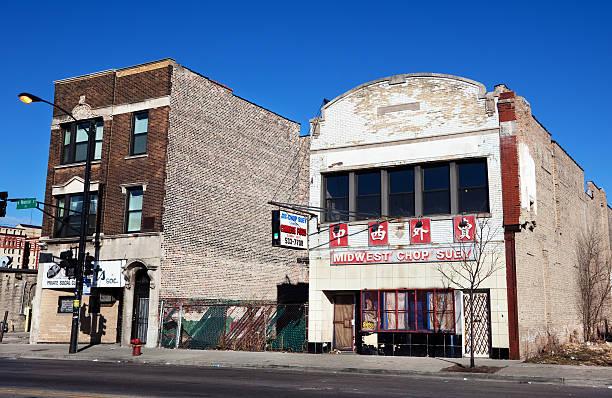
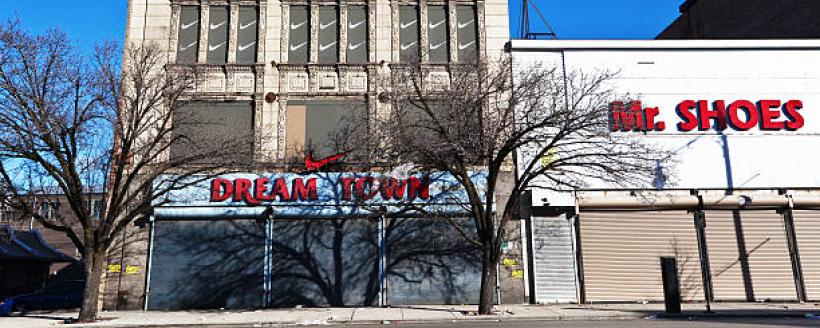
Vacancy Rates:
West Garfield Park ~23.7% of housing units vacant
East Garfield Park ~14–20%.
Renter Households: ~73% combined vs. ~55% citywide.
Green Space:
is a major asset, but tree canopy coverage is below city averages
Key Local Factors
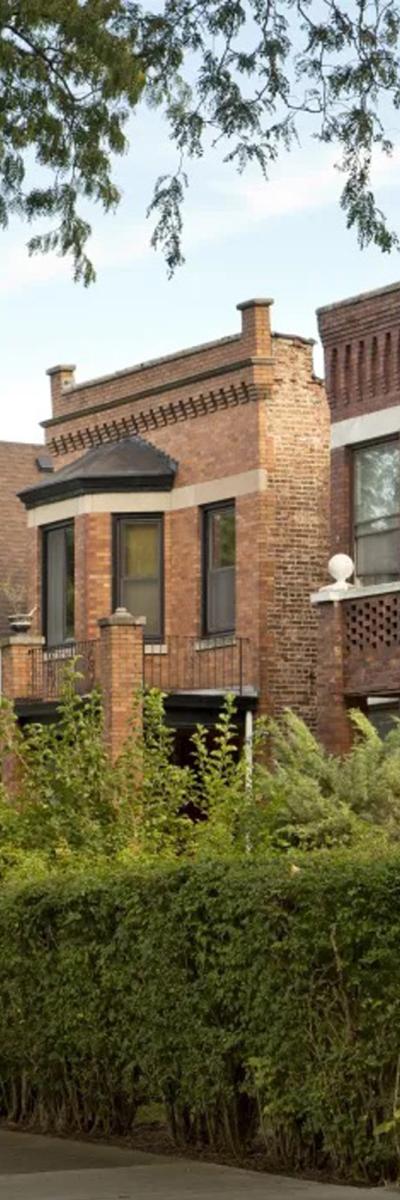
Garfield Park is a community rich in character, featuring beautiful historic homes, landmarks, and a deep-rooted history. Our long-term residents possess a wealth of knowledge and experience, actively contributing to the social and economic revitalization of the neighborhood. Despite its proximity to downtown Chicago, Garfield Park has maintained its unique identity and is now beginning to reflect a shared vision for the community's future. The neighborhood is already abundant in green spaces, including public parks, community gardens, and safety programs. These resources offer opportunities for meaningful engagement—youth programming, daily activities, and creative learning can help young people understand the value of these spaces. There are opportunities for seniors, especially those living alone, to connect with youth, young adults, and families, to foster intergenerational relationships that strengthen the neighborhood.
Despite these assets, Garfield Park faces significant challenges. Our community occupies a strategic position on Chicago's West Side, situated south of Humboldt Park, east of Oak Park and Austin, west of the Near West Side, and north of North Lawndale—all areas experiencing rapidly rising property values. Garfield Park neighbors are being hit harder than anyone else in Chicago. In 2025, the median homeowner in West Garfield Park is facing a 133% property tax increase—that’s nearly $2,000 more on top of what families were already struggling to pay. This spike comes from the Cook County reassessment, which shifted the tax burden onto our homes after commercial property values dropped.
While the citywide median tax bill rose by 16.7%, Garfield Park’s increase is far beyond that, making us the hardest‑hit community in Chicago. For families already carrying the weight of disinvestment, unemployment, and rising costs of food and housing, this tax hike feels like another blow.
Residents are asking: how can we build stability when the very roof over our heads is threatened? How can seniors on fixed incomes, or families working paycheck to paycheck, absorb such a jump? This moment calls for collective action—neighbors, block clubs, churches, and community leaders standing together to demand fairness, transparency, and relief. Garfield Park has always been resilient, but resilience should not mean bearing the heaviest burden. We deserve investment, opportunity, and policies that protect—not punish—the families who have kept this community alive.
The 1901 Project, a $7 billion catalytic mixed‑use development surrounding the United Center, represents the largest private investment in Chicago’s West Side history. With 9,500 new residential units, 2,000 affordable homes, 1,300 hotel keys, expansive office and retail space, a 6,000‑seat music venue, and 25 acres of open space, the project is projected to generate more than 30,000 construction jobs and 7,000 permanent jobs. Its scale will dramatically increase property values in the Near West Side, with ripple effects extending into Garfield Park.
For Garfield Park, this moment underscores the critical importance of local partnerships. Supporting surrounding businesses and service providers along the strip has been—and will continue to be—essential to “growing in place.” As development pressures mount, intentional collaboration between block clubs, churches, small business owners, and community organizations will ensure that Garfield Park residents benefit directly from this wave of investment. Local businesses must be strengthened to withstand rising costs, while service providers must be resourced to meet the needs of families who want to remain rooted in the neighborhood.
By building strong partnerships at the local level, Garfield Park can transform external investment into internal opportunity—protecting legacy residents, sustaining community wealth, and ensuring growth does not mean displacement but shared prosperity.
Our community has been negatively impacted by zoning and it is clear it shapes the future of where we live. Too many vacant lots—especially near transit—are still zoned for outdated industrial uses like M1-2 and M1-3, even though they sit next to homes and could become spaces for housing, grocery stores, and services we need. Over 43% of Chicago’s City-owned vacant land is in disinvested communities, and 90% of transit-accessible lots are in these neighborhoods, yet investment has been slow. This lack of development, combined with high unemployment and years of disinvestment, leaves us with limited housing options, rising rents, and fears of displacement. We want zoning that makes affordable housing possible, supports mixed-use development, and addresses gentrification concerns. At the same time, enforcement of building codes needs balance—our older buildings can’t always meet strict standards, and vacant properties often go unchecked, creating safety issues and even fueling gun violence. Our community sees solutions in rezoning for mixed-use development, equitable transit-oriented development (ETOD) to prevent displacement, and real investment in jobs, housing, youth programs, and green spaces. Zoning should work for Garfield Park—by creating opportunities that strengthen our neighborhood while keeping us, the residents, at the center.
Access to funding is also crucial to help small businesses thrive, as they are the backbone of a strong community network that supports growth and opportunity. To date, there are over 380 City-owned vacant lots in East Garfield Park alone, highlighting the need for investment and development in the area. Additionally, while there are senior housing options such as the 181-unit Fannie Emanuel Apartments and the 151-unit Irene McCoy Gaines Apartments, the demand for affordable senior housing continues to exceed supply. This underscores the importance of expanding housing options to meet the needs of our aging population.
By bringing together neighborhood groups, organizations, and residents, Garfield Park can transform the current cultural mindset into one rooted in collaboration, pride, and shared opportunity. These connections can create a foundation for lasting change, making our community stronger and more unified.
STRATEGY 1
Give residents access to information, programs, in-person support, and sustainable job opportunities to be more proactive
Garfield Park has the chance to build a stronger alliance by ensuring residents have the tools and support they need to take proactive steps in housing and economic stability. This strategy emphasizes access—workshops on home and commercial ownership, savings, and credit-building will give families practical knowledge, while trusted communication networks through churches, schools, and block clubs will ensure information reaches everyone. Digital outreach and aldermanic involvement will strengthen accountability, aligning policy with community priorities. By restoring broken relationships and creating spaces to learn and contribute, residents can move from isolation to collective action, turning shared vision into tangible progress.
STRATEGY 2
STRATEGY 3
Strengthen community bonds by encouraging teamwork, shared learning, and collective action for equity and family success
Garfield Park’s strength lies in its people, and this strategy builds on that by fostering teamwork and intergenerational learning. Youth will be engaged directly in housing and real estate processes, gaining hands-on experience in property and community stewardship. Transparency between generations will be prioritized, encouraging mutual understanding and shared accountability. Block clubs will be supported and expanded, giving residents spaces to organize and collaborate. Community gardens and energy-saving initiatives will not only improve sustainability but also create opportunities for neighbors to work side by side. These actions strengthen trust, pride, and unity, ensuring families are equipped to contribute meaningfully to Garfield Park’s long-term vitality.
STRATEGY 4
Empower residents in building businesses, owning property, and creating lasting wealth that benefits current and future generations
This strategy equips Garfield Park residents with the knowledge and resources to build lasting economic power. We will work with our schools to integrate real estate and economic training, teaching youth about renting, ownership, and taxes, while life skills programs prepare them for independence. Residents will gain access to consumer business education and financial literacy tools, ensuring they can navigate markets confidently. A central resource hub will provide workshops on real estate readiness, budgeting, and investing, making support accessible to all. Incentives will encourage youth to invest in their community, fostering ownership and long-term commitment. By combining education, mentorship, and practical resources, Garfield Park can cultivate a culture of empowerment and wealth that benefits generations to come.
STRATEGY 5
Preserve and clean our public spaces
Our youth and young adults will work together to maintain and revitalize Garfield Park’s public spaces to improve quality of life, safety, and community pride. Investments will support daily street cleaning and the hiring of additional staff to maintain parks and public areas. Residents will have access to workforce development and training programs focused on preserving local streets, green spaces, and community infrastructure. Advocacy efforts will push for time limits on unoccupied public buildings to ensure spaces are actively used and maintained. The community will organize support for ordinances requiring that real estate be owned by residents of the neighborhood, promoting local stewardship and investment. By combining practical maintenance, workforce opportunities, and policy advocacy with our young adults, Garfield Park can preserve its green spaces and public areas while strengthening local accountability, pride, and community engagement. Preserve and clean our public spaces.
| Project | Lead | Partners and Potential Resources |
|---|---|
| Geraldine Blair, Resident Garfield Park CDC | |
| 1.1 Coordinate more community organizations to host more workshops covering home or commercial purchase, savings, building your credit and other important topics | Earth's Remedies, Garfield Park Community Development Corporation, Greater West Town Community Development Project, Breakthrough CED, The Legacy Families |
| 1.2 Facilitate intentional relationships with messengers and how the information is distributed, with churches and other community based networks and institutions | Garfield Park Community Development Corporation, Garfield Park Rite to Wellness Collaborative, Mayor’s Office of Community Safety, Samantha Taylor, West Humboldt Park/Garfield Park CAC, Leaders Network |
| 1.3 Create digital and other communication methods | Earth's Remedies, ER Data Solutions, Project Forward |
| 1.4 Ensure aldermanic involvement | Garfield Park Community Development Corporation, Greater West Town Community Development Project, Westside Community Empowerment Center |
| Project | Lead | Partners and Potential Resources |
|---|---|
| Geraldine Blair Resident Garfield Park CDC | |
| 2.1 Create rent-to-own programs | Garfield Park Community Development Corporation, POAH, Connecting Capital & Community , Department of Housing & Urban Development, Oak Park Regional Housing Center (OPRHC) |
| 2.2 Develop co-ops in the community | Garfield Park Community Development Corporation, Oak Park Regional Housing Center (OPRHC) |
| 2.3 Connect community with information presented by trusted sources on the power of ownership | “YOU MATTER”, Oak Park Regional Housing Center (OPRHC), The Legacy Families |
| 2.4 Build a credit union | Garfield Park Rite to Wellness Collaborative |
| 2.5 Coordinate a community land trust and real estate equity crowdfunding | Garfield Park Community Development Corporation, Oak Park Regional Housing Center (OPRHC) |
| Project | Lead | Partners and Potential Resources |
|---|---|
| Geraldine Blair Community Resident, Garfield Park CDC, Jim Mjenzi, Resident; Lavern Herron, Resident | |
| 3.1 Develop more youth involvement in the housing and real estate process | Garfield Park CDC, NO SMALL PLANS, Oak Park Regional Housing Center (OPRHC), The Legacy Families, The Builders School |
| 3.2 Commit to transparency between the generations | Garfield Park CDC, “YOU MATTER”, Alees Edwards, The Legacy Families |
| 3.3 Support existing and establish block clubs | My Block My City My Hood, West Humboldt Park Garfield Park CAC, Talei Thompson, The Legacy Families, Saving Our Sons |
| 3.4 Develop garden spaces and energy saving approaches | Bethel New Life, Chicago Community Gardeners Association, Kuumba Tre-Ahm Community Garden, Friends of Garfield Park, Westside Cultural Alliance, Garfield Park Garden Network, Garfield Park Conservatory |
| Project | Lead | Partners and Potential Resources |
|---|---|
| The K | |
| 4.1 Educate more economic training in our schools on renting, owning and taxes of real estate | Garfield Park CDC, Oak Park Regional Housing Center (OPRHC) |
| 4.2 Create more life skills training and independent living skills for youth | Westside Rising, Youth Guidance/Youth Addition |
| 4.3 Provide more information on consumer business | Wintrust, Fawohodie Foundation |
| 4.4 Create a central resource hub offering programs such as real estate readiness events, budgeting and investing | Garfield Park Community Development Corporation, Oak Park Regional Housing Center (OPRHC), Westside Community Empowerment Center |
| 4.5 Give youth an incentive to become invested in the community | Breakthrough (West Garfield Park), NO SMALL PLANS, Earth's Remedies, The Builders School |
| 4.6 Provide more information on predatory lenders | Garfield Park Community Development Corporation, Oak Park Regional Housing Center (OPRHC), The Legacy Families |
| Project | Lead | Partners and Potential Resources |
|---|---|
| 5.1 Deliver investment in daily street cleaning and hiring of more street and park cleaners | Garfield Park Advisory Council |
| 5.2 Develop a robust workforce and trainings for residents interested in preserving our local greenlands and streets | Greater West Town Community Development Project, MAAFA Redemption Project |
| 5.3 Advocate for time limits on holding public buildings being unoccupied | GPRWC |
| 5.4 Organize an ordinance with the City requiring that real estate must be owned by residents of the community in which it is located | GPRWC |
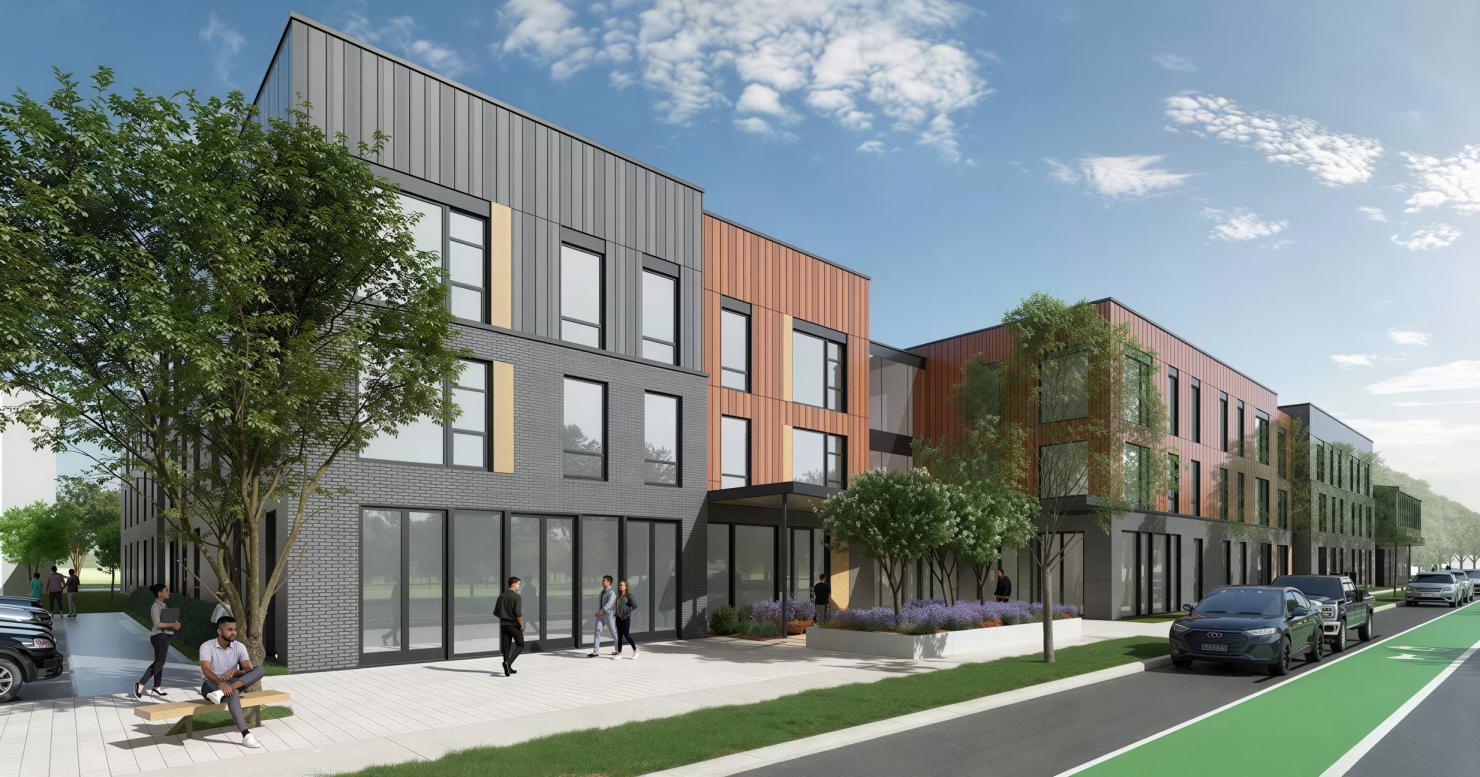
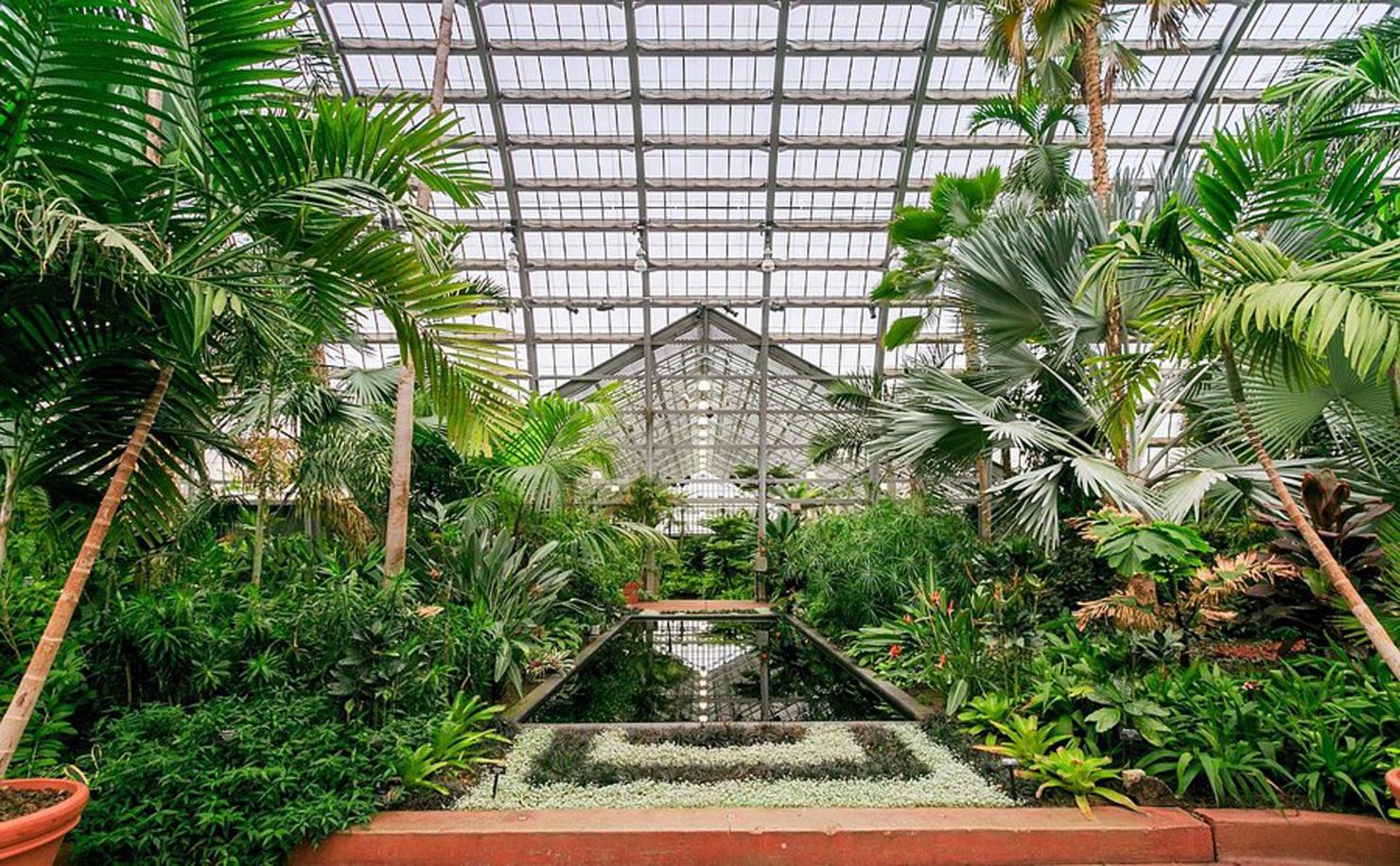
Parent & Family Support
Parent & Family Support Goal:
Garfield Park will invest the time and effort needed to support parents, grandparents, and our young people with the resources needed to maintain a healthy family, mentally, spiritually, economically and physically. We will ensure our families have a safe and walkable community with easy access to all essential services and amenities.
We envision Garfield Park as a place where families thrive through sustained investment in healing, creativity, and connection. By securing long-term funding and building a Family Support Fund, we will offer parenting workshops, childcare, and wellness programs shaped by community voice and cultural wisdom. Through strategic planning, intergenerational organizing, and partnerships between schools and places of worship, we will strengthen family bonds and create a blueprint for lasting resilience.
Planned Measures of Success:
- Increase funding secured for Garfield Park Family Support Fund
- Increase number of families participating in trauma‑informed healing programs
- Increase number of schools and places of worship collaborating to support families
- Decrease family instability linked to unmet priorities and trauma
- Increase number of family‑first curricula adopted in local schools
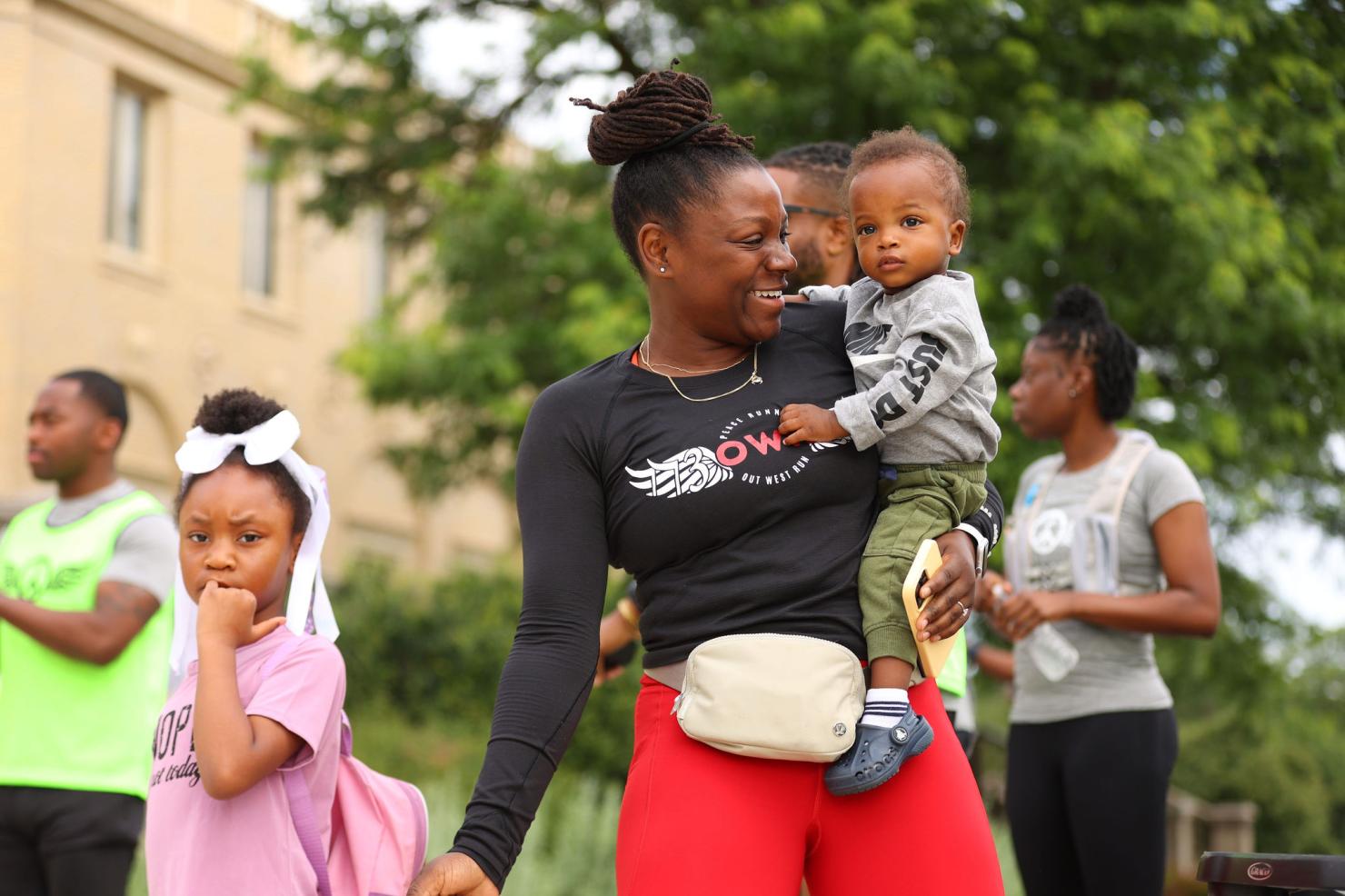
In Illinois, there are 263,890 children under the age of 18 living in homes where a relative is head of household.
More than 71,000 grandparents are caring for their grandchildren. There are more than 85,000 children being raised by kin with no parent present.
The neighborhood has a higher concentration of single-mother households than 97.7% of U.S. neighborhoods.
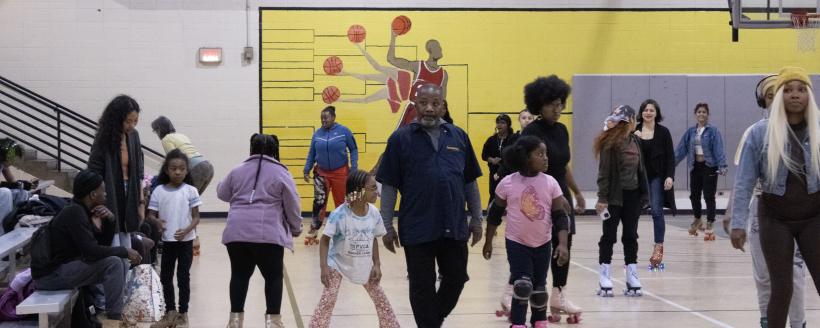
Garfield Park, disability rates are higher than the city average—
about 22% combined, compared to roughly 11% citywide
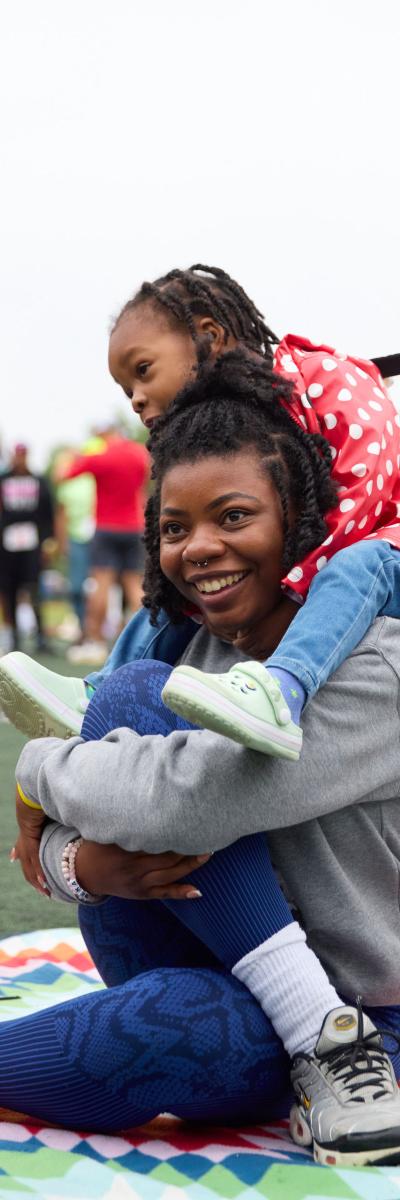
Key Local Factors
Garfield Park is reclaiming its legacy of strong families and vibrant community life through a bold, data-driven vision for Parent & Family Support. Once home to bustling laundromats, bakeries, and hardware stores, the neighborhood is now investing in the infrastructure needed to restore that sense of everyday stability and intergenerational care. Anchored by the Garfield Park Quality-of-Life Plan, this vision centers on long-term funding, trauma-informed programming, and community-led solutions that reflect the lived experiences of parents, grandparents, and youth.
Our existing assets provide a strong foundation for this work. Schools like Melody and Tilton remain anchors in the community, and initiatives such as Parent University at Melody Elementary and the family room at Beidler Elementary demonstrate how educational spaces can double as hubs for resource-sharing and healing. The Westside Parent Support Group, in partnership with Rush University, offers trauma-informed care and peer support, while churches adopting schools reflect a growing movement to bridge faith and education in service of family resilience.
Community-led efforts like Peace Runners and Light in the Night have created safe, joyful spaces for families to gather, walk, and celebrate together. Events such as the baseball season parade and intergenerational peace walks are not just symbolic—they’re strategic interventions that build trust, visibility, and pride across generations. The YOU MATTER senior organizing project adds another layer of depth, connecting elders to leadership roles and ensuring their wisdom informs neighborhood planning and youth mentorship.
Despite these accomplishments, data reveals persistent gaps that must be addressed. According to the Chicago Metropolitan Agency for Planning (CMAP), 41% of households in West Garfield Park earn less than $25,000 annually—more than double the citywide rate. Educational outcomes also reflect systemic challenges: while 82% of Garfield Park students who began high school in 2020 graduated, only 48% enrolled in college, and just 27% completed a degree or credential by 2024. These figures underscore the need for sustained investment in family support systems that extend beyond graduation and into economic mobility.
Youth engagement data also points to areas for growth. In 2024, only 34% of 8th graders in West Garfield Park participated in the Illinois Youth Survey, suggesting barriers to participation and a need for more inclusive outreach. Programs like community-in-school partnerships and churches adopting schools are promising models, but require deeper coordination and infrastructure to scale effectively.
Garfield Park’s vision is not just aspirational—it’s actionable. By investing in trauma-informed parenting support, culturally responsive curriculum development, and intergenerational organizing, the community is building a future where families are not only supported, but empowered to lead. The goal is clear: a safe, walkable neighborhood where every household has access to the mental, spiritual, economic, and physical resources needed to thrive.
This is our community’s moment to transform legacy into leadership, and resilience into renewal. With the right funding, partnerships, and accountability structures, Parent & Family Support can become the cornerstone of a self-sustaining, unified community—one where every generation is seen, valued, and equipped to build together.
STRATEGY 1
This approach begins with establishing a dedicated Garfield Park Family Support Fund to bring together City, philanthropic, and private dollars for essential services like parenting workshops, childcare, and wellness support. The strategy also calls for a major campaign to secure 20 years of sustained funding—at least $10 million annually—paired with outreach to foundations and corporations willing to make multi-decade commitments. To maintain transparency and accountability, the strategy includes producing annual community updates and outcome reports, ensuring programs remain responsive to real needs and demonstrating the impact of continued investment.
STRATEGY 2
This begins by bringing together parent groups and family support organizations from across the community to build shared goals and coordinated action. Through a structured strategic planning process, the community will examine how long-ignored priorities have contributed to family dysfunction, while also naming and understanding the subcultural norms that shape daily life. This collaborative approach ensures that solutions are grounded in real experiences and guided by the people most impacted.
STRATEGY 3
Promote creativity and opportunity through programs that strengthen family bonds
Garfield Park’s families thrive when creativity and opportunity are woven into everyday life. This strategy focuses on strengthening family bonds by centering education and community connection. This is done by producing a community‑created family‑first curriculum, ensuring that schools reflect the values, traditions, and lived experiences of local families. This blueprint empowers parents, elders, and youth to shape learning environments that honor culture and build resilience. This also includes places of worship with schools, creating partnerships that extend support beyond the classroom. By linking spiritual leaders and educators, families gain access to networks of care, mentorship, and shared resources. Together, these efforts foster unity, nurture creativity, and build a foundation where Garfield Park families can grow stronger across generations.
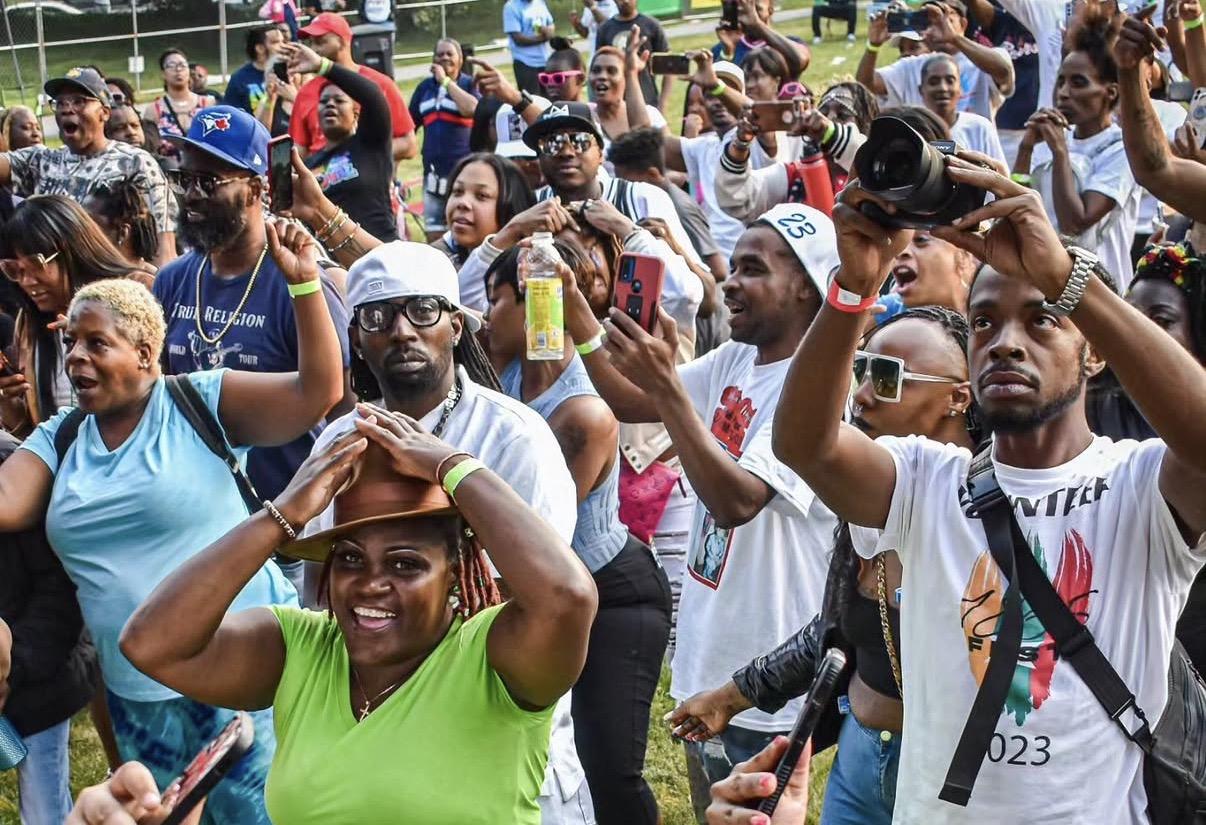
| Project | Lead | Partners and Potential Resources |
|---|---|
| 1.1 Create a dedicated Garfield Park Family Support Fund to pool City, philanthropic, and private contributions for programs like parenting workshops, childcare, and wellness support | West Humboldt Garfield Park CAC |
| 1.2 Engage foundations and corporations with multi-decade funding commitments | "YOU MATTER”, Greater West Town Community Development Project |
| 1.3 Provide annual reports and community updates showing outcomes of funded programs | Earth's Remedies |
| 1.4 Conduct annual outcome reports to ensure programs meet real needs | Earth's Remedies |
| Project | Lead | Partners and Potential Resources |
|---|---|
| CREW | |
| 2.1 Invite parent, family support groups from all over the communities to come together to organize | “YOU MATTER”, West Humboldt Park Garfield Park CAC, Garfield Park CDC, CREW |
| 2.2 Launch a strategic planning effort that shows the relationship between ignored priorities and the contribution to dysfunctional families, specifically highlighting subcultural norms | Garfield Park CDC |
| Project | Lead | Partners and Potential Resources |
|---|---|
| 3.1 Produce a community created family-first curriculum for blueprint for school systems | West Humboldt Garfield Park Community Action Council, Chicago Public Schools |
| 3.2 Match places of worship and schools to interact and seek ways to support one another | West Humboldt Garfield Park Community Action Council,CREW, The Legacy Families |
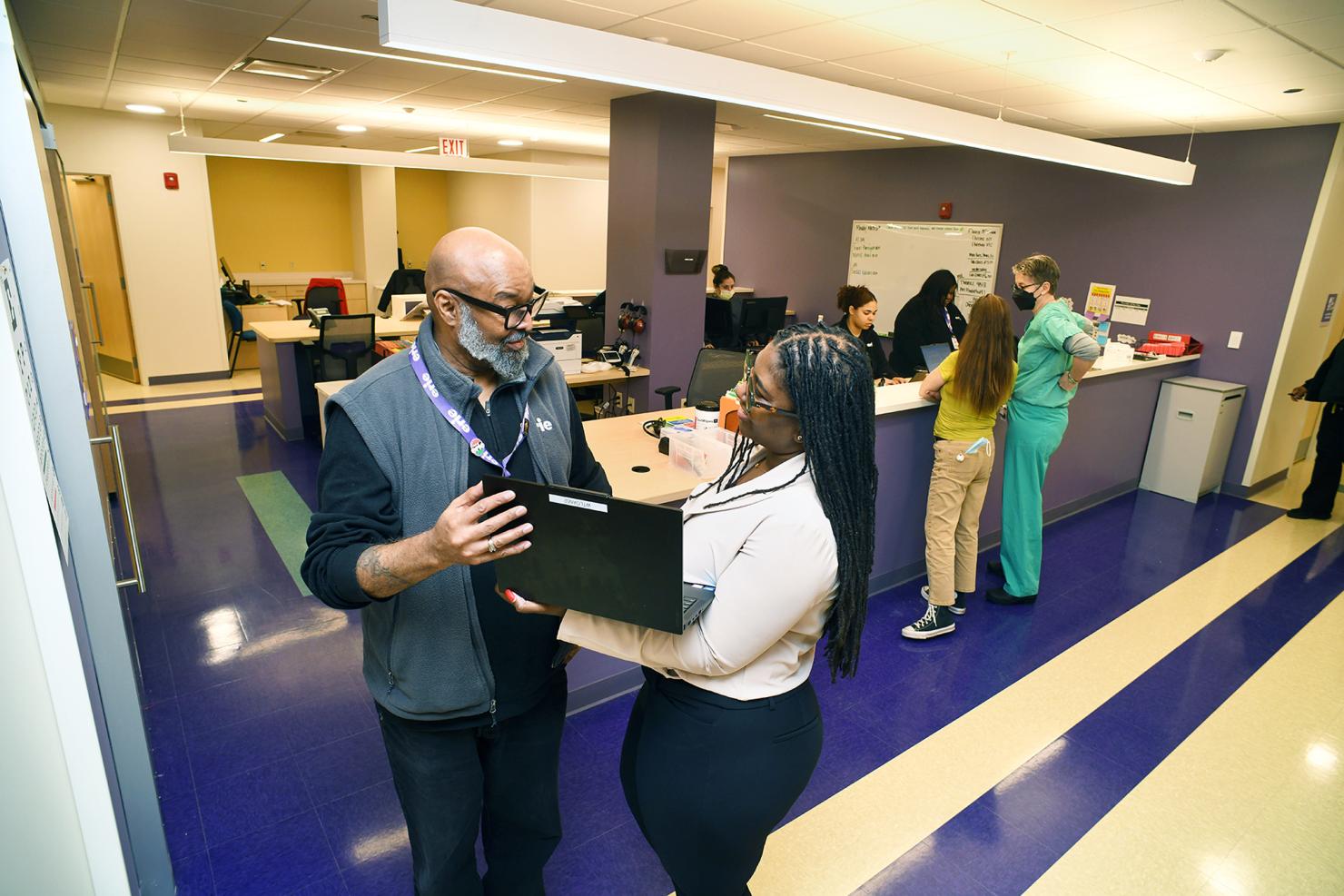
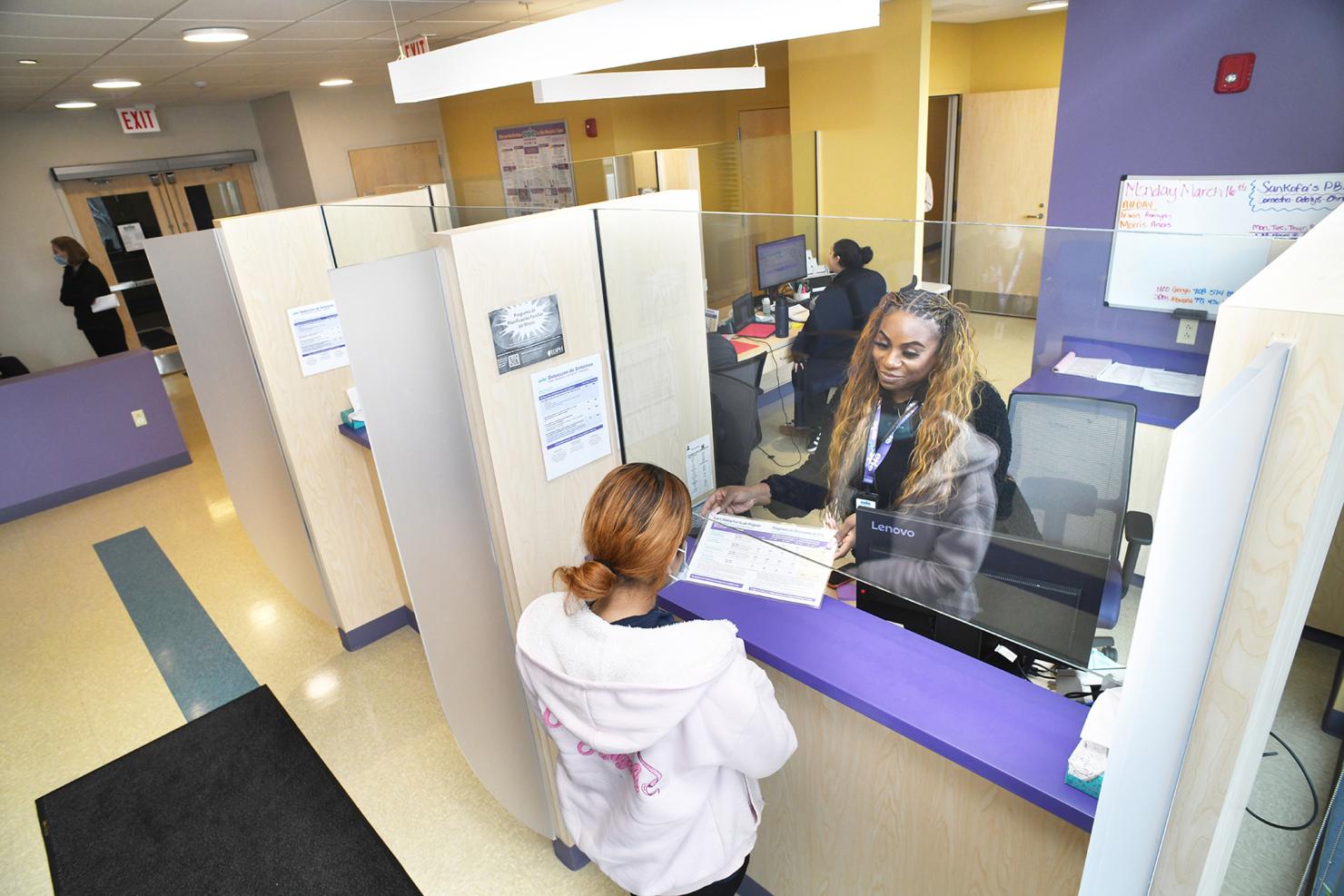
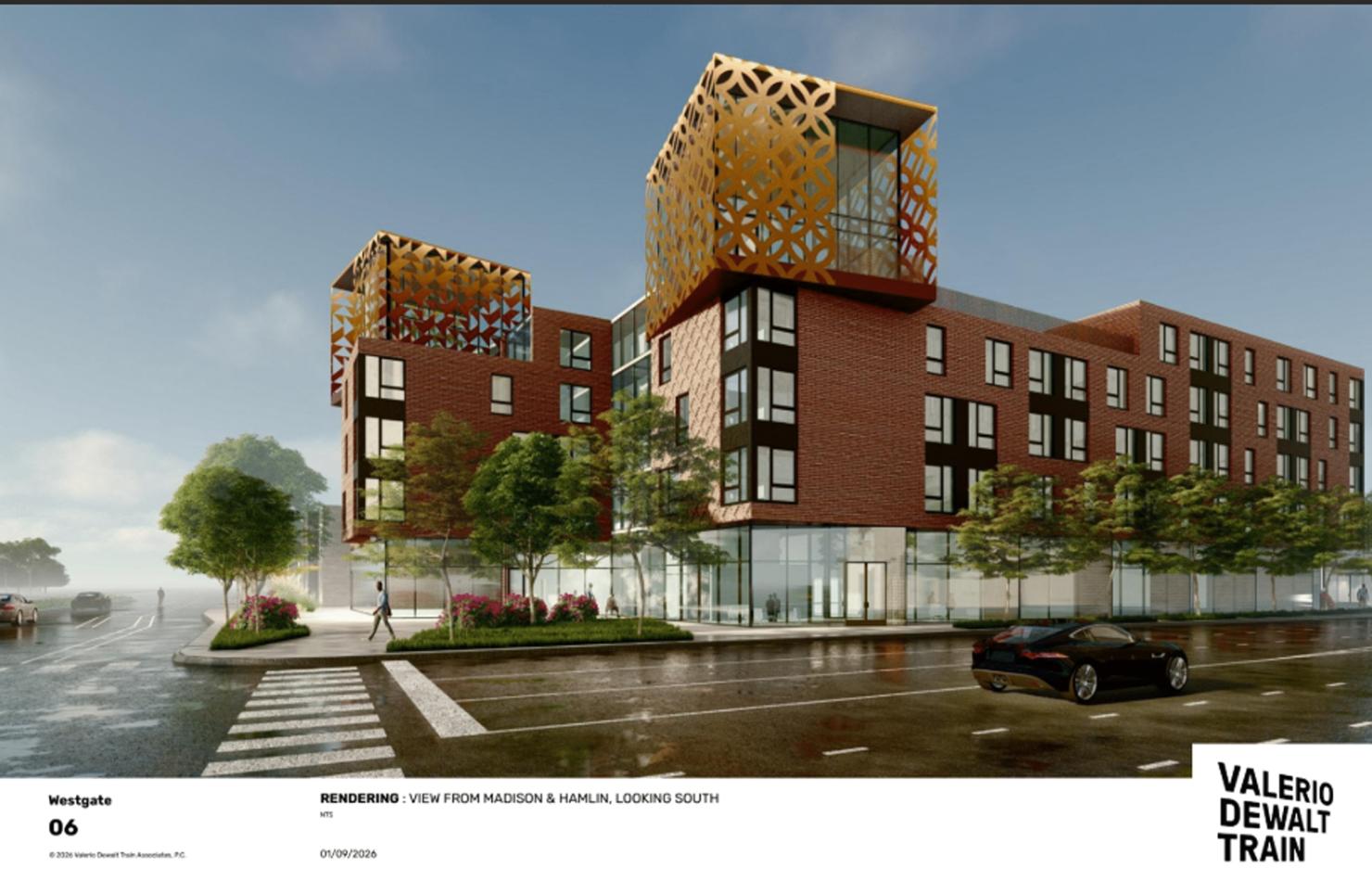
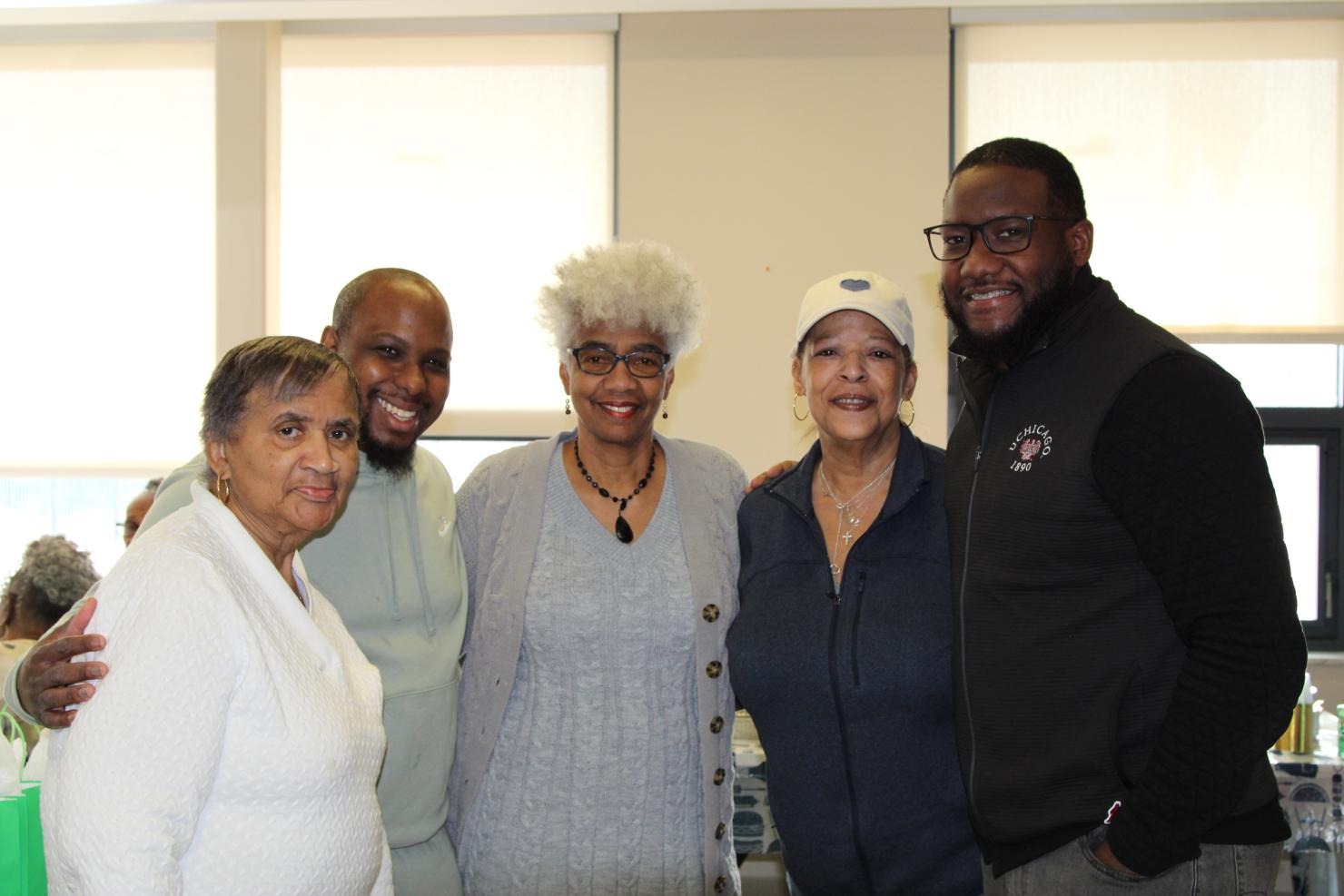
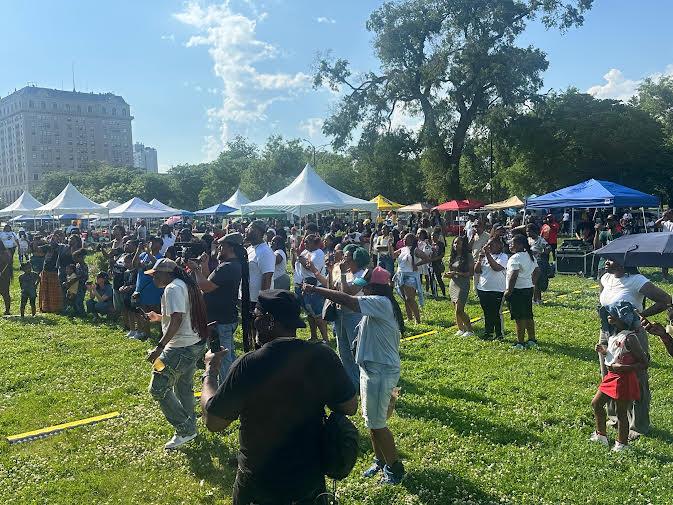
Public Safety
Public Safety Goal:
For decades, Garfield Park has endured hardship while holding fast to resilience, faith, and community pride. Our vision for public safety is bold: true security will not come from policing alone, but from strong bonds, economic opportunity, and residents reclaiming their streets with unity and purpose.
We see Garfield Park where children play freely, seniors walk with dignity, and families shop at Black‑owned businesses without fear. Violence will be replaced with opportunity, and drug use addressed through health and healing rather than punishment. Safety will mean protection for all, rooted in respect and care.
Economic vitality is inseparable from safety. Investment must flow into people, not just downtown towers. Job programs will create nontraditional paths to legitimate opportunity, honoring the skills already present in our community. Development will protect legacy residents, ensuring affordability and preventing displacement.
Block clubs, churches, and grassroots organizations will anchor safety, building trust and raising leaders from youth and adults alike. Accountability will define our relationship with police and officials—better policing, not more policing, rooted in transparency and partnership.
This is Garfield Park’s future: streets alive with pride, health, and hope, where every resident belongs and generations thrive.
Planned Measures of Success:
- Increase resident participation in oversight meetings and accountability forums
- Increase trust levels between residents and institutions measured through surveys
- Increase number of block clubs and local leadership structures strengthened
- Decrease incidents of reckless driving and unsafe public spaces
- Increase number of residents engaged in clean‑ups and neighborhood patrols
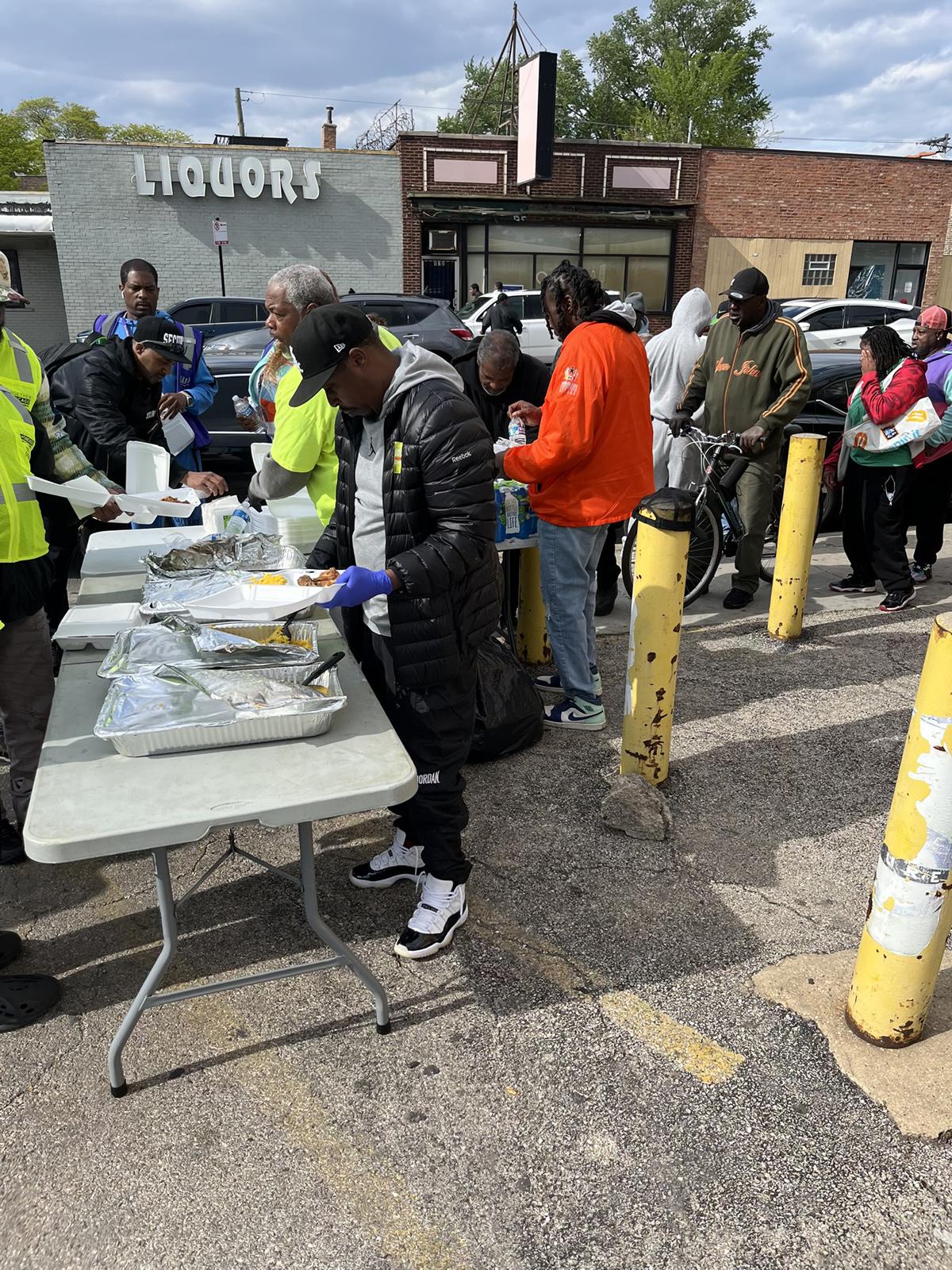
Homicide rates:
146.8 per 100,000 in the 11th District,
one of the highest in the nation
Garfield Park has fewer officers per capita compared to nearby Oak Park, where crime rates are significantly lower.
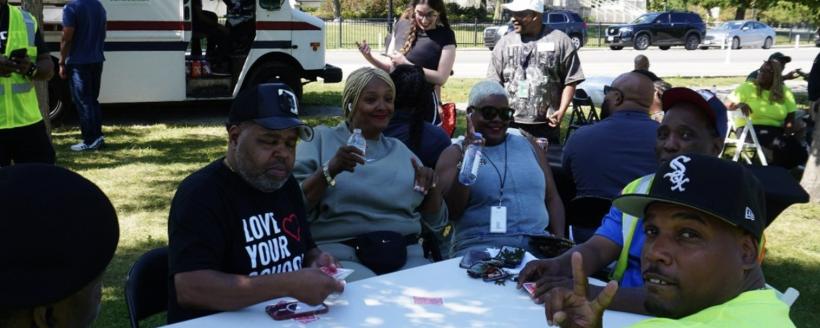
“Investments in youth, families, and neighborhood revitalization can mitigate crime and help break the cycle of violence in communities over the long run.” The Brookings Institution
Key Local Factors
Garfield Park's greatest asset has always been its people. For over three decades, faith organizations have anchored this community, with churches serving not merely as places of worship but as centers of mutual aid, advocacy, and hope. Institutions like New Mount Pilgrim Baptist Church and organizations like MAAFA Redemption Project and Breakthrough Ministries have quietly transformed lives, helping formerly incarcerated residents secure housing and employment, offering second chances when society often offers none. Block by block, residents have maintained their homes, raised families, and preserved the cultural fabric of a historically disinvestment, displacement pressures, and decades of neglect.
What often goes unrecognized is the expertise that exists within Garfield Park. Having the street-level knowledge of how communities actually function, the organizing capacity demonstrated through persistent advocacy, and the social capital built through years of neighbors looking out for neighbors. Individuals like Ant Jones of the Street Priests and Fred Seaton of the Institute for Nonviolence Chicago are indicative of the power of these organizations. Recent trends show violence beginning to decline and evidence that community-led efforts are working. These are not isolated bright spots but proof that when residents are supported and empowered, transformation is possible.
Yet honest assessment requires acknowledging persistent barriers to public safety. Open-air drug markets continue to operate with relative impunity, creating environments where residents, particularly seniors and children, feel unsafe in their own neighborhoods. Comparing Garfield Park to adjacent Oak Park reveals stark disparities: different police response times, different levels of street infrastructure investment, different access to mental health and substance treatment services. These are not accidents but reflect accumulated effects of policy choices that have systematically underserved communities.
The absence of quality, Black-owned businesses reflects both economic disinvestment and safety concerns that discourage entrepreneurship and patronage. Without legitimate economic opportunities, particularly for young people, informal economies fill the void. The lack of coordinated, well-funded block clubs means many streets lack the organized "eyes and ears" that deter crime and build collective effectiveness. Meanwhile, gentrification pressures threaten to displace legacy residents just as conditions begin improving—a cruel irony that extracts community wealth precisely when it should be building.
These public safety challenges cannot be separated from broader health outcomes. Chronic stress from living in unsafe environments contributes to hypertension, diabetes, and mental health struggles. The public health dimension of drug use demands treatment infrastructure, not just enforcement. Organizations like Habilitative Systems Inc., Oak Street Health, Sankofa Wellness Center, and Lawndale Christian Health provide critical services, yet gaps remain in accessible mental health care, substance treatment programs, and preventive wellness resources.
True public safety requires addressing root causes: creating legitimate pathways to economic opportunity, investing in youth development, improving street infrastructure with better lighting and traffic calming, and ensuring affordable housing protects long-term residents from displacement.
Garfield Park stands at an inflection point. With its strong organizational infrastructure, declining violence trends, and residents ready to lead, this community can become a national model for community-driven public safety. Imagine Garfield Park as a place where faith organizations and block clubs form an interconnected safety network, where young people see pathways to prosperity that don't require leaving their neighborhood, where Black-owned businesses thrive on safe, well-lit streets, and where comprehensive health services support whole-person wellness. This is not fantasy but an achievable reality if investments match the community's vision and residents remain at the center of decision-making. Garfield Park can lead Chicago in demonstrating that authentic public safety emerges from community power, not imposed solutions.
STRATEGY 1
STRATEGY 2
Create opportunities and spaces for community connection
This strategy recognizes that safety and vitality depend on neighbors knowing, trusting, and supporting one another. Through focused community‑building actions, it will create programs to develop community leaders—including youth—strengthen block clubs and local leadership structures, and establish opportunities for residents to communicate even in the absence of formal leaders.
By improving trust between residents and between the community and officials, and by building on strong block clubs, youth leadership programs, and regular gathering spaces, Garfield Park can cultivate the informal networks that make neighborhoods resilient. When neighbors know each other, they look out for one another, organize together, and create leadership pipelines that ensure community organizing continues into the future.
STRATEGY 3
Develop local talent while strengthening community bonds
Garfield Park possesses tremendous human capital that has been systematically undervalued and underutilized. This strategy encourages moving away from negative stories about our neighborhood. We recognize that the resilience and survival skills our residents have developed are true assets that can be used to lead our community forward. To build both individual economic opportunity and collective community pride, this strategy will work to market effective social media presence to influence youth, celebrate diverse models of success in the community and create job programs that leverage street skills. This also includes establishing nontraditional paths to legitimate opportunities and supporting residents with programs for substance treatment.
By creating more opportunities for our neighbors to succeed, we are transforming how we see ourselves and proving that Garfield Park is a place where talent is nurtured and kept at home.
STRATEGY 4
Improve street safety through environmental design
The physical environment profoundly shapes community safety and quality of life, yet Garfield Park's streets often reflect decades of neglect rather than intentional design for community well-being. This strategy recognizes that safety requires more than policing—it demands thoughtful environmental interventions that make the neighborhood more livable while building the "eyes on the street" that naturally deter crime. Through resident-centered environmental improvements, this strategy will add speed calming tactics and better lighting, enhance seating, greenery, and play areas to encourage safe gatherings, and link parks, schools, and businesses with safe walking paths. Inviting residents to help care for streets and public spaces through cleanups and neighborhood patrols.
Resident stewardship of these improvements ensures ongoing maintenance while building neighborhood pride and ownership.
| Project | Lead | Partners and Potential Resources |
|---|---|
| Institute for Nonviolence Chicago | |
| 1.1 Enhance communication between police and community | Mayor’s Office of Community Safety, Garfield Park Advisory Council, Institute for Nonviolence Chicago |
| 1.2 Work through Community Commission for Public Safety and Accountability (CCPSA) | Mayor’s Office of Community Safety |
| 1.3 Hold elected officials accountable through regular engagement | GPRWC |
| 1.4 Develop independent oversight community practice | GPRWC |
| 1.5 Educate community about accountability structures | GPRWC |
| 1.6 Organize a team of residents present for City Council meetings | City Bureau Documenters Program |
| Project | Lead | Partners and Potential Resources |
|---|---|
| Martin Coffer Resident, Breakthrough | |
| 2.1 Create programs to develop community leaders, including youth | Garfield Park Community Development Corporation, Bethel New Life, Garfield Park Conservatory Alliance, Institute for Nonviolence Chicago |
| 2.2 Enhance block clubs and local leadership structures | My Block My Hood My City, West Humboldt Park Garfield Park Community Action Council, Breakthrough, Institute for Nonviolence |
| 2.3 Create opportunities for residents to communicate in absence of established leaders | “YOU MATTER”, Garfield Park Community Development Corporation, Bethel New Life, Institute for Nonviolence |
| 2.4 Improve trust between residents and between community and officials | “YOU MATTER”, Institute for Nonviolence Chicago |
| Project | Lead | Partners and Potential Resources |
|---|---|
| 3.1 Market effective social media presence to influence youth | NO SMALL PLANS, Earth's Remedies |
| 3.2 Celebrate diverse models of success in the community | Earth's Remedies, ER Data Solutions, Institute for Nonviolence Chicago |
| 3.3 Create job programs that leverage street skills | Greater West Town Community Development Project, Institute for Nonviolence Chicago |
| 3.4 Establish nontraditional paths to legitimate opportunities | GPRWC |
| 3.5 Support residents with programs for substance treatment | Above & Beyond Family Recovery Center, Erie Family Health Centers |
| Project | Lead | Partners and Potential Resources |
|---|---|
| 4.1 Add speed calming tactics, more signage and better lighting | GPRWC |
| 4.2 Enhance seating, greenery, and play areas to encourage safe gathering | Garfield Park Advisory Council ,Chicago Park District Stewardship Program, Friends of Garfield Park, Garfield Park Conservatory |
| 4.3 Link parks, schools, and businesses with safe walking paths so people can move safely around the neighborhood | Garfield Park Advisory Council, Friends of Garfield Park |
| 4.4 Invite residents to help care for streets and public spaces through clean-ups and neighborhood patrols | "YOU MATTER”, Garfield Park Advisory Council, Friends of Garfield Park, Chicago Park District Stewardship Program, Institute for Nonviolence Chicago |
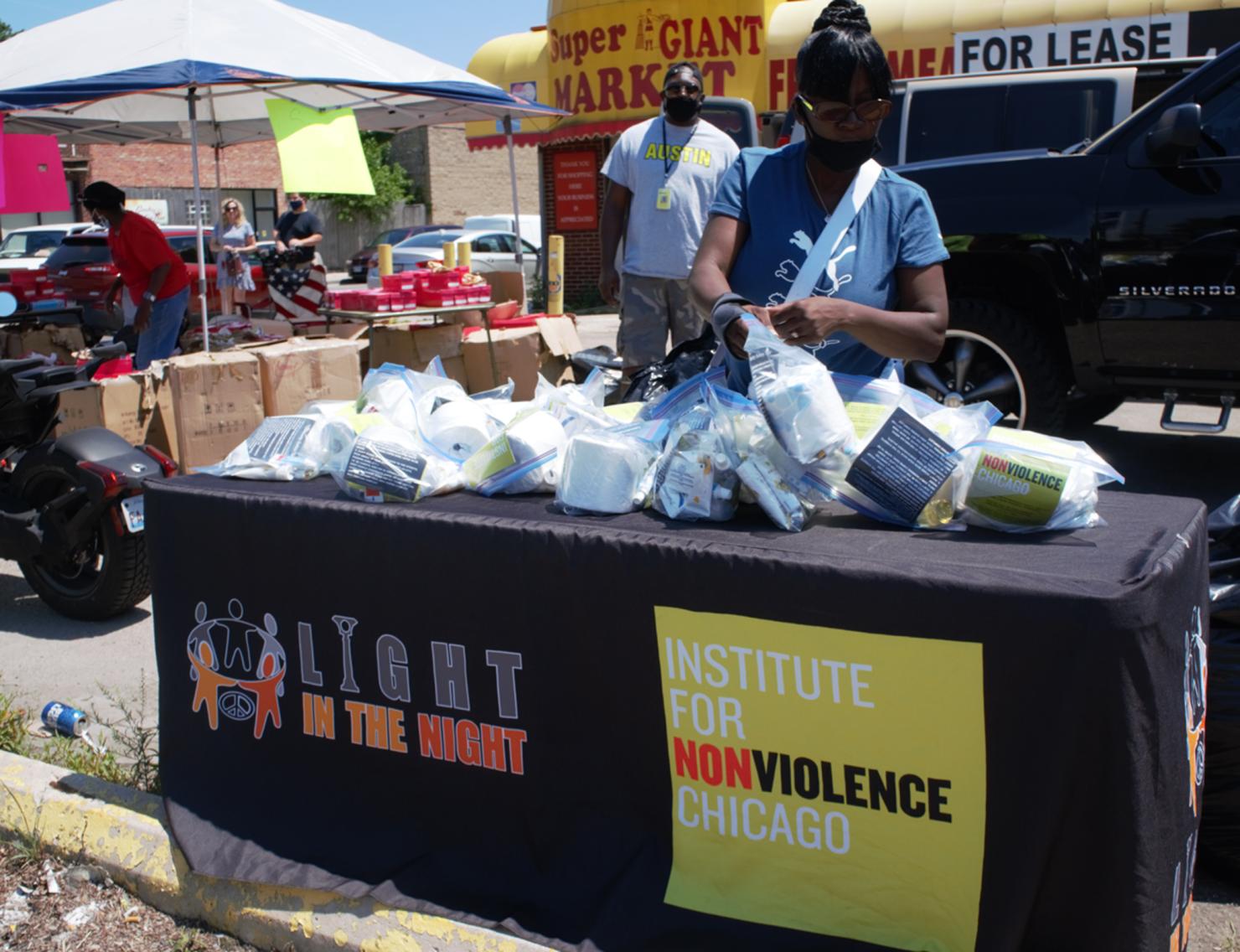
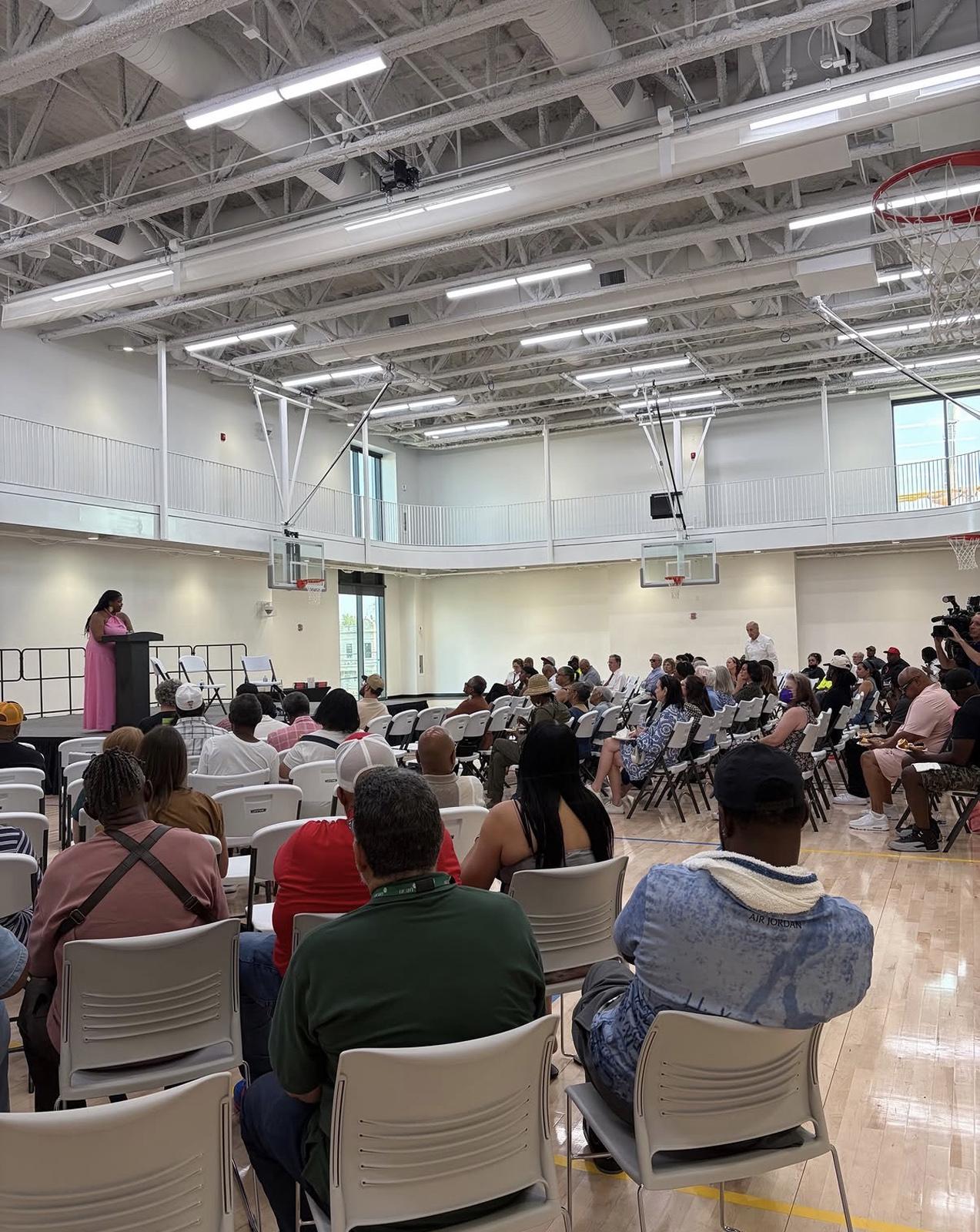
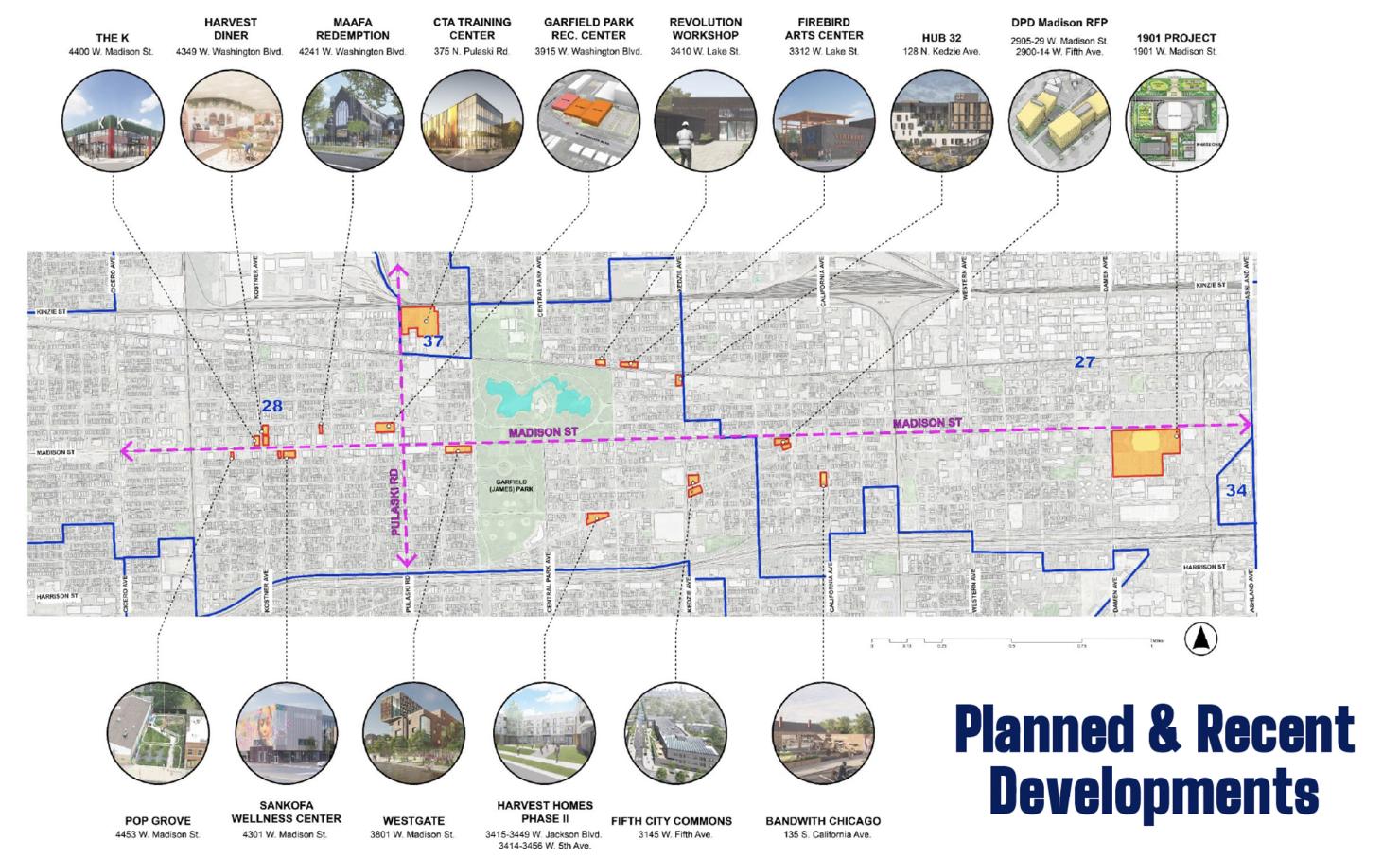
Recreation & Entertainment
Recreation & Entertainment Goal:
Garfield Park will become a vibrant hub of entertainment and recreation, where families, youth, neighbors, and visitors come together to celebrate culture, creativity, and community. We will create safe, engaging spaces where young people can gather, play sports, and explore their creativity, while ensuring access to fresh, healthy food that nourishes every household. Music, arts, and events will energize and uplift the neighborhood, and a central website will keep residents connected, informed, and able to access resources and opportunities that strengthen community life.
Together, we will reclaim and nurture these spaces so that Garfield Park residents can own, shape, and enjoy them for generations to come.
Planned Measures of Success:
- Increase attendance at recreational and entertainment events
- Increase number of community‑owned spaces available for gatherings
- Increase number of intergenerational conversations and programs hosted
- Increase representation of resident voices in recreational planning
- Increase number of community calendars and hubs used to share information
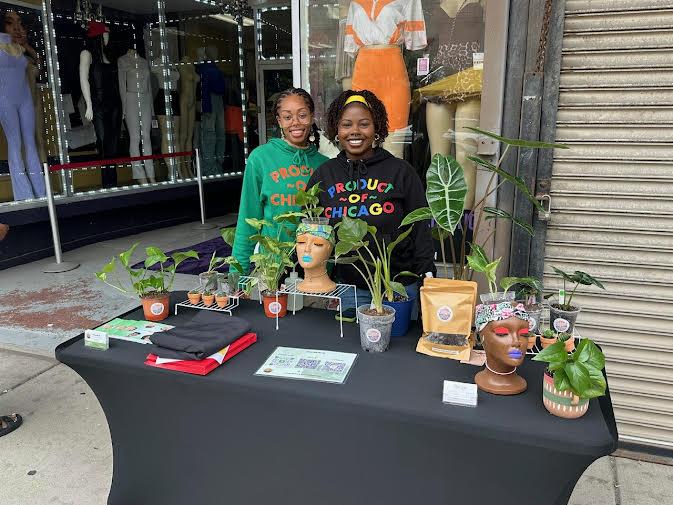
38% of households in Garfield Park do not have a vehicle,
compared to ~26% citywide
Lower access to pet-friendly green space compared to North Side neighborhoods.
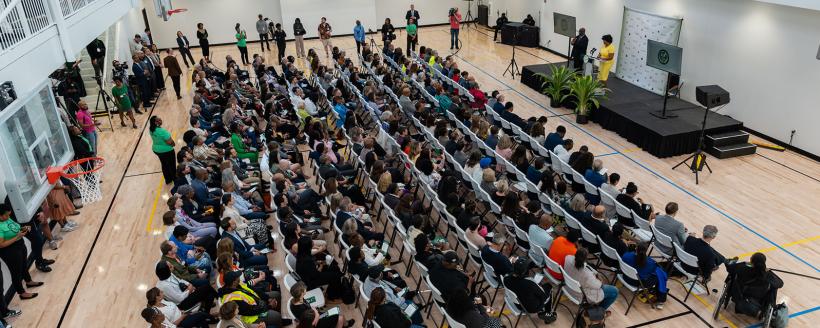
Garfield Park has fewer cultural institutions compared to downtown and North Side.
40% of households without cars rely more on walking, biking, and transit
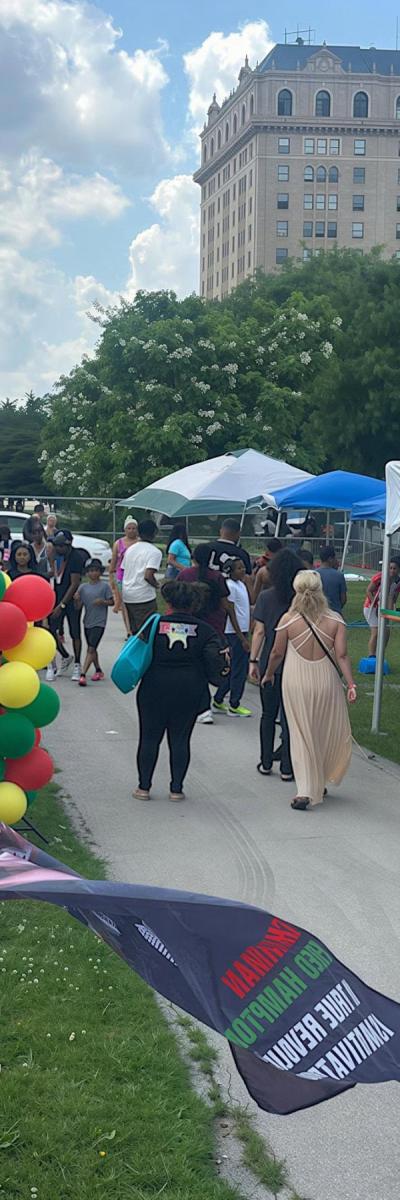
Key Local Factors
Garfield Park has always been a place alive with rhythm, competition, and creativity — a community where art, sports, and neighborhood pride pulse through every block. The people of Garfield Park have long built their own stages, courts, and gathering places that inspired generations and brought the community together in celebration of talent and resilience. From the laughter echoing in its theaters to the cheers from its basketball courts, recreation and entertainment have been the heartbeat of our neighborhood’s story.
In earlier decades, Garfield Park’s stretch of Madison Street offered more than just storefronts — it was a cultural corridor. Three theaters once lit up the avenue from Kedzie to Laramie: the Imperial Theater at 2300 W. Madison, the Malboara Theater at 4200 W. Madison, and the Kedzie Theater at Madison and Kedzie. These were spaces where families gathered, where young people first felt the wonder of the arts, and where neighbors shared a common joy in music and film. On special nights, the glow of the marquees reflected not just entertainment, but community pride.
The area also nurtured some of Chicago’s most powerful voices in gospel and performance. Reverend Milton Brunson, a Grammy Award–winning artist and founder of the Thompson Community Singers, led worship and music that filled Madison Street with spirit and hope. His church became a center for faith and artistry, shaping both local culture and national gospel history. Formed by members N.A.R.D., Belo Zero, and AK‑47, Do or Die rose to fame in the mid‑1990s with their platinum single “Po Pimp” featuring Chicago’s Own Twista, which reached #22 on the Billboard Hot 100. Do or Die’s roots in East Garfield Park remain central to their identity. Their music reflects the struggles and resilience of Chicago’s West Side, blending street narratives with smooth, melodic hooks. Beyond their chart success, they are remembered for elevating Chicago rap culture and inspiring future generations of artists. Even decades later, Do or Die continues to perform and record, carrying Garfield Park’s voice into the broader hip‑hop world.
Sports have been equally central to Garfield Park’s legacy of excellence and perseverance. From the Marshall High School women’s basketball team, led by legendary coach Dorothy Gaters, to champions like Coach Jason Fergerson, a Senior Olympian and track mentor, Garfield Park has produced athletes who transformed talent into triumph. The boat house, bandstand, and the iconic courts on Jackson and Central Park — famously featured in the film Hoop Dreams — stand as landmarks of this athletic tradition, where determination met opportunity under the open sky.
Recreation also meant gathering in spaces that built confidence and creativity. The second floor of the Garfield Park Gold Dome, once used as a theater, hosted performances and community events that showcased local talent. Youth-centered programs like After School Matters, Chicago West Music Center, and the Off the Street Club still give young people tools to express themselves and envision brighter futures. Neighborhood businesses like George’s Music Room became cultural hubs that belonged not just to Garfield Park, but to the entire West Side — proof that artistry and entrepreneurship could thrive hand in hand.
Community gardens and open spaces have long been part of Garfield Park’s fabric of connection and care. The Lilly Pond on Madison and the Touch of Life Community Garden provided peaceful retreats and living classrooms. Talent shows, trade programs, and skate rink meetups offered moments of unity, where friendship and fun came first. Generations remember these as the places where bonds were formed, dreams took root, and creativity flourished.
Today, Garfield Park carries forward that same spirit of collaboration and joy — through open mics for youth, fine arts showcases by United for Better Living, 1865 Juneteenth Fest and partnerships that continue to celebrate local excellence. The call now is to reclaim and reimagine these traditions, ensuring that recreation and entertainment remain cornerstones of community life.
Garfield Park’s story reminds us that joy, performance, and play are not luxuries — they are legacies. Our neighborhood has always been a stage for greatness, a field for champions, and a canvas for creativity. The task before us is to honor that legacy and ensure these spaces of gathering, artistry, and pride belong to Garfield Park families for generations to come.
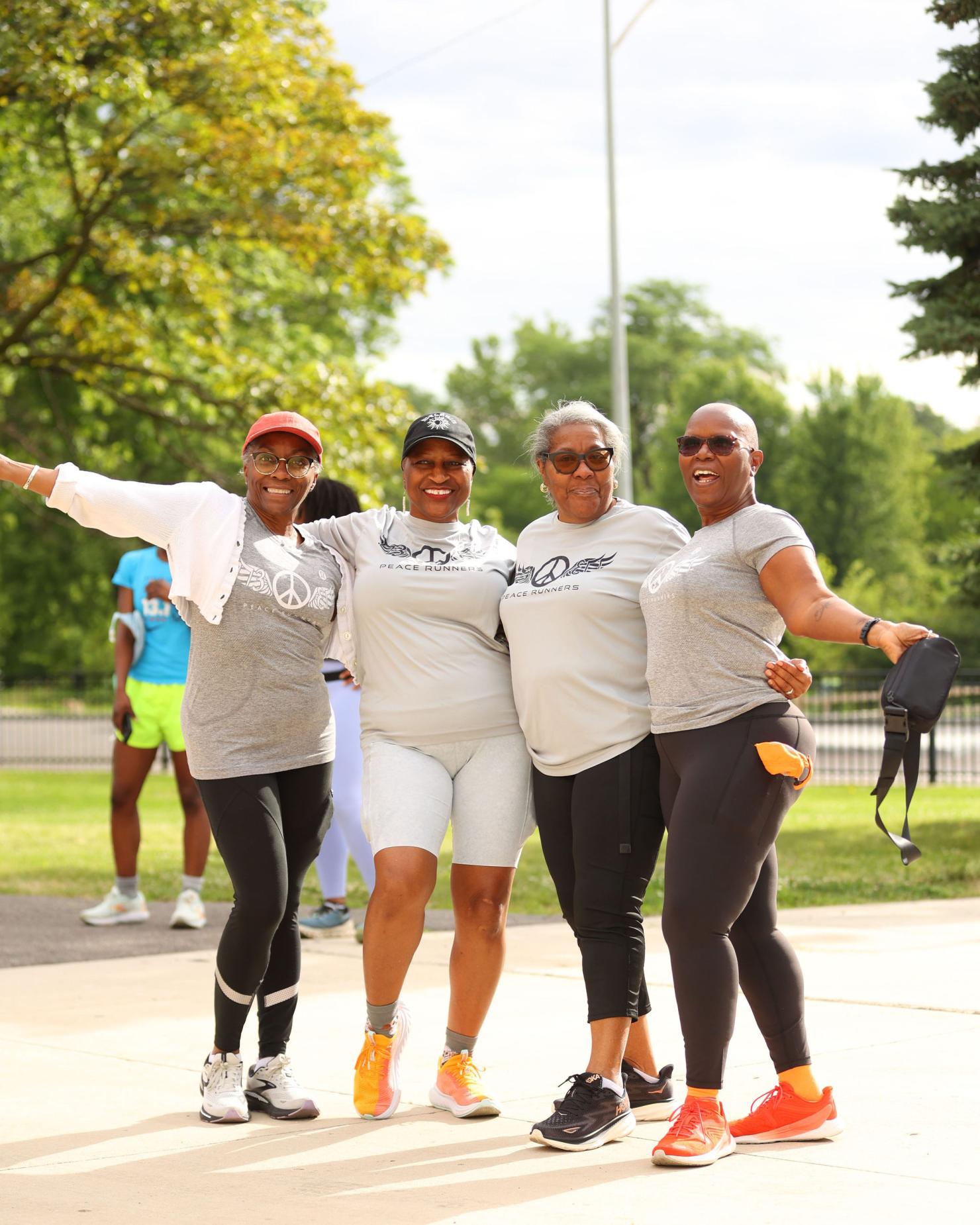
STRATEGY 1
Upgrade physical areas where neighbors can gather, connect, and build a stronger sense of community
We will transform Garfield Park’s shared spaces into welcoming places that promote connection, safety, and belonging. Revitalizing parks, plazas, and community hubs will help residents gather, host events, and build stronger ties. Many want to connect but fear crime and unsafe conditions. By improving these areas and offering low-barrier activities—like meetups, pop-ups, and youth-led cleanups—we can shift from caution to engagement. Partnering with local groups to celebrate culture and pride, and engaging those who create tension through dialogue and collaboration, will strengthen accountability, shared ownership, and community care, turning once-avoided spaces into trusted neighborhood assets.
STRATEGY 2
Develop and expand community-owned spaces that can grow with resident needs
We will develop and expand community-owned spaces that reflect resident pride, ownership, and inclusion. Many feel disconnected, saying, “We don’t own our community” and “It’s not ready to receive us.” To rebuild trust and belonging, residents must help shape and manage spaces that welcome them. We’ll promote gatherings for joy and connection, not just problems; create a shared community calendar of spaces and events for residents to use and host; and identify assets and activities already under community control. These actions strengthen collective responsibility for upkeep and restoration, ensuring Garfield Park feels open, cared for, and truly ours.
STRATEGY 3
Build inclusive programs that actively listen to and involve all community voices
We will build inclusive programs that actively listen to and involve all community voices, especially youth, elders, and marginalized residents. Many feel unheard or disconnected due to red tape, shifting resources, and limited access to creative or entrepreneurial spaces. To bridge these gaps, we will host intergenerational conversations that elevate diverse perspectives; use intentional marketing to reach non-stakeholders ; and over-communicate events through flyers, social media, texts, emails, word of mouth, and trusted community spaces. These efforts ensure everyone—especially those often overlooked—can participate, create, and lead, balancing care for Garfield Park’s natural spaces with the cultivation of human growth.
STRATEGY 4
Empower residents to act as community developers to create spaces for recreation and entertainment businesses
The Garfield Park Quality of Life Plan will empower residents to become community developers by providing them with the tools, resources, and partnerships needed to identify opportunities and lead the creation of vibrant spaces for recreation, entertainment, and community gathering. Residents will be encouraged to assess neighborhood assets and needs, develop ideas for activating vacant or underutilized spaces, connect with local businesses and investors, and help shape projects that reflect the community's vision.
| Project | Lead | Partners and Potential Resources |
|---|---|
| 1.1 Activate opportunities for community connection and networking to deepen relationships | MAAFA Redemption Project, “YOU MATTER”, Garfield Park Advisory Council , Greater West Town Community Development Project, Garfield Park Conservatory Alliance |
| 1.2 Engage with the individuals and groups with good rapport that can facilitate who are creating negative atmosphere to see what they want to have to move towards solutions | “YOU MATTER”, GPAC, Greater West Town Community Development Project |
| Project | Lead | Partners and Potential Resources |
|---|---|
| 2.1 Promote gatherings not around “a problem” but for fun and to just be | MAAFA Redemption Project, Garfield Park Advisory Council, Greater West Town Community Development Project, Westside Cultural Alliance, Chicago West Community Music Center, Garfield Park Conservatory Alliance, Chicago Park District |
| 2.2 Create a community calendar with spaces and events for community use and to host | Garfield Park Advisory Council, Chicago West Community Music Center, Garfield Park Conservatory Alliance |
| 2.3 Identify assets and activities community has control over | MAAFA Redemption Project |
| Project | Lead | Partners and Potential Resources |
|---|---|
| 3.1 Host intergenerational conversations | MAAFA Redemption Project, “YOU MATTER”, Garfield Park Rite to Wellness Collaborative, Greater West Town Community Development Project, Westside Cultural Alliance, Garfield Park Advisory Council, Garfield Park Conservatory Alliance |
| 3.2 Communicate intentional marketing to non-stakeholders | Garfield Park Conservatory Alliance |
| 3.3 Over communicate events to the community with diverse methods which include flyers, social media, texts, emails, calendar invites, word of mouth at churches and other valued places frequented by community | MAAFA Redemption Project, “YOU MATTER”, Garfield Park Rite to Wellness Collaborative, Garfield Park Advisory Council |
| 3.4 Create several landing spaces for the shared information | Garfield Park Conservatory Alliance |
| 3.5 Ensure community is represented in content brought into the community | MAAFA Redemption Project, “YOU MATTER” , Westside Cultural Alliance, Chicago West Community Music Center, Garfield Park Conservatory Alliance |
| Project | Lead | Partners and Potential Resources |
|---|---|
| 4.1 Conduct proper and consistent planning of or needs, necessities and dreams for our creative spaces | Local Initiative Support Corporation, Garfield Park Conservatory Alliance |
| 4.2 Organize community leaders with experience and talent to bring forth plans to build on community endeavors. | Greater West Town Community Development Project, Garfield Park Conservatory Alliance |
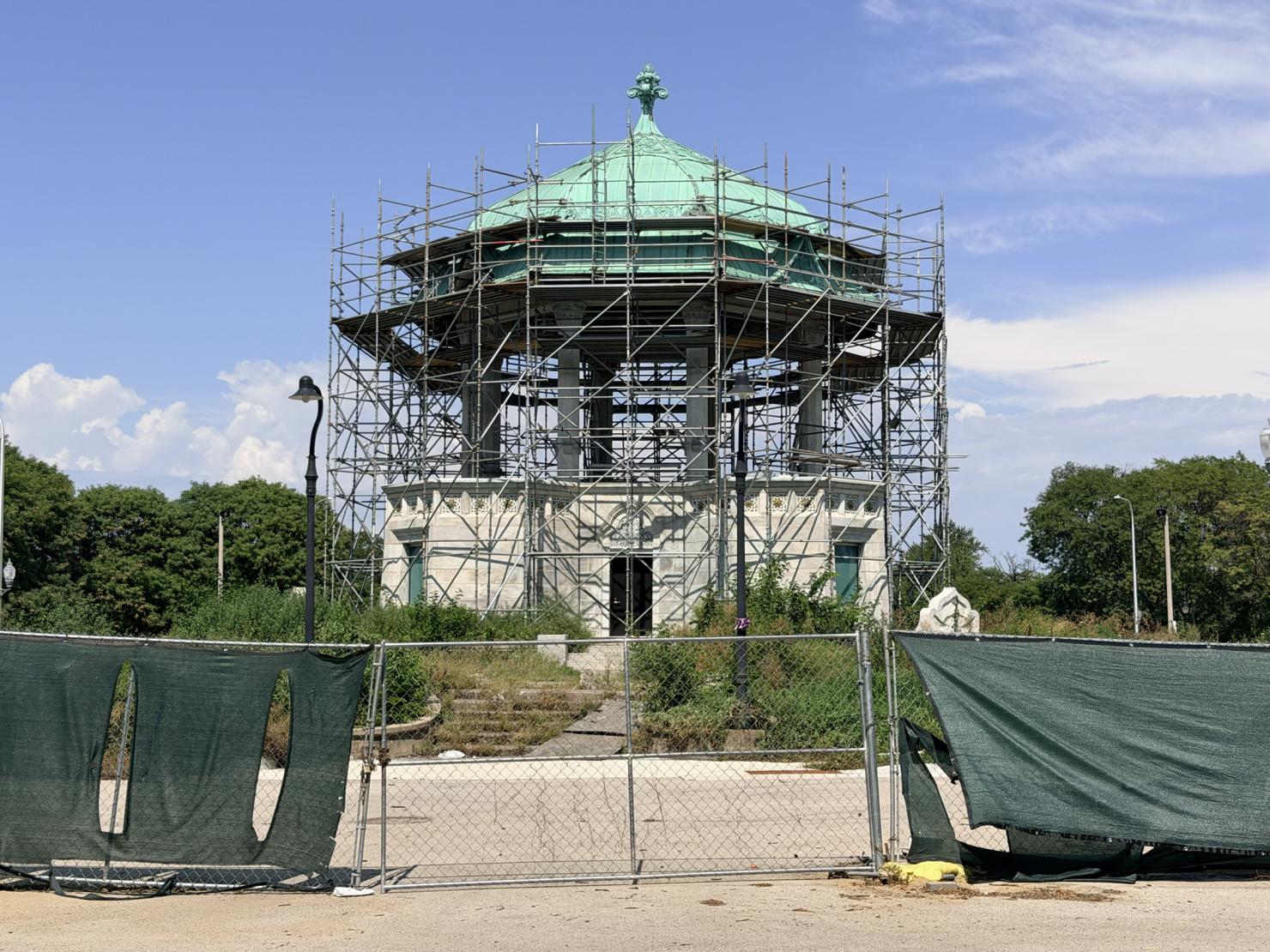
Youth Development
Youth Development Goal:
Garfield Park will be a great place with more jobs for both adults and teenagers. There will be better transportation for people who don't have cars. We'll upgrade our parks so kids and adults can have fun and relax safely. There will be safe places for young people to explore and always get home safely. We will get rid of violence and negativity, making sure everyone has a positive vibe and is treated equally.
Planned Measures of Success:
- Increase number of youth accessing stipends, mentorship, and leadership opportunities
- Increase number of youth‑driven campaigns and marketing teams active in Garfield Park
- Increase number of youth participating in skill‑building camps and career exploration programs
- Decrease barriers (financial, structural) preventing youth from accessing internships and training
- Increase number of Garfield Park youth serving as stakeholders in community investment and development
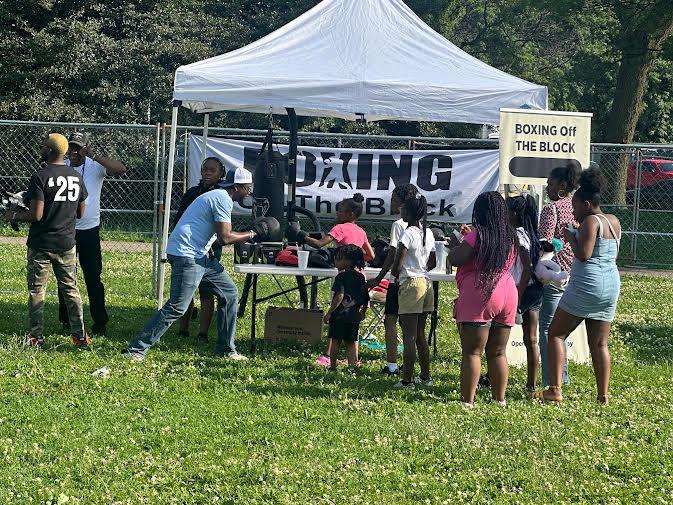
In the Garfield Park neighborhood of Chicago,
there are 21 public schools serving approximately 5,931 students for the 2025-26 school year.
Nearly 1 in 4 residents is under 19
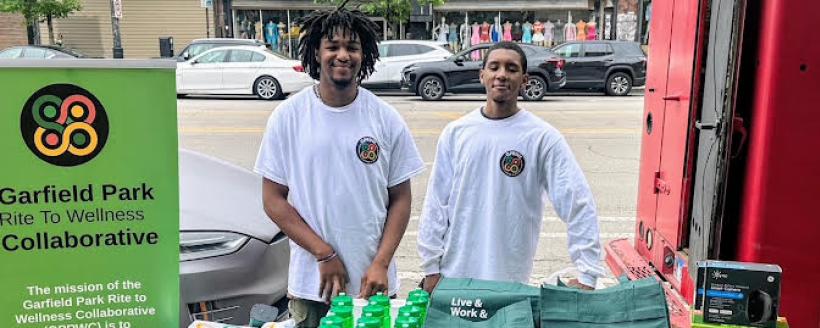
21.5% of adults do not have a high school diploma, compared to 13% citywide
Key Local Factors
Historically, our residents describe the West Side as “family,” where neighbors helped one another and worked collectively to support children and families. Youth had access to vibrant programs and safe spaces, from the Gold Dome, a central gathering place, to the Off the Street Club, where kids could play, socialize, and build skills until they reached the age of 18. Residents recall a time when the swimming pool in Garfield Park offered recreational and learning opportunities, and local institutions like Providence St. Mel and neighborhood McDonald’s created safe, structured spaces for youth engagement. Children grew up with a sense of equality and peace, connected by strong family networks and intergenerational relationships that reinforced responsibility, community pride, and collective growth. These historical accomplishments highlight the neighborhood’s legacy of collaboration, care, and opportunity for young people.
Today, however, Garfield Park’s youth face significant challenges that limit access to similar opportunities. A primary barrier is the lack of job and internship opportunities, leaving young people without pathways to gain income, professional experience, and confidence. Residents note that stereotypes about youth—perceptions that they are disengaged or undeserving—limit adult support for programs and discourage young people from participating. Cultural and household factors also play a role: some youth feel awkward or where their presence is undervalued, and some households may not prioritize involvement in community activities. Strengthening our youth-led initiatives and creating intentional spaces for leadership can empower our young people to see themselves as active contributors to Garfield Park’s revitalization.
Infrastructure and public perception are additional barriers. Our younger residents report concerns about transportation accessibility, including inconsistent public transit stops and unreliable rideshare options, which limit access to programming, jobs, and community resources. Negative narratives about the West Side, visible litter, and disinvestment reinforce perceptions of danger or neglect, further discouraging youth engagement. Many programs and facilities have closed over the years, requiring significant investment to rebuild and re-establish safe, reliable spaces for youth participation.
Safety and accountability also remain critical. Our youth and residents emphasize the need for more community-led approaches to address violence, repair trust between law enforcement and young people, and reduce reliance on policing alone. Programs that foster dialogue, restorative practices, and mentorship can help young people navigate conflict, feel supported, and remain engaged in constructive activities. Our younger residents consistently note that community engagement, shared meals, and collaborative projects can strengthen relationships and create a culture of accountability, respect, and shared responsibility.
Despite these challenges, Garfield Park retains key assets for youth development. Public parks, community gardens, Level 1 CPS schools, and longstanding institutions offering opportunities for recreation, skill-building, and mentorship. There is a foundation of youth programs and safe spaces that, with strategic investment, can expand in scope and reach.
Intergenerational relationships remain essential. Elders, residents, local businesses, and institutions—including churches, nonprofits, and anchor organizations like Erie Family Health Centers, Rush University, and the CTA Workforce Training Center—can support youth in education, vocational training, and community leadership. By centering youth voices, encouraging mentorship, and fostering a culture of teamwork, Garfield Park can revive the historic sense of family and collective responsibility that once defined the West Side.
STRATEGY 1
Support judgement free local youth leadership development and career exploration opportunities
Garfield Park youth will explore leadership and career opportunities in spaces where they feel safe, valued, and respected. By leveraging existing program spaces and expanding partnerships with mentorship initiatives, youth will gain access to hands-on experiences that build skills, confidence, and professional readiness. Digital tools, including the MyChiMyFuture app and social media campaigns, will keep youth and families informed of programs, services, and opportunities in real time. A youth-driven marketing team will ensure programming reflects their voice and priorities, making engagement relevant and appealing. To remove barriers, stipends, transportation, and essential resources will be provided, enabling all youth to participate fully in internships, training, and apprenticeships. By combining accessible opportunities, mentorship, and youth-led engagement, Garfield Park can foster leadership, career readiness, and long-term empowerment for its young residents.
STRATEGY 2
Harmonize around the shared community vision with our youth and young adults
Garfield Park youth and young adults are active participants in shaping our neighborhood’s future. By advocating for their needs and interests, the community ensures that young people have a voice in decision-making and feel supported in their growth. Programs will expose youth to opportunities for exploring adulthood with guidance, thoughtful boundaries, and real-world experiences that build responsibility and confidence. Importantly, youth will be empowered to take the lead in initiatives, programs, and projects, fostering leadership, creativity, and accountability. By aligning community efforts around a shared vision that includes the perspectives and contributions of young residents, Garfield Park can strengthen intergenerational collaboration, nurture emerging leaders, and create a neighborhood culture where youth feel valued, capable, and invested in the long-term well-being of their community.
STRATEGY 3
Eliminate unchecked police-and-community relationships to maintain accountability and community trust
The West Side is rebuilding trust between Garfield Park residents, youth, and law enforcement by ensuring accountability and fostering collaborative relationships. The community will create pipelines to inspire residents to be the change in Chicago Police Department and other service agencies, bringing local perspectives into public safety. Youth will receive education on brain development and decision-making, while age-appropriate programs will provide training in responsible safety practices. Skill-building camps will support both the physical and mental development of young people, equipping them with tools for leadership and resilience. Emphasis will be placed on community-led law enforcement initiatives and youth leadership development to ensure that public safety is guided by local voices. Additionally, police officers will be encouraged to complete mandatory certifications and psychological training to improve interactions and accountability. By combining education, mentorship, and structured accountability, Garfield Park can create safer, more trusting community-police relationships.
Strategy 4
Coordinate consistent community investment
Garfield Park will organize to ensure sustained investment in Garfield Park that benefits residents, strengthens local institutions, and empowers youth as active stakeholders. By building Black-owned healthcare systems and creating community investment vehicles, resources can be reinvested locally to drive economic growth and opportunity. Frequent youth symposiums will provide platforms for young residents to share their perspectives, shaping programs and policies that reflect their needs. Shared spaces will foster trust, collaboration, and mutual learning across generations. Vacant school buildings will be explored as hubs for community programming, including Black culture empowerment initiatives. Programs will expand to support youth transitioning into adulthood, connecting them to experiences and networks gained through After School Matters, church programs, and other local initiatives. By centering youth leadership, community-driven investment, and intergenerational collaboration, Garfield Park can build a foundation for long-term growth, equity, and empowerment.
| Project | Lead | Partners and Potential Resources |
|---|---|
| 1.1 Leverage current spaces to partners with existing programs | MAAFA Redemption Project, Garfield Park Conservatory Alliance |
| 1.2 Increase partnerships with youth mentorship programs | MAAFA Redemption Project, Garfield Park Conservatory Alliance, Chicago Public Schools |
| 1.3 Ensure the MyChiMyFuture app remains current with frequent updated programs and services | NO SMALL PLANS, Mayor's Office of Community Safety |
| 1.4 Utilize social media ads to ensure Garfield Park programs are broadcasted to reach our youth and familities | GPRWC |
| 1.5 Create a youth driven marketing team | NO SMALL PLANS, Garfield Park Conservatory Alliance |
| 1.6 Remove financial and structural barriers by funding stipends, transportation, and resources so youth can pursue internships, training, and apprenticeships without limitations | NO SMALL PLANS, Garfield Park Conservatory Alliance |
| Project | Lead | Partners and Potential Resources |
|---|---|
| 2.1 Advocate for our youth | Earth's Remedies, MAAFA Redemption Project, Chicago Public Schools |
| 2.2 Expose our young people to be able to explore being an adult with thoughtful boundaries | Earth's Remedies, MAAFA Redemption Project, ALT Space, Root 2 Fruit Youth Foundation |
| 2.3 Enable our youth to take the lead | Earth's Remedies, MAAFA Redemption Project, Westside Rising, NO SMALL PLANS, ALT Space, Root 2 Fruit Youth Foundation |
| Project | Lead | Partners and Potential Resources |
|---|---|
| 3.1 Create a pipeline to inspire more community members to become a part of community serving organizations and agencies like the Chicago Park District and Chicago Police Department | GPRWC |
| 3. 2 Teach our youth how our brain works | Youth Guidance |
| 3.3 Activate skill building camps to support physical and mental development of youth | MAAFA Redemption Project |
| 3.4 Prioritize community led law enforcement and builiding our youth leaders | MAAFA Redemption Project |
| Project | Lead | Partners and Potential Resources |
|---|---|
| The BASE Chicago | |
| 4.1 Build a community-owned health care systems | NO SMALL PLANS |
| 4.2 Collaborate to create more opportunities for community investment vehicles to invest back into our community | Greater West Town Community Development Project, The BASE Chicago |
| 4.3 Consult with youth more through frequent symposiums to check in on their perspective of our community | Greater West Town Community Development Project, The BASE Chicago, Garfield Park Conservatory Alliance - Youth Advisory Council |
| 4.4 Provide space for us to teach each other we are in it together and trust building | “YOU MATTER”, Garfield Park CDC, The BASE Chicago |
| 4.5 Investigate vacant school buildings to come hubs and increase resident empowerment programs | West Humboldt Garfield Park CAC, Garfield Park CDC, The BASE Chicago, The Gray Matter Experience |
| 4.6 Empower our youth to be stakeholders | Greater West Town Community Development Project, Garfield Park CDC, NO SMALL PLANS, The BASE Chicago, Earth's Remedies, The Gray Matter Experience |
| 4.7 Expand on programs introducing life after 18 | MAAFA Redemption Project, The BASE Chicago, The Gray Matter Experience |
| 4.8 Connect youth to leverage experience after completing youth programs like After School Matters and church programs | MAAFA Redemption Project, The BASE Chicago, The Gray Matter Experience |
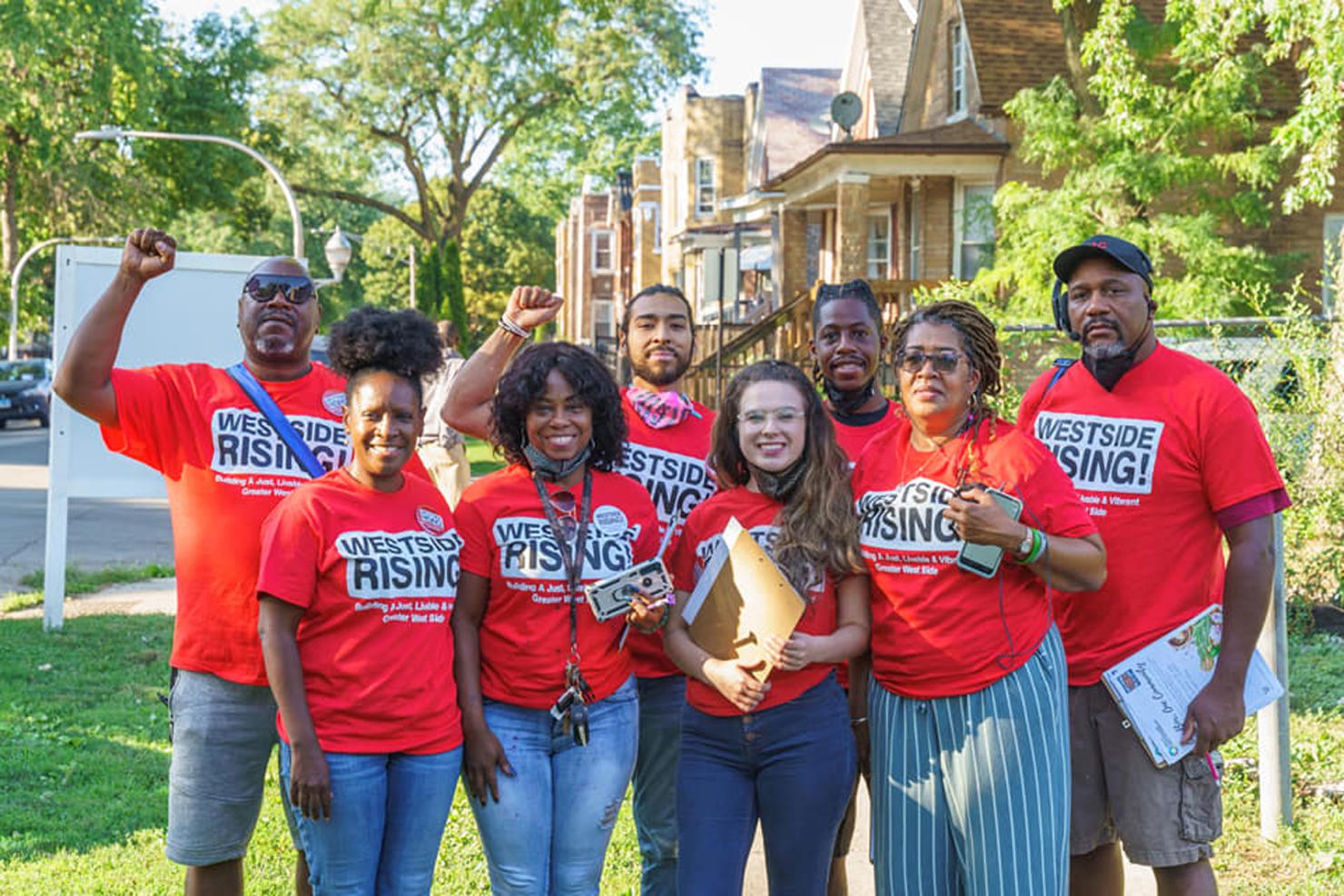
The Planning Process
The Garfield Park Quality-of-Life Plan is the product of perseverance, brainstorming, community experience, outreach, hard work, and growing relationships. Bridging two community areas unified by Garfield Park, the planning process drew input from hundreds of residents and dialogue among dozens of stakeholders over more than a year. Together, they explored how Garfield Park can move forward—distinct in its voices, yet united in its vision.
This process builds on years of engagement and was co-led in partnership with longstanding community stakeholders to support the direction of the Garfield Park Rite to Wellness Collaborative. That partnership, focused on addressing the life expectancy gap, began in January 2020 with the Chicago office of the LISC to create a Quality-of-Life Plan for the Garfield Park community.
In 2023, Garfield Park re-launched an unprecedented effort to bring residents and local leaders together, creating synergy and shared purpose. By October 2024, leaders signed on as the Advisory Committee—community stakeholders and experts who met regularly for nearly a year to develop strategies aligned with and committed to the plan’s core values:
- Respect for ourselves and our community
- Authentically showing up and creating inclusive space for all in Garfield Park
- Centering integrity, accountability, and transparency in our work
- Honoring our collective history, culture, and community
- Being resilient in our commitments and continuing to show up
- Prioritizing clear and consistent communication
- Building trust among ourselves and the Garfield Park community
- Faith in ourselves and each other
Building on earlier planning efforts, the community established nine focus areas. On July 23 and August 13, 2025, more than 200 Garfield Park residents, elected officials, and representatives from local organizations and businesses gathered at Beidler Elementary School and St. Michael Missionary Baptist Church for community roundtables. These sessions centered on visioning workshops focused on actions that, over the next five years, could restore access to hope and health in the community.
Ideas from the working groups were presented at two additional community summits—on September 8 and September 25, 2025—where more than 100 participants reviewed proposed programs and actions. Residents identified which initiatives they were most eager to launch immediately and which held the greatest potential for transformation.
Based on this input, the working groups finalized a set of strategies and projects, presented at the seventh summit on October 28, 2025, along with an initial call for Implementation Partners. Over 100 stakeholders committed to ensuring support and provided feedback.
In addition to these public meetings, the Garfield Park Rite to Wellness Collaborative staff, Advisory Committee, and other leaders held numerous one-on-one conversations with local stakeholders and presented the plan at community gatherings to support implementation.
In total, more than 1,500 people contributed their time, ideas, and energy to the Garfield Park Quality-of-Life Plan—refining strategies and deepening relationships. We are now ready to activate these strategies and use those relationships to bring the programs outlined in this document to life, preserving and uplifting our residents while transforming Garfield Park into a culturally rich, thriving community for all.
Community Attendees
Ahamaya Ross
Aisha Oliver
Al Stinson
Alana Hodgins
Alees Edwards
Alfred Beard
Alice Viana
Alicia Mooney
Alicia Serna
Alicia Simmons
Alisha Johnson
Allen Batts
Allie Gonzalez
Ally Schwinke
Alyssa Lehman
Amari Samuels
America McClure
Ameria Young
Amanda Reamer
Amber Hunt
Amelia Smith
Ana Martinez
Anayanci Calderon
Andre Goode
Andrea Lewis
Andrew Ulrich
Angela Delacueva
Angela Taylor
Angel Collins
Angel Ollison
Angelina Griggs
Angelique Orr
Annet Miranda
Anthony Maloni
Antoinette Crofford
Ant Jones
Antwon Jennings
Arielle “A.T” Tyler
Armoni Blake
Arterea Jackson Redmond
Aretha Serdell
Ariana Miller
Ariana Perkins
Arnisa Schaffer
Ashley Black
Ashley Howard
Ashley Pipes
Ashley Wells
Asharee Simpson
Azarius Williams
Barbara Grayer
Barbara Meschino
Barbara Raphoon
Barbra Stewart
Bartholomew Allen
Basia Braboy
Bettey Jean Miles
Benjamin Johnson
Beth Tumiel
Brekamia Johnson
Briana Kelly
Briana Patrice
Brian Ward
Britney Robbins
Brooklyn Henry
Bryan Ramson
Camille Hamilton
Camille Joy
Candace Hayden
Candace Young
Candice Collins
Carmen Ard
Carmen Santoyo
Carla Anora
Carl Hurlick
Carlos Reyes
Carmelita Satterwhite
Caroline Marzec
Carol Johnson
Cassie F. Juste
Cassandra Walker
Cassandra Walton
Catherine Kozisek
Cecelia Blue‑Ford
Celeste Parker
Chakyla Parker
Chaundra VanDyk‑McGee
Cherry Guise
Cheryl Kirkwood
Cheryl Scott Donegan
Chloe Williams
Chrissy Graves
Christopher Kruger
Christel Ward
Claire Kormanik
Claude Robinson
Cloe Jones
Connie Mitchell
Cortez Williams
Crystal Torres
Cynthia Davis
Cynthia Rectenwal
Daevon Reynolds
Daivion Brooks
Dakota Brown
Damaje Carter
Damari Thomas
Danasia Brooks
Danielle Bell
Danielle Crayton
Danielle Evans
Danielle Hamilton‑Goldsmith
Danielle Monninger
Danny B. Weatherby II
Dan Rooney
Danyale Pollard
Darius Jones
Darius Williams
David Ansell
David English
David Kozisek
David Miller
Dayquan Rollins
Deborah Crawford
Deja Brown
Dejari Spencer
Demya Davis
Deniah Hill
Derrion Barnes
Destiny Young
Devontae Lomax
DeWayne McClain
Diane Warren
Dillon Carer
Domonique Harris
Dominique Richardson
Donterius Holman
Drea Slaughter
Dylan Robers
E. Pews
Edward Braboy
Elena Carr
Elena Perez
Elena Torres Bollar
Ellen Andrews
Ellen Chalstrom
Elizabeth Gilmore
Elizabeth Holzman
Ellen Thompson
Emina Rebronja
Emma Hill
Eric Blunt
Eric Davis
Eric Hendricks
Erica Pierce
Erika Quezada
Erin Olson
Esteban Lopez
Ethan Williams
Fabian Robles
Farhan Khan
Felisa Brown
Fermina Keating
Fred Eaton
Gabriel Quinones
Geri Cox‑Smith
Geraldine Blair
George Almanza
George Meier
George Sarantos
Gina Jamison
Gladys Hunt
Grace Robinson
Gregory Galotta
Gregory Matthews
Hannah Jefferson
Herman Wilkerson
Heaven Rankins
Henry Cotton
Howard Frye
Ibrahim Sall
Iris McKinzie
Isaiah Frandsen
Ivan Ortiz
Izel McDonald
J. Williams
Jackie Hoffman
Jacquee Coffer
Jacqueline Canty
Jada Jones
Jada Shorter
Jahj Meadows
Jakahira Harris
Jakayla Lyons
Jalyn Roberts
Jaylin Sanders
Jamal Cooper‑El
Jamaya Frierson
James Dorrell
James McDonagh
Janae Thomas
Janaila Thompson
Janaya Simpson
Janelle Miler
Janiae Miller
Janiya Blake
Janiya Smith
Jasmine Edwards
Jasmine Jones
Jazmin Means
Jasmine Michaels
Jashawnna Tillis
Jashyra Hughes
Jason Ferguson
Jay Burnett
Jayda Harris
Jaylin Brown
Jeanette Butala
Jeffery Heard
Jeffery Kelly
Jelisa Liggins
Jeranaya Simmons
Jerome Dowdy
Jerome Scott
Jessie Hudson
Jertheus Butts
Jibran Baber
Jim Mjenzi
Jim Ortiz
Jim Rojahn
Jocelyn Wilcox
Jocelyn Woodards
Jodi Richardson
Johnetta Robins
John Hansen
John Lewis
John Shorter
John Shorter II
John Stachelski
John Trager
Johnny Jones
Jomekia Davis
Jona May Gimeno
Jonathan Mathis
Johnathon Dowdy
Johnathon Kelly
Jonathon Seals
Jorge Cruz
Jose Hernandez
Joseph Johnson
Joseph Williams
Joshua Flores
Joshua Simmons
Joy Baguio
Joyce Champs
Joyce Scott
Juell Stewart
Julia Stevens
Julie Jovan
Juliya Henderson
Justin Hill
Juwanna Gant
Kai Matlock
Kahdmiel Bradley
Kamren Anderson
Kamiya Jones
Karen Barnard
Karen Peterson
Karen Washington
Katrice Barber‑Fisher
Kathleen Freeman
Kathleen Gipson
Katie Owens
Kayla Tillis
Kedar Tillis
Keisha Fillmore
Keith Muhammad
Keisha Thomas
Keveon Davis
Keyanna Baker
Keyontae Sykes
Keyonna Little
Khudeja Ameer Ansari
Khalid Oluewu
Kimbrolee Patton‑Manuel
Kimberly Campbell
Kimberly Minor
Kimberly Reynolds
Kimyata Davis
Korin Wethersby
Kori Taylor
Krissandra Taylor‑Walker
Krystal Bryant
Kwame Johnson
Kyle Warner
Kyla King
Kyla Lavon
LaCreshia Brits
LaBreya Berry
LaKeetha Adams
Lamariyae Green
Lamariyae Barnes
Lamaria Banks
Lamiya Anderson
Lance Gillion
Lashawn Moore
Latasha Ballentine
Latina King
Latonya Booker
Latoya Jones
LaVonna Woorfork
Layla Henderson
Leah Press
Lee Francis
Leonard Goss
Leonard Mayes
Lena Howell
Lillian McAphee Jackson
Linda Botello
Linda Higgs
Linda Montgomey
Linda Thomas
Lisa Parker
Lisa Schneider Fabes
Lisette Thomas
Londyn Rasberry
Lori Moore
Louis Johnson
Luwayne Harris
Lydia Perry
Lydia Poston
Lyniah Stewart
Makai Spener
Malachi Carr
Malcolm Davis
Major Purnell
Malaya Mays
Malcolm Bryant
Malani Garcia
Malik Thomas
Mallory Martin
Maria Cleveland
Maria Iannantuoni
Mariah Townsend
Maraguerite Pearson
Marcus Bradley
Marcus Eckhols
Marcus Mitchell
Marcus Pass
Marcus Suggs
Marian Prude
Marian Towns
Marisha Ecford
Marissa Smith
Markieta Wright
Marshall Hatch Jr.
Marshall Hatch Sr.
Martin Horner
Mary Fran Riley
Mattie Wilson
Matthew Geesaman
Matthew Wendel
Maurice Brown
May Henderson
Megan Adsmond
Megan Boyer
Megan Gorman
Melody Brooks
Mercedes Pinkett
Meredith Stevenson
Michael Dowdy
Michael Wolk
Michelle Newman
Michelle Nunez
Mikaela Walker
Miriyah Miller
Molly Corbitt
Monica Howard
Monika Thompson
Mya Harris
My’Kayah Brazelton
Naomi Buford
Nastajia Sauls
Nate Simpson
Nayeli Keller
Nellie Bailey
Nia King
Nicholas Reynolds
Nicole Miodonski
Nikki Crowder
Nusirat Olaniran
Nyla King
Octavius Davis
Okia Patton
Olivia Jones
Osman Qureshi
Paige Etheridge
Patricia Lewis
Patricia Martinez
Patricia Robinson
Patricia Rodgers
Patricia Starnes
Patrica Lyles
Pearl Tellmann
Pierre Monegan
Porsche Cook
Princess “Ya‑Ya” Beecham
Priscilla Hatch
Quentaveon Slaughter
Quentin Harris
Quinn Alfred
Rachel Gorski‑Caine
Rashad Lyons
Ray James
Rebecca MacDonald
Rebecca Woods
Reginald Berry Sr.
Remel Terry
Renita Carter
Renee Kallok
Renee Mayes
Riyale Garron
Robert Corradetti
Robert Ervin Jr.
Robert Kilpatrick
Robert Sykes
Rodney States
Roderick Haygood
Ronald Berdell
Rosamond Shorter‑Lewis
Rosemary Smith
Rosana Skalsky
Roshena Jones
Roynetta Tripp
Ruby Taylor
Sabrina Gougis
Sabrina McMullen
Sadie Watkins
Sally Ann Joanis
Sam Smith
Samantha Moore
Sandra Murphy
Sandra Rance
Sarah Houlihan
Sarah Simanskey
Sarah Spadoni
Sasha Thomas
Shemmer Lesley
Shaliyah Beckwood
Shaniya Peterson
Shannon Clark
Shaquisha Clark
Shaunte Goins
Shayla Graves
Sheena Fulton
Sheila McNary
Sheila Vinson
Sherin Thomas
Sherisse Freeney
Shirin Rezai
Shirley McLaurine
Shnia Davis
Sikara Freeman
Simone McCary
Skylar Analise Clark
Snezana Vujicic
Sofia Carmona
Sonja Dorsey
Spencer Dunbar
Stella Wambugu
Sumaiya Clark
Swathi Stanley
Tacnetti Harris
Taj Fatima
Tamari Lacy
Tamiya Spencer
Tamiya Wilborn
Tammy Spencer
Tanesha House
Tanya Clark
Tashonda Pickett
Tashunda Hall
Taschaunda Hall
Tawana Williams
Terrence Lang
Terrent Pearson
Teny Gross
Teresa Cullen
Theresa Braboy
Theresa Griggs
Theodore Prayer
Theodore J. Crawford
Tia Jones
Tiffany Claiborne
Tiffany Nava
Tiffany Hoffman
Tiffany Overton
Tiffany Tillman
Tiera Willis
Tiwanda Parker
Tommie Johnson
Tonia Hatcher
Tony Raggs
Tory Towers
Tosheika Thomas
Traci Ortiz
Traci Simmons
Trecole Carr
Trey Knighton
Tyeria Rice
Tyler Robinson
Tyrone Britton
Ursula Hoskins
Valerie Brown
Vanessa Cadenhead
Vera Pleas
Victor Gulley
Victoria Stapleton
Vivian Hearn
Walter Halls
Willie Scott
William Browns
Wynetta Fowler
Yahdna Yisrael
Yolanda Fields
Convening Agencies: Garfield Park Rite to Wellness Collaborative
Fourteen organizations came together after acknowledging the need to engage community and a call to action from Dr. David Ansel’s book author of The Death Gap: How Inequality Kills: Life, Death and Politics and numerous papers and book chapters on health disparities. change a horrifying statistic: residents of Garfield Park have a thirteen-year lower life expectancy than residents living in areas. This “death gap” is the result of conditions including poverty and lack of economic opportunity, lack of access to quality health care and wellness opportunities, substance use, gun violence, lack of high-quality food, the psychological impact of multi-generational trauma, and decades of systemic disinvestment and racism.
GPRWC began meeting informally in 2019, bringing together residents, non-profit, healthcare, and faith leaders that work and live in Garfield Park. In 2021, the group formally organized, created an executive board, and hired its first staff member. Now, just three years later, the Collaborative has full-time staff members plus contracted experts, and can boast of several major successes, with more in progress – all built on collaborative initiatives with nonprofit, business and government partners.
We thank the more than 3,000 residents, community leaders, business owners and service providers of Garfield Park, as well as our West Side neighbors in Austin, Humboldt Park, Near West, North Lawndale, and supporters from across the city who shared their stories and dreams and expertise with us and with each other. Their ideas, time and effort were invaluable in developing this plan, and this community will be much richer because of their contributions.
LISC Chicago
With residents and partners, LISC forges resilient and inclusive communities of opportunity across America—great places to live, work, visit, do business and raise families. Since 1979, LISC has invested $20 billion to build or rehab 400,500 affordable homes and apartments and develop 66.8 million square feet of retail, community, and educational space. For more information, please visit lisc.org/chicago.
Embedded in LISC’s founding, and strengthened over the last two decades, we are committed to comprehensive community planning. This planning process is essential to building the local capacity to effectively connect to the right resources to achieve fundamental change and long-lasting results in our communities. In the late 1990s, Local Initiatives Support Corporation. with leadership support from the John D. and Catherine T. MacArthur Foundation, created the New Communities Program (NCP), a groundbreaking, bottom-up, comprehensive community planning effort in which LISC supports the development of Quality-of-Life Plans (QLPs) by community leaders and residents in Chicago neighborhoods.
As of 2022, 29 QLPs have been created, garnering more than $1B in new investments aligned in support of community visions in neighborhoods across Chicago.
The Garfield Park Rite to Wellness Collaborative and LISC thank the major funder of the Quality-of-Life Planning process:
Data Sources & References
Sources:
- Chicago Metropolitan Agency for Planning (CMAP): Community Data Snapshot: East & West Garfield Park, Chicago Community Area Series, July 2025 Release.
- Local Initiatives Support Corporation (LISC) Chicago: Quality-of-Life Planning Framework and Garfield Park Planning Process.
- Pritzker Traubert Foundation – Chicago Prize: Award details for Sankofa Wellness Village.
- City of Chicago Department of Planning and Development (DPD) Madison Street Corridor Plan: Engagement Materials.
- Chicago Public Schools (CPS) Data: School performance and graduation rates for East & West Garfield Park.
- Cook County Assessor’s Office: Property tax reassessment data for West Garfield Park (2025).
- Chicago Department of Housing: Missing Middle Housing Initiative and Harvest Homes II project details.
- Chicago Transit Authority (CTA): Workforce Training and Control Center project details.
- Garfield Park Conservatory Alliance: Visitor statistics and cultural programming.
- WTTW News: Coverage of Legler Regional Library and artist residency.
- National Register of Historic Places: Garfield Park Conservatory listing and historical significance.
- The Death Gap: How Inequality Kills by Dr. David Ansell: Referenced for health disparity context.
Design Credits:
Photo Credits:
WTTW: Artist Alexandra Antoine will have her work displayed at the Legler Regional Library in West Garfield Park, where she works as the artist-in-residence. (Credit: Alexandra Antoine)
Filmographer: Sam Kholer
Photographer: Zechariah Wallace
Photographer: Andre Warren
Copy Editing Credit:
- InsightFuelED,LLC
- Keneischia Jones, Providence St. Mel Class of 2009
Digital and Print Report Development:
For More Information:
Garfield Park Rite to Wellness Collaborative
4305 W. Madison Street
Chicago, IL 60624
United States
LISC Chicago
540 West Madison Street, Suite 1900
Chicago, IL 60661
United States
